
The Abyss Watchers in Dark Souls 3 stand as one of the most tragic and compelling factions in FromSoftware’s mythos. Once noble warriors dedicated to containing the spread of the Abyss—a chaotic, consuming force born from despair and hatred—they now lie broken, locked in an eternal cycle of self-destruction. Their arena in the high walls of Farron Keep is not a battlefield against invaders, but a ritualistic slaughter of brother against brother. The question remains: why are the Abyss Watchers fighting each other? The answer lies deep within their history, their curse, and the very nature of the Abyss they once swore to destroy.
The Origins of the Abyss Watchers
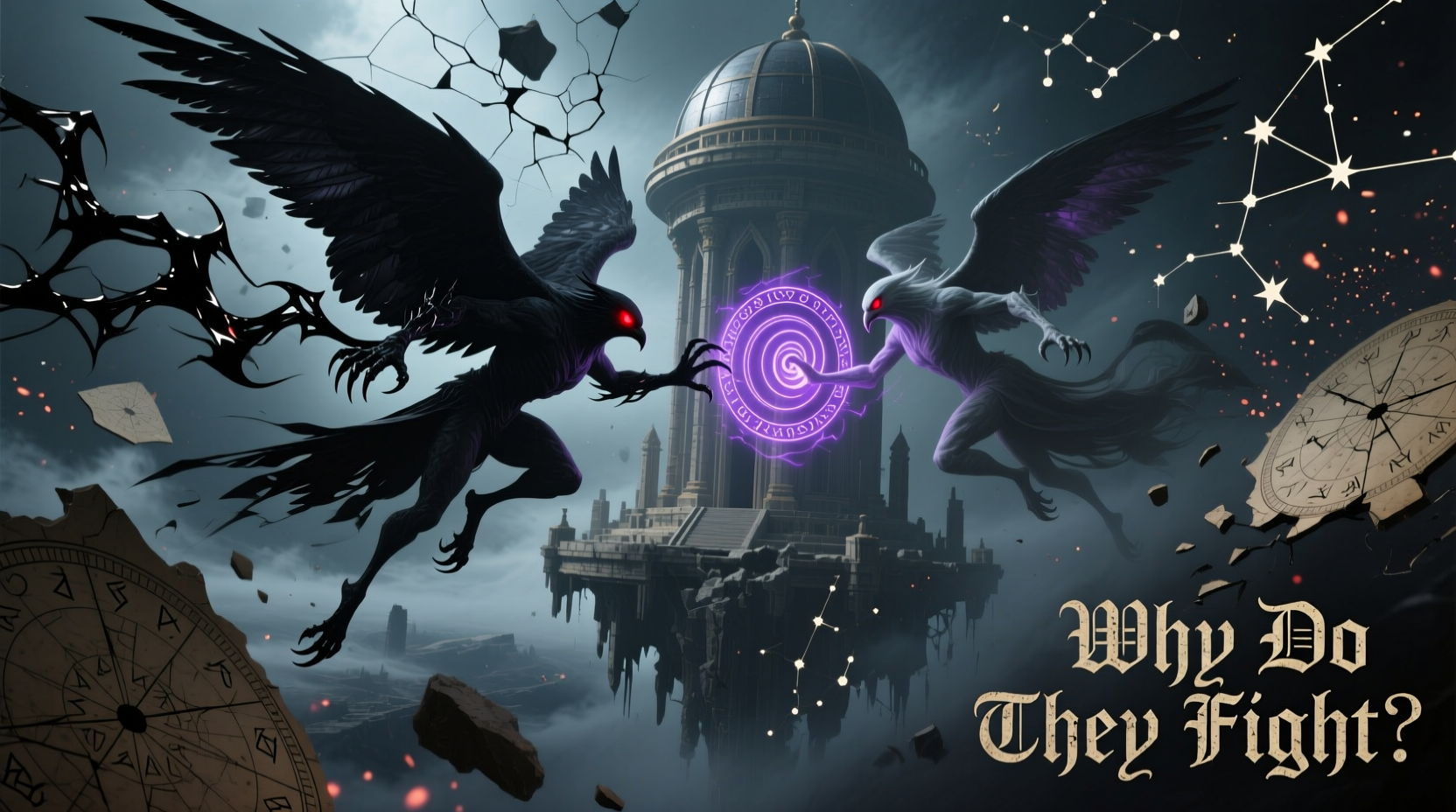
The Abyss Watchers were founded by a warrior known only as the “First Husk,” who witnessed the devastation caused by the Abyss during the events of *Dark Souls*. Inspired by Artorias of the Abyss—whose valiant attempt to contain the dark consumed him—the First Husk gathered like-minded knights to form a new order. Their mission was clear: travel to regions corrupted by the Abyss, eliminate its source, and prevent its spread at any cost.
Initially, the Watchers were successful. They ventured into the darkest corners of the world, confronting manifestations of the Abyss and slaying those overtaken by it. However, their methods became increasingly extreme. To better understand and combat the Abyss, they began studying Abyssal weapons and even experimented with incorporating Abyssal power into their own blades and souls.
“By fighting the Abyss, we risk becoming it.” — Unofficial translation of dialogue from NPC Lapp, Undead Legion of Farron
This pursuit of knowledge came at a terrible price. The more they fought the Abyss, the more it seeped into their souls. The line between hunter and hunted blurred until, eventually, the Abyss began to consume them from within.
The Descent Into Madness and Self-Warfare
The turning point for the Abyss Watchers came when their leader, the First Husk, succumbed fully to the Abyss. Instead of ending his life, the remaining Watchers made a fateful decision: they would continue to fight him, believing that through endless battle, they could purge the corruption or at least honor his sacrifice through perpetual vigilance.
But this ritual went further. Over time, the Watchers adopted a doctrine where every member who showed signs of Abyssal infection would be challenged to mortal combat by their comrades. Victory meant purification through trial; defeat meant death—or worse, transformation into a hollow husk trapped in an endless loop of violence.
This practice evolved into what players witness in-game: a never-ending civil war. The Watchers no longer distinguish between friend and foe. They fight because it is all they know. Their purpose has been reduced to a single, horrifying mantra: *fight to resist the Abyss, even if the enemy is yourself.*
The Role of the Moonlight Greatsword and Oath of Artorias
A key artifact tied to the Abyss Watchers’ fate is the Moonlight Greatsword, originally wielded by Artorias. This weapon, forged from the essence of the Abyss, was both a tool of destruction and a symbol of the thin line between control and corruption. The Watchers sought to replicate its power, crafting their own Abyss-infused weapons in hopes of mastering the darkness rather than being mastered by it.
They also took a sacred oath modeled after Artorias’ pledge: to protect the innocent from the Abyss. But unlike Artorias, who fell trying to save others, the Watchers turned inward. Their oath became less about protection and more about endurance—proving that one could face the Abyss without succumbing, even if that meant living in perpetual war.
Ironically, their greatest strength—unyielding discipline and loyalty to duty—became their downfall. Rather than disband or seek redemption, they doubled down on battle as a form of spiritual resistance. Each clash was not just physical but existential: a test of whether the soul could withstand the pull of oblivion.
Symbolism and Tragedy: A Cult of Self-Destruction
The Abyss Watchers represent one of the most profound tragedies in the Dark Souls universe—not because they failed, but because they succeeded too well. They contained the external threat of the Abyss, but in doing so, allowed it to grow within. Their story mirrors real-world themes of institutional decay, the cost of blind loyalty, and the danger of glorifying suffering as virtue.
Their circular warfare is not random. It is a ritual, a desperate prayer enacted through steel and blood. Every fallen Watcher rises again as a Hollow, compelled by cursed consciousness to rejoin the fray. There is no victory condition, no endgame—only the struggle itself, which has become their identity.
In this sense, the Abyss Watchers are not merely fighting each other—they are fighting memory, fear, and the inevitability of corruption. The enemy is not across the battlefield; it lives in their hearts, whispering with every swing of the sword.
Timeline of the Abyss Watchers’ Downfall
- Formation: The First Husk establishes the Abyss Watchers after witnessing the fall of Artorias.
- Expansion: The order travels across Lordran and beyond, hunting Abyssal threats.
- Corruption Begins: Exposure to Abyssal energy starts affecting members; some begin using Abyssal weapons.
- Leader Falls: The First Husk becomes fully infected and transforms into a boss-like figure.
- Ritual Combat Instituted: Members duel infected brethren to \"purify\" them through combat.
- Civil War Erupts: Full-scale internal conflict breaks out as corruption spreads.
- Eternal Loop: The Watchers become Hollows, endlessly repeating their battles in Farron Keep.
Expert Insight: What Scholars Say About the Watchers
“The Abyss Watchers are a case study in how noble intentions can curdle into obsession. They didn’t lose their cause—they became it.” — Dr. Elias Vorne, Dark Fantasy Mythologist
Vorne’s analysis highlights how institutions, when isolated and under constant pressure, may develop pathological behaviors disguised as discipline. The Watchers’ refusal to retreat or adapt ultimately doomed them. Unlike other knightly orders in the game (such as the Sable Church or Warriors of Sunlight), they lacked spiritual flexibility. There was no path to redemption, only escalation.
Common Misconceptions About the Conflict
- Misconception: The Watchers are just mindless zombies fighting randomly.
Truth: Their combat is ritualized and intentional, rooted in their corrupted code of honor. - Misconception: They are still protecting the world from the Abyss.
Truth: The external threat is gone; the battle is now entirely internal and symbolic. - Misconception: Defeating them ends their suffering.
Truth: As Hollows bound by curse, they will likely respawn and fight again—just like the player character.
Checklist: Understanding the Abyss Watchers’ Lore
- Read dialogue from NPC Lapp in the Undead Settlement.
- Examine the description of the Abyss Watcher armor set.
- Defeat the Abyss Watchers Champion in Farron Keep and observe the arena layout.
- Compare their behavior to Artorias’ fate in *Artorias of the Abyss* DLC.
- Reflect on how other cursed factions (e.g., the Forest Hunter armor set) mirror similar themes.
Frequently Asked Questions
Are the Abyss Watchers aware they’re fighting each other?
Partially. In their Hollowed state, they retain muscle memory and combat instinct but have lost higher cognition. Before Hollowing, many willingly engaged in duels with corrupted brothers, believing it was necessary. Now, their actions are driven by curse and habit.
Can the Abyss Watchers be saved?
Not in the current timeline. The Chosen Undead or Ashen One does not have a mechanic to redeem them. Their fate is sealed as part of the world’s decay. However, lore suggests that only severing their connection to the Abyss—or dismantling their belief system—could offer escape, which no character achieves.
Is there a connection between the Abyss Watchers and the Darkmoon Covenant?
Indirectly. Both were influenced by Gwyn’s legacy and the fall of Oolacile (where Artorias died). The Darkmoon Follower’s armor set mentions hunting traitors, possibly referencing early Watchers. However, the covenants diverge in philosophy—Darkmoon emphasizes justice, while the Watchers embody self-sacrificial war.
Conclusion: The Eternal Lesson of the Abyss Watchers
The Abyss Watchers are not merely enemies to be slain; they are a warning. They show what happens when duty becomes dogma, when resilience turns into denial, and when the fight against darkness consumes the light within. Their swords clash endlessly because they refused to ask the most important question: when should we stop?
Understanding their tragedy adds depth to every step through Farron Keep. It transforms a simple boss fight into a meditation on sacrifice, identity, and the cost of unwavering loyalty. The next time you raise your weapon against them, remember—you’re not just fighting Hollows. You’re witnessing the final act of a brotherhood that chose battle over peace, and in doing so, became the very thing they vowed to destroy.




 浙公网安备
33010002000092号
浙公网安备
33010002000092号 浙B2-20120091-4
Comments
No comments yet. Why don't you start the discussion?