
In neighborhoods, on vehicles, at public buildings, and even in private homes, national flags appear with increasing frequency. Their presence is often taken for granted—until you pause and ask: Why are there flags everywhere? The answer lies not just in patriotism, but in a complex interplay of history, identity, politics, and emotion. From moments of national unity to expressions of dissent, flag displays serve as powerful visual statements. Understanding their prevalence requires examining when, where, and why people choose to fly them—and what those choices reveal about society.
The Historical Roots of Public Flag Display
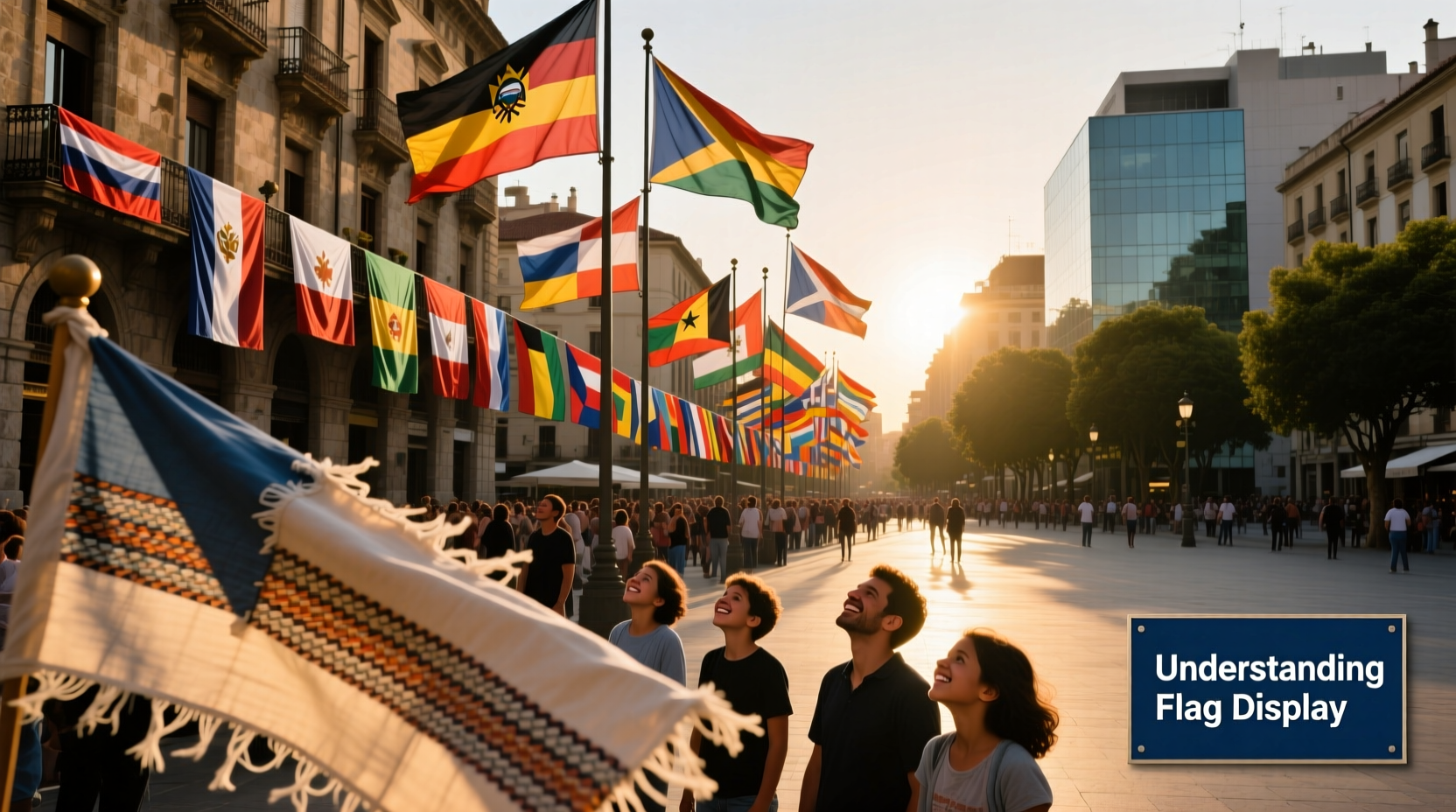
While national symbols have existed for centuries, the widespread public display of flags is a relatively modern phenomenon. In the 18th and 19th centuries, flags were primarily used by militaries and naval forces. It wasn’t until the late 1800s and early 1900s that governments began encouraging civilians to fly national flags during patriotic holidays or times of war.
In the United States, for example, flag displays surged during the Civil War and World War I as tools for fostering national cohesion. Schools began incorporating flag rituals, and civic organizations promoted \"Flag Day\" observances. Similar patterns emerged in Europe and Asia, where newly formed nations used flags to unify diverse populations under a single national identity.
Today, this tradition continues. Governments often designate official days for flag flying—such as Independence Day, Memorial Day, or national remembrance events—encouraging citizens to participate in collective symbolism.
“Flags are not merely pieces of cloth; they are vessels of memory, identity, and shared experience.” — Dr. Lena Patel, Cultural Historian, University of Edinburgh
Social and Emotional Triggers for Flag Use
People don’t fly flags randomly. Specific emotional and social triggers prompt individuals and communities to display them. These include:
- National tragedies: After events like terrorist attacks or natural disasters, flag displays often increase dramatically as a sign of solidarity and resilience.
- Athletic victories: International competitions such as the Olympics or World Cup spark surges in flag-waving, expressing pride in national achievement.
- Elections and political movements: Campaign seasons often see flags used both as symbols of unity and, sometimes, as tools of division.
- Personal milestones: Some families fly flags to honor veterans in the family or celebrate citizenship ceremonies.
The emotional resonance of a flag makes it more than decoration—it becomes a form of nonverbal communication. A flag on a porch may silently say, “We remember,” “We stand together,” or “This is who we are.”
Understanding Context: Respectful Display vs. Symbolic Overuse
While most flag displays are intended respectfully, context matters. A flag flown properly on a pole at half-staff conveys mourning. The same flag draped over a chair or printed on clothing might be seen as casual—or, in some cases, disrespectful.
Cultural norms vary widely. In Japan, for instance, public flag displays are less common and often reserved for formal occasions. In contrast, countries like the United States, Mexico, and India see frequent civilian use of national flags, especially during festivals or national holidays.
There’s also a growing debate about overuse. When flags appear on everything from coffee mugs to underwear, does their symbolic power diminish? Some scholars argue that commercialization dilutes meaning, while others believe accessibility strengthens democratic engagement with national identity.
Do’s and Don’ts of Civilian Flag Display
| Do’s | Don’ts |
|---|---|
| Fly the flag from sunrise to sunset unless illuminated at night | Let the flag touch the ground or floor |
| Display it during patriotic holidays and national observances | Use it as clothing, bedding, or décor that could be walked on |
| Lower to half-staff to honor fallen service members or national tragedy | Deface it with slogans, drawings, or alterations |
| Dispose of worn flags respectfully through ceremonial burning | Fly it upside down unless signaling distress |
Case Study: The Post-9/11 Flag Surge in America
In the weeks following September 11, 2001, American flags appeared on cars, lapels, storefronts, and apartment balconies across the country. Sales of U.S. flags skyrocketed by over 300%, according to industry reports. This was not mandated by law or government directive—it was a grassroots expression of grief, defiance, and unity.
In Binghamton, New York, one neighborhood organized a \"Street of Flags,\" where every home flew a banner. Residents reported feeling safer and more connected. At the same time, concerns arose. Some Muslim-American families felt pressured to display the flag to prove loyalty. Critics noted that the surge, while well-intentioned, occasionally crossed into performative patriotism.
This case illustrates how flag displays can simultaneously foster community and create subtle social pressures. Symbols meant to unite can, in certain contexts, inadvertently exclude.
Step-by-Step Guide to Thoughtful Flag Display
If you're considering displaying a flag, doing so thoughtfully enhances its meaning. Follow these steps:
- Determine your purpose: Are you honoring a veteran? Observing a holiday? Expressing support during a crisis? Clarity of intent guides appropriate use.
- Check local regulations: Some homeowners’ associations or municipalities have rules about flag size, placement, or duration.
- Select the right flag: Ensure it’s the correct design and in good condition. Avoid faded or torn flags.
- Follow display guidelines: Fly it from a proper pole, oriented correctly (union blue in the upper left), and lit if displayed after dark.
- Know when to lower it: Stay informed about national days of mourning when flags should be flown at half-staff.
- Retire it respectfully: When a flag is no longer fit for display, arrange for a dignified retirement, often conducted by veterans’ groups.
FAQ
Is it legal for private citizens to fly the national flag?
In many countries, including the United States, Canada, and the UK, private citizens have the legal right to display the national flag. In the U.S., the Freedom to Display the American Flag Act of 2005 protects this right, even in communities with restrictive covenants.
Can a flag be flown at night?
Yes, but only if it is properly illuminated. According to U.S. flag code, flags displayed after sunset should be lit so the flag remains clearly visible. Many residential poles include spotlight fixtures for this purpose.
What does it mean when a flag is flown upside down?
Historically, flying a flag upside down is a signal of dire distress or extreme danger. While some use it today as a political protest, it remains a serious breach of traditional flag etiquette and can be interpreted as an emergency call.
Conclusion: Flags as Living Symbols
The ubiquity of flags is neither random nor trivial. Each flutter in the wind carries layers of meaning—historical, emotional, and communal. Whether marking a celebration, mourning a loss, or asserting identity, flags remain one of humanity’s most enduring symbols. Their presence reminds us of belonging, sacrifice, and the ongoing story of nations shaped by people.
But with visibility comes responsibility. Displaying a flag is not just a gesture—it’s a statement. Done with knowledge and respect, it honors both the symbol and the values it represents.




 浙公网安备
33010002000092号
浙公网安备
33010002000092号 浙B2-20120091-4
Comments
No comments yet. Why don't you start the discussion?