
If you’ve stepped outside at dusk recently and found yourself surrounded by more flickering lights than usual, you’re not imagining things. Across many regions of North America, Europe, and parts of Asia, people are reporting an unusually high number of fireflies this summer. What was once a rare and magical sight has become a nightly spectacle in backyards, parks, and rural fields. So what’s behind this surge? While no single factor explains every case, a combination of environmental conditions, climate trends, and human behavior is likely contributing to the boom in firefly activity.
Favorable Weather Conditions Boosted Larval Survival
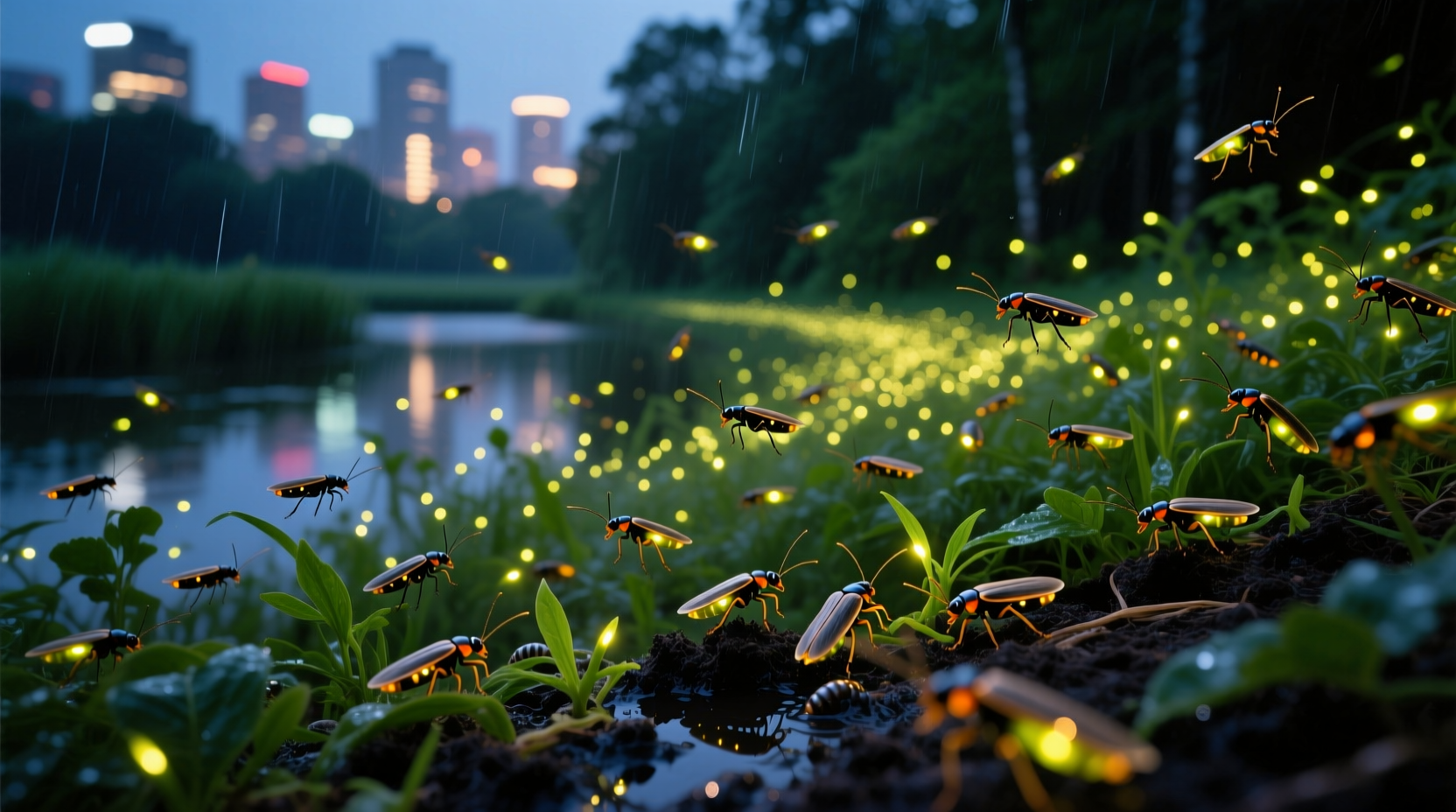
One of the most direct explanations for increased firefly sightings lies in the weather patterns of the past year. Fireflies spend the majority of their life cycle—up to two years—as larvae living underground or beneath leaf litter. These larvae thrive in moist, warm environments where they can hunt small insects, snails, and slugs. The spring and early summer of this year saw above-average rainfall and mild temperatures across much of the eastern and central United States, creating ideal conditions for larval development.
Excess moisture prevents desiccation (drying out), which is a major cause of larval mortality. At the same time, warmer-than-usual soil temperatures accelerated metabolic rates, allowing larvae to pupate earlier and emerge as adults in greater numbers. According to Dr. Sara Lewis, a leading firefly biologist at Tufts University:
“Firefly populations are highly sensitive to soil moisture and temperature. When we have wet springs followed by warm, humid summers, we often see population booms one to two years later—exactly what we're observing now.” — Dr. Sara Lewis, Firefly Researcher, Tufts University
This delayed response means that favorable conditions from last year are only now becoming visible in adult firefly abundance.
Habitat Preservation and Reduced Light Pollution
Another contributing factor may be increasing awareness of light pollution and its effects on nocturnal wildlife. In recent years, communities across the U.S. and Europe have adopted “dark sky” initiatives, reducing unnecessary outdoor lighting and using shielded fixtures that minimize skyglow. Since fireflies rely on bioluminescent signals to find mates, artificial light can severely disrupt their courtship rituals.
Areas that have implemented lighting reforms—such as parts of Vermont, New Mexico, and southern England—are now seeing stronger firefly presence. With less interference from streetlights and porch bulbs, fireflies can communicate more effectively, leading to higher mating success and, ultimately, larger populations.
Changes in Land Use and Vegetation Growth
Land management practices also play a role. In suburban and rural areas, a trend toward less frequent mowing and the preservation of native vegetation has created more suitable habitats for fireflies. Tall grasses, leaf litter, and undisturbed soil provide essential cover for larvae and protection from predators.
Additionally, some homeowners are shifting away from chemical-heavy lawn care. Pesticides and insecticides—especially neonicotinoids—can be lethal to firefly larvae. As organic gardening and pollinator-friendly landscaping gain popularity, fewer toxic chemicals are leaching into the soil, improving survival rates.
A mini case study from a community garden in Asheville, North Carolina illustrates this shift. After switching to organic mulch, eliminating synthetic pesticides, and installing native plant borders, volunteers reported a 70% increase in firefly sightings within two years. One gardener noted, “We used to see maybe five fireflies on a good night. Now, it feels like hundreds.”
Climate Change and Shifting Firefly Ranges
While short-term weather explains part of the surge, long-term climate trends are reshaping where fireflies can live. Warmer average temperatures are expanding the geographic range of certain firefly species northward. Species once confined to the southeastern U.S., such as *Photinus pyralis* (the common eastern firefly), are now regularly spotted in Pennsylvania, New York, and even southern Canada.
This northward migration, combined with longer warm seasons, extends the active period for fireflies. In some areas, mating season now begins earlier in June and lasts into late August—giving them more time to reproduce and increasing the likelihood of overlapping generations.
However, this trend isn’t universally positive. While some regions benefit from temporary population booms, others face long-term risks. Drought-prone areas, such as the southwestern U.S., are seeing declines due to habitat drying. Climate change creates both winners and losers in the firefly world.
Possible Reasons Summarized: A Comparative Table
| Factor | How It Increases Fireflies | Regional Impact |
|---|---|---|
| Wet Spring & Mild Temperatures | Improves larval survival and speeds development | Eastern and Central U.S., Europe |
| Reduced Light Pollution | Enhances mating success through clearer signaling | Dark Sky Communities, Suburban Areas |
| Less Pesticide Use | Lowers larval mortality in soil ecosystems | Gardens, Organic Farms, Urban Green Spaces |
| Warmer Climates | Expands range and lengthens breeding season | Northern U.S., Southern Canada |
| Increased Habitat Complexity | Provides shelter and food sources for larvae | Rural Edges, Backyards with Native Plants |
What You Can Do: A Firefly-Friendly Checklist
- Keep outdoor lights off during peak firefly hours (8–10 PM)
- Let part of your yard grow wild with tall grass and leaf litter
- Switch to organic fertilizers and avoid broad-spectrum insecticides
- Install native plants that support diverse insect life
- Encourage neighbors to reduce lighting and share habitat tips
- Participate in citizen science projects like Firefly Watch to track local populations
Frequently Asked Questions
Are more fireflies a sign of a healthy ecosystem?
Generally, yes. Fireflies are bioindicators—species whose presence, absence, or abundance reflects environmental quality. Their increase suggests lower pesticide use, adequate moisture, and reduced light pollution, all signs of improving ecological health. However, localized booms don’t necessarily mean broader ecosystem recovery.
Will this high population last every year?
Not necessarily. Firefly populations fluctuate annually based on weather, predation, and habitat changes. This year’s surge may be temporary if next year brings drought or colder temperatures. Long-term sustainability depends on continued habitat protection and climate stability.
Do fireflies bite or carry diseases?
No. Fireflies are harmless to humans. They don’t bite, sting, or transmit disease. Some species produce defensive chemicals that make them distasteful to predators, but these pose no risk to people or pets.
Conclusion: A Fleeting Wonder Worth Protecting
The abundance of fireflies this year is more than just a nostalgic delight—it’s a reminder of nature’s responsiveness to subtle changes in our environment. Whether driven by kinder weather, smarter land use, or growing ecological awareness, this surge offers a rare opportunity to reconnect with one of summer’s most enchanting phenomena.
But fireflies remain vulnerable. Habitat loss, climate extremes, and light pollution continue to threaten their long-term survival. The magic of a glowing backyard won’t last without intentional stewardship.




 浙公网安备
33010002000092号
浙公网安备
33010002000092号 浙B2-20120091-4
Comments
No comments yet. Why don't you start the discussion?