
If you've noticed more wasps buzzing around your garden, patio, or even indoors this season, you're not imagining it. Across many regions, people are reporting a noticeable spike in wasp activity. What once might have been an occasional nuisance has turned into a persistent presence, with nests appearing earlier and in greater numbers. This surge isn’t random—it’s the result of a combination of environmental, climatic, and behavioral factors that have created ideal conditions for wasp colonies to thrive.
Understanding why wasp populations are increasing is essential not only for comfort but also for safety. Wasps can be aggressive when threatened, and multiple stings pose serious health risks, especially for those with allergies. By examining the root causes behind this uptick, we can make informed decisions about prevention, coexistence, and control.
Climate Conditions Favoring Wasp Survival
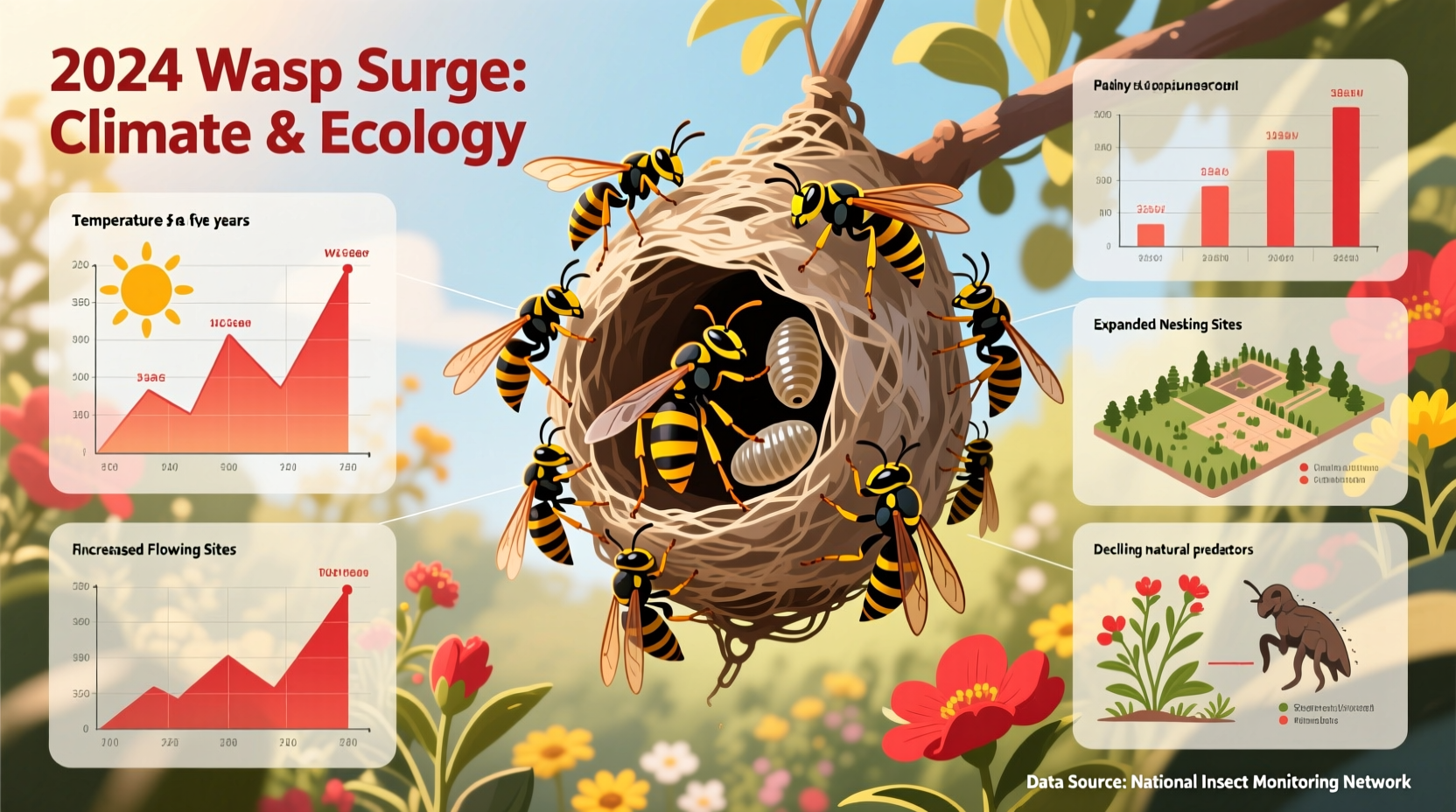
One of the most significant contributors to the rise in wasp numbers is changing weather patterns. Wasps are highly sensitive to temperature and moisture levels, both of which influence queen survival over winter and colony development in spring and summer.
In recent years, milder winters have allowed more fertilized queen wasps to survive hibernation. Normally, cold temperatures kill off a large portion of overwintering queens. But with warmer autumns extending into early winter and fewer prolonged freezing spells, survival rates have increased dramatically. These surviving queens emerge earlier in spring, establish nests sooner, and begin laying eggs well ahead of schedule.
Additionally, wet springs followed by warm, dry summers create perfect breeding conditions. Moisture supports insect prey populations—such as aphids and caterpillars—that worker wasps feed on while raising larvae. Once summer arrives, dry weather encourages wasps to seek out sugary human foods and drinks, making them more visible—and bothersome—at outdoor gatherings.
Food Availability and Urban Environments
Human environments unintentionally provide abundant resources for wasps. Urban and suburban areas offer sheltered nesting sites—eaves, attics, sheds, and wall cavities—alongside plentiful food sources. Open trash bins, compost piles, fruit trees, pet food left outdoors, and uncovered picnic items all attract foraging wasps.
The proliferation of gardens and green spaces in cities has also boosted natural prey populations. Aphids, in particular, flourish on ornamental plants and vegetables, providing protein-rich meals for developing wasp larvae. As colonies grow larger due to ample food, worker wasps expand their foraging range, increasing encounters with people.
A 2023 urban ecology study in the UK found that neighborhoods with higher garden density reported up to 40% more wasp sightings than commercial zones. The blend of floral diversity, accessible water sources, and structural hiding spots makes residential areas prime real estate for wasp colonization.
Nesting Behavior and Colony Growth Cycles
To understand the population surge, it helps to know how wasp colonies develop. Each spring, a single queen emerges from hibernation and begins building a small paper nest. She lays eggs and raises the first generation of sterile female workers entirely on her own. Once these workers mature, they take over nest expansion, foraging, and brood care, allowing the queen to focus solely on reproduction.
This division of labor enables exponential growth. A typical colony can reach 5,000–10,000 individuals by late summer in temperate climates. With more queens surviving winter, more colonies are initiated earlier, leading to larger peak populations. Some species, like the German yellowjacket (*Vespula germanica*), are particularly adaptable to human environments and reproduce rapidly under favorable conditions.
By late summer, colonies shift from rearing larvae to producing new reproductive males and queens. At this stage, worker wasps no longer need protein and instead seek carbohydrates—leading them to invade soda cans, fruit bowls, and garbage. Their increased aggression during this phase contributes to the perception of “more” wasps, even if actual numbers plateau.
“The earlier a queen starts her nest, the larger the colony becomes by August. Mild winters mean earlier starts and bigger nests.” — Dr. Alan Prescott, Entomologist, University of Exeter
Ecological Imbalance and Reduced Predation
Natural predators play a crucial role in regulating wasp populations. Birds such as starlings and magpies, along with spiders, beetles, and even other wasp species, help keep numbers in check. However, habitat loss, pesticide use, and declining biodiversity have weakened these natural controls.
For example, widespread neonicotinoid use has reduced insect-eating bird populations in agricultural and suburban zones. Fewer birds mean fewer nests destroyed and fewer adult wasps consumed. Similarly, the decline in spider abundance—due to clean landscaping practices and chemical treatments—removes another layer of predation.
In balanced ecosystems, wasps are kept within sustainable limits. But in disturbed or managed landscapes, this equilibrium breaks down, allowing wasp colonies to grow unchecked.
Practical Steps to Reduce Wasp Presence
While you can’t control the weather or broader ecological shifts, you can reduce the appeal of your property to wasps. Proactive management minimizes risks and prevents nests from becoming established near living spaces.
Wasp Prevention Checklist
- Seal gaps in eaves, window frames, and siding to block nest entry points
- Keep trash cans tightly covered and away from seating areas
- Empty recycling bins regularly—sugary residues attract foragers
- Avoid wearing sweet-smelling perfumes or lotions outdoors
- Use mesh covers on outdoor dining tables during meals
- Inspect sheds, garages, and decks weekly for early signs of nesting
- Remove fallen fruit from trees promptly
Do’s and Don’ts of Wasp Management
| Do | Don't |
|---|---|
| Inspect your property monthly from March onward | Swat at wasps—this triggers defensive behavior |
| Treat small nests at dusk when wasps are less active | Use pressurized sprays near large nests without protection |
| Consult a pest control professional for nests in walls or attics | Ignore nests near children’s play areas or entrances |
| Wear protective clothing if removing a nest yourself | Delay action—small nests become unmanageable in weeks |
Real-World Scenario: A Suburban Home Responds
In Surrey, UK, homeowner Maria Thompson noticed an unusual number of wasps hovering near her back porch in early June. Instead of waiting, she conducted a perimeter inspection and discovered a golf ball-sized nest forming under a deck support. Acting quickly, she applied a freeze-based aerosol treatment at night, following safety instructions carefully. Within two days, activity ceased.
She then sealed cracks in her deck foundation and began covering her outdoor trash bin. By taking early action and modifying attractants, Maria avoided a major infestation later in the season. Her experience underscores the importance of vigilance and timely intervention.
Frequently Asked Questions
Are wasps beneficial, despite being a nuisance?
Yes. Wasps are natural pest controllers, preying on insects like aphids, flies, and caterpillars that damage crops and gardens. A single colony can eliminate thousands of pests per season. While they can be aggressive, their ecological role is valuable.
Can I relocate a wasp nest instead of destroying it?
Relocation is rarely feasible and potentially dangerous. Unlike bees, wasps do not produce honey or wax that justifies careful transfer. Most experts recommend safe removal or professional extermination, especially near homes.
Will this high wasp trend continue in future years?
If current climate patterns persist—mild winters, erratic springs, and extended warm seasons—yes. Long-term data suggests a gradual upward trend in social wasp abundance in temperate regions. Urban planning and sustainable gardening practices may help mitigate future spikes.
Conclusion: Stay Informed, Stay Protected
The increase in wasp numbers this year is not a fluke—it's a reflection of broader environmental changes that favor their survival and reproduction. From warmer winters to abundant food sources and reduced predation, multiple forces are aligning to boost their populations.
While we can't reverse climate trends overnight, we can take practical steps to minimize risks and maintain peaceful coexistence. Early detection, smart landscaping, and responsible waste management go a long way in reducing human-wasp conflict.




 浙公网安备
33010002000092号
浙公网安备
33010002000092号 浙B2-20120091-4
Comments
No comments yet. Why don't you start the discussion?