
The term \"Buffalo wings\" evokes images of crispy fried chicken, drenched in tangy hot sauce and served with cool blue cheese dressing. But why are they called *Buffalo* wings? The answer lies not in the animal, but in a city: Buffalo, New York. This iconic American appetizer didn’t emerge from barbecue pits or deep-fried traditions across the South, but from a small family-run restaurant on Main Street in Buffalo during the summer of 1964. What began as a last-minute menu improvisation has since become a culinary phenomenon, influencing bar menus, sports culture, and even national holidays like Super Bowl Sunday.
The story is more than folklore—it’s a blend of regional pride, culinary innovation, and urban legend that has stood the test of time. To understand why they’re called Buffalo wings, we must trace their roots to Anchor Bar, a modest establishment run by Teressa Bellissimo, whose quick thinking transformed an ordinary night into a food revolution.
The Night That Changed American Appetizers
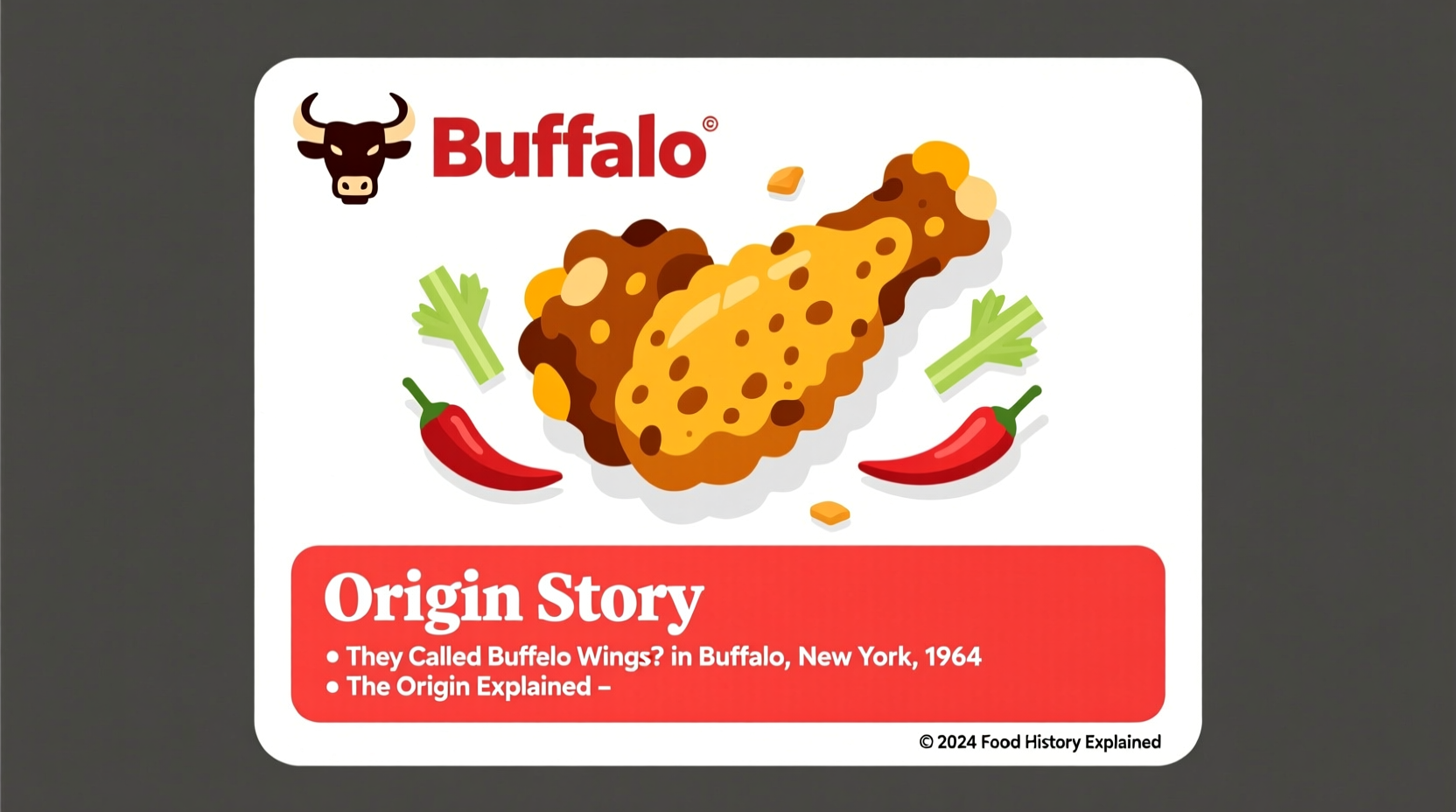
On a quiet Wednesday evening in June 1964, Dominic Bellissimo returned to his parents’ restaurant, Anchor Bar, after a late shift. Hungry and looking for a bite, he asked his mother, Teressa, to whip up something quick. With limited ingredients on hand—mainly leftover chicken parts typically used for stock—she decided to fry up some chicken wing sections, which were traditionally considered waste or only suitable for soups.
Instead of serving them plain, she tossed the fried wings in a mixture of cayenne pepper-based hot sauce and melted butter. She added celery sticks and blue cheese dressing on the side to cut the heat. The result was unexpectedly addictive. Dominic and his friends devoured them, and word spread quickly through the neighborhood.
Within weeks, “Mama Teressa’s Chicken Wings” became a featured item on the menu. Customers began asking specifically for the “hot wings” made at the Anchor Bar in Buffalo. Over time, locals started calling them “Buffalo wings,” cementing both the dish and the city’s name in American gastronomy.
Debunking Common Myths About Their Origin
Over the decades, several myths have emerged about the creation of Buffalo wings. Some claim they originated in African-American soul food kitchens, while others suggest they were inspired by Cajun cooking. While spicy fried chicken exists in many cultures, the specific combination of un-breaded fried wings, Frank’s RedHot sauce (a staple since day one), butter, celery, and blue cheese is uniquely tied to Teressa Bellissimo’s recipe.
Another myth suggests that the wings were invented during a surplus of chicken wings caused by a poultry industry shift. In reality, chicken wings were simply underutilized—not overproduced. It wasn’t until the popularity of Buffalo wings took off in the 1980s that demand for wings skyrocketed, eventually reshaping how chickens were processed and valued.
“Teressa didn’t invent frying chicken, but she reinvented what we thought we could do with its least glamorous part.” — John T. Edge, Director of the Southern Foodways Alliance
How Buffalo Wings Went National (and Global)
For years, Buffalo wings remained a regional specialty, known mostly to travelers passing through western New York. But their rise coincided with key cultural shifts in American dining. As casual dining and sports bars expanded in the 1970s and 1980s, restaurants sought shareable, flavorful foods that paired well with beer. Buffalo wings fit perfectly.
Frank’s RedHot, the brand of cayenne pepper sauce used originally at Anchor Bar, capitalized on this trend by promoting recipes using their product. By the mid-1980s, chains like Hooters and Buffalo Wild Wings brought the concept nationwide, often attributing inspiration directly to the original dish.
Internationally, variations appeared—from mild versions in Japan to curry-infused sauces in the UK. Yet wherever they’re served, the name “Buffalo wings” persists, acting as a geographical trademark much like Philly cheesesteaks or Chicago deep-dish pizza.
Timeline of Key Moments in Buffalo Wing History
- 1964: Teressa Bellissimo serves the first batch at Anchor Bar in Buffalo, NY.
- 1970s: Local bars adopt the dish; Frank’s RedHot begins marketing it nationally.
- 1980: Hooters opens, featuring wings prominently on its menu.
- 1988: Buffalo Wild Wings founded, expanding the model into a national chain.
- 2001: The State of New York officially designates Buffalo-style chicken wings as the state’s official snack food.
- 2019: Google honors the 55th anniversary of Buffalo wings with a Doodle.
What Makes a True Buffalo Wing?
As imitations spread, so did confusion about what qualifies as a genuine Buffalo wing. According to purists and food historians, certain criteria must be met:
- Must use whole chicken wing split into three parts: drumette, flat, and tip (the latter often removed or used for stock).
- No breading or batter—wings are seasoned, then deep-fried until golden and crisp.
- Tossed in a sauce made of cayenne pepper hot sauce (traditionally Frank’s) and unsalted butter in a 2:1 ratio.
- Served with raw celery sticks and blue cheese dressing (ranch is acceptable but secondary).
| Element | Authentic Practice | Common Mistake |
|---|---|---|
| Breading | None – skin-on, unbreaded | Crispy flour or cornstarch coating |
| Sauce Base | Frank’s RedHot + butter | Barbecue or sweet chili sauce |
| Serving Style | Hot, sauced wings with celery & blue cheese | Served dry or with fries only |
| Wing Cut | Whole wing separated into flats and drumettes | Pre-ground nuggets labeled “wings” |
Mini Case Study: The Wing Boom at Super Bowl Parties
Consider Sarah Thompson, a host in Columbus, Ohio, who prepares game-day spreads for her local football league every year. A decade ago, her menu centered around nachos and sliders. But after attending a tailgate in Buffalo during a college visit, she tried authentic wings for the first time. Inspired, she revamped her Super Bowl party menu entirely around wings—offering classic Buffalo, garlic parmesan, and honey mustard varieties.
Last year, she served over 120 pounds of wings. “People don’t just eat them,” she says. “They talk about them. They debate the heat levels. It’s become part of the tradition.” Her experience mirrors a national pattern: according to the National Chicken Council, over 1.4 billion chicken wings are consumed in the U.S. during Super Bowl weekend alone—a testament to the enduring appeal of a dish born from necessity in a small Buffalo kitchen.
Frequently Asked Questions
Are Buffalo wings actually from Buffalo, New York?
Yes. Despite various claims, historical records, media coverage, and statements from the Bellissimo family confirm that Buffalo wings were created at the Anchor Bar in Buffalo, NY, in 1964.
Do you have to use Frank’s RedHot sauce?
While substitutions exist, traditional Buffalo wings rely on Frank’s RedHot for their signature tangy, vinegary heat. Other brands may alter the flavor profile significantly. For authenticity, Frank’s is recommended.
Can Buffalo wings be baked or grilled instead of fried?
Yes, for home cooks seeking healthier options, baking or air-frying can produce decent results. However, frying delivers the crispiest texture needed to hold the sauce without becoming soggy. Grilled wings often char too quickly and lack the right mouthfeel.
Final Thoughts: More Than Just a Snack
Beyond their bold flavor, Buffalo wings represent American ingenuity—turning overlooked scraps into a beloved staple. They reflect how regional dishes, when rooted in authenticity and passion, can transcend geography and become cultural icons.
The name “Buffalo wings” isn’t arbitrary branding; it’s a tribute to place, people, and moment. Every time someone orders a plate of hot wings at a bar thousands of miles from New York, they’re participating in a legacy started by a mother cooking for her son on a quiet night in 1964.




 浙公网安备
33010002000092号
浙公网安备
33010002000092号 浙B2-20120091-4
Comments
No comments yet. Why don't you start the discussion?