
Tigers, once widespread across Asia, now teeter on the brink of extinction. With fewer than 5,000 individuals remaining in the wild, these apex predators face relentless threats from human activity and environmental change. Once thriving in forests, grasslands, and mangroves from Turkey to Indonesia, tigers now occupy less than 7% of their historical range. Their decline is not just a loss of biodiversity—it signals deeper ecological imbalances. Understanding why tigers are endangered and what is being done to save them is critical for both wildlife preservation and ecosystem stability.
Habitat Loss and Fragmentation
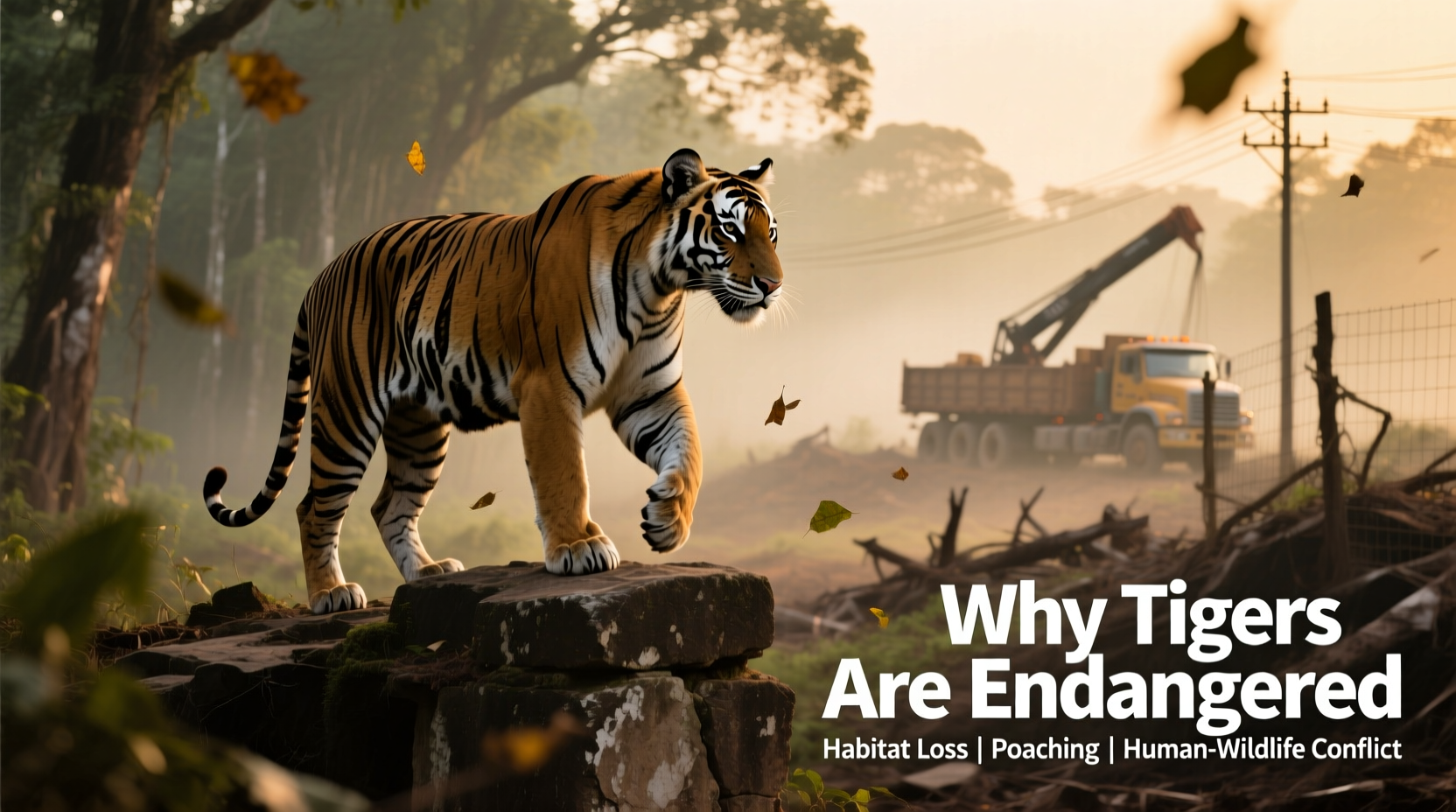
The single largest threat to tiger survival is habitat destruction. As human populations expand, forests are cleared for agriculture, logging, mining, and infrastructure development. Roads, railways, and settlements carve up once-continuous landscapes, isolating tiger populations into small, disconnected pockets. This fragmentation limits genetic diversity, reduces prey availability, and increases human-wildlife conflict.
In India, Sumatra, and Southeast Asia, rapid deforestation has shrunk tiger habitats dramatically. For example, Sumatran tigers now survive only in isolated forest fragments amid palm oil plantations. Without connected corridors, tigers cannot migrate, find mates, or establish new territories—essential behaviors for long-term survival.
Poaching and Illegal Wildlife Trade
Poaching remains one of the most immediate dangers to wild tigers. Despite international bans, a lucrative black market thrives on tiger parts—bones, skins, claws, and teeth—used in traditional medicine, luxury décor, and as status symbols. Countries like China and Vietnam remain key consumers, though demand persists across several Asian markets.
A single tiger can fetch tens of thousands of dollars on the black market. Poachers use snares, traps, and firearms, often targeting not only adult tigers but also cubs for the illegal pet trade. Even in protected areas, enforcement is inconsistent, and underfunded rangers struggle to patrol vast wildernesses.
“Every part of a poached tiger has a price tag. Until demand drops and penalties rise, tigers will remain targets.” — Dr. Alan Rabinowitz, Conservation Biologist and Former CEO of Panthera
Decline in Prey Base
Tigers need healthy populations of deer, wild boar, and other ungulates to survive. However, unregulated hunting of these species—known as “bushmeat” hunting—has decimated prey numbers in many regions. In some parts of Indochina, prey density is so low that even if tigers were reintroduced, they could not sustain themselves.
This phenomenon, called \"empty forest syndrome,\" describes ecosystems that look intact but lack the animal life necessary to support apex predators. Without sufficient food, tigers grow weaker, reproduce less, and may venture into villages in search of livestock—increasing the risk of retaliation killings.
Human-Wildlife Conflict
As natural habitats shrink, tigers increasingly come into contact with humans. When tigers prey on cattle or approach villages, local communities may retaliate by killing them. These conflicts are especially common in regions like Nepal, Bangladesh’s Sundarbans, and parts of Russia’s Far East.
While such incidents are relatively rare, they generate fear and hostility toward tigers. Without community engagement, compensation programs, and non-lethal deterrents, coexistence becomes difficult. Conservationists emphasize that protecting tigers also means supporting people who live alongside them.
Climate Change and Environmental Shifts
Climate change poses an emerging threat, particularly to unique subspecies like the Bengal tiger in the Sundarbans mangrove forest—the world’s largest delta. Rising sea levels and increased salinity are eroding this fragile ecosystem, reducing suitable habitat and fresh water sources.
Studies project that if current trends continue, more than half of the Sundarbans could become uninhabitable for tigers by 2070. Extreme weather events, shifting rainfall patterns, and prolonged droughts further stress already vulnerable populations.
Top Five Threats to Tigers at a Glance
| Threat | Description | Regions Most Affected |
|---|---|---|
| Habitat Loss | Deforestation and land conversion for agriculture and infrastructure | India, Indonesia, Thailand, Myanmar |
| Poaching | Illegal hunting for skins, bones, and body parts | Across all tiger ranges, especially Southeast Asia |
| Prey Depletion | Overhunting of deer, boar, and other prey species | Indochina, Russia, Northeast India |
| Human Conflict | Retaliation killings due to livestock predation | Nepal, Bangladesh, Bhutan, Russia |
| Climate Change | Sea-level rise, salinity, and extreme weather affecting habitats | Sundarbans (India/Bangladesh), Russian Far East |
Global Conservation Efforts That Are Making a Difference
Despite the challenges, coordinated conservation strategies have led to measurable successes. The most significant initiative is **Tx2**, launched in 2010 by the World Wildlife Fund (WWF) and partners, aiming to double the global wild tiger population by 2022. While the full goal wasn’t met, several countries—including Nepal, India, and Russia—have seen steady increases.
- Protected Areas and Corridors: Expanding national parks and creating wildlife corridors allows tigers to roam safely between habitats.
- Anti-Poaching Units: Specialized ranger teams equipped with drones, camera traps, and GPS tracking have significantly reduced poaching in key reserves.
- Community-Based Conservation: Programs that provide alternative livelihoods, livestock insurance, and education help reduce human-tiger conflict.
- International Cooperation: CITES (Convention on International Trade in Endangered Species) enforces strict bans on tiger part trade, while cross-border initiatives improve regional coordination.
Mini Case Study: Nepal’s Remarkable Recovery
Nepal stands out as a model for tiger conservation. In 2010, it was home to around 121 tigers. By 2022, that number had nearly doubled to over 350. This success stems from a multi-pronged strategy: increasing anti-poaching patrols, strengthening protected areas, and engaging local communities through eco-tourism and conservation incentives.
In Chitwan National Park, villagers participate in monitoring programs and benefit financially from tourism revenue. When people see tangible benefits from living near tigers, attitudes shift from fear to stewardship. Nepal’s experience proves that with political will, funding, and community involvement, recovery is possible.
Action Checklist: How You Can Help Save Tigers
Conservation isn’t limited to scientists and governments. Individuals can contribute meaningfully. Here’s how:
- Support Reputable Conservation Organizations: Donate to or volunteer with groups like WWF, Panthera, or the Wildlife Conservation Society.
- Choose Sustainable Products: Avoid palm oil, timber, and paper from unsustainable sources that drive deforestation.
- Spread Awareness: Share facts about tiger conservation on social media or in educational settings.
- Avoid Tiger Tourism Exploitation: Steer clear of attractions offering photo ops with captive tigers, which often fuel illegal breeding and abuse.
- Advocate for Policy Change: Urge lawmakers to strengthen wildlife protection laws and fund conservation programs.
Frequently Asked Questions
How many tigers are left in the wild?
As of 2024, experts estimate fewer than 5,000 tigers remain in the wild. The majority are in India, followed by Russia, Nepal, and Bhutan. Nine subspecies existed historically; three are extinct, and the remaining six are classified as endangered or critically endangered.
Can tigers be saved from extinction?
Yes—but only with sustained effort. Tigers breed well in the wild when protected from poaching and habitat loss. Successful recoveries in Nepal and India demonstrate that extinction is not inevitable. Long-term commitment, funding, and global cooperation are essential.
Why are tigers important to ecosystems?
As apex predators, tigers regulate prey populations, preventing overgrazing and maintaining balance in forest and wetland ecosystems. Protecting tigers also conserves entire habitats, benefiting countless other species, including humans who rely on clean water, air, and forest resources.
Conclusion: A Future Where Tigers Thrive
The story of the tiger is a reflection of humanity’s relationship with nature—marked by destruction, but also resilience and hope. While the threats are severe, they are not insurmountable. From anti-poaching units patrolling dense jungles to communities embracing coexistence, real progress is underway.
The survival of tigers depends not on fate, but on choices: the policies we support, the products we buy, and the values we pass on. Every action counts. Whether you’re sharing information, supporting conservation groups, or simply spreading the word, your voice contributes to a louder call for change.




 浙公网安备
33010002000092号
浙公网安备
33010002000092号 浙B2-20120091-4
Comments
No comments yet. Why don't you start the discussion?