
Trace elements—minerals required by the body in minute amounts—are far more influential than their small quantities suggest. Though needed in microgram or milligram doses daily, these nutrients play outsized roles in maintaining physiological balance, supporting enzymatic reactions, and protecting against chronic disease. From iron carrying oxygen through your bloodstream to selenium shielding cells from oxidative stress, trace elements operate behind the scenes in nearly every bodily process. Understanding their importance is not just relevant to nutritionists or medical professionals—it's essential knowledge for anyone seeking sustained energy, strong immunity, and long-term vitality.
The Biological Role of Trace Elements
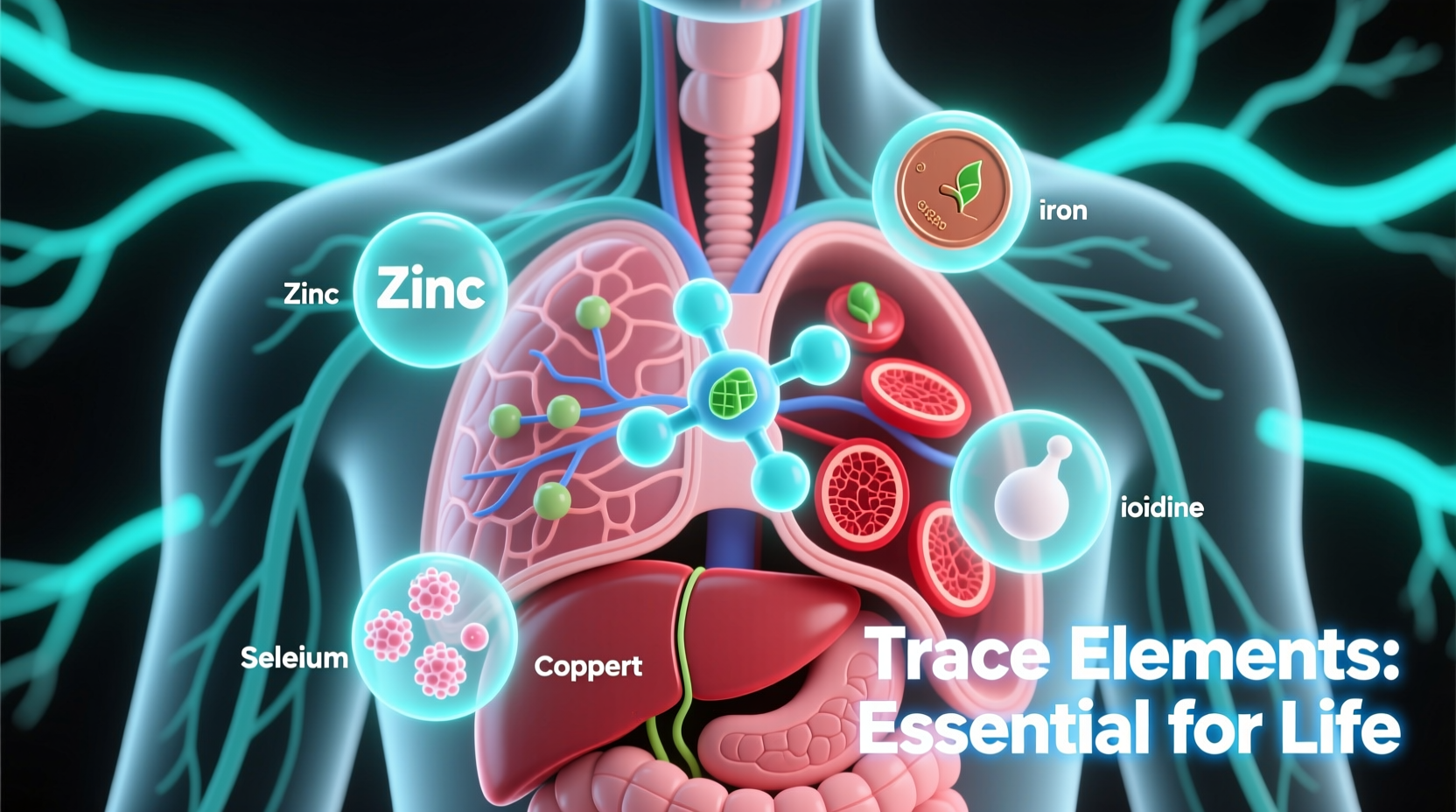
Unlike macronutrients such as carbohydrates, proteins, and fats, trace elements do not provide energy directly. Instead, they serve as cofactors for enzymes—molecules that accelerate biochemical reactions. Without adequate levels of certain trace minerals, critical processes like DNA synthesis, hormone regulation, and nerve signaling slow down or fail entirely.
For example, zinc activates over 300 enzymes involved in digestion, immune response, and wound healing. Copper works alongside iron to form hemoglobin, while manganese supports bone development and antioxidant defenses. Even iodine, though required in just 150 micrograms per day for adults, is indispensable for thyroid hormone production, which governs metabolism and growth.
“Micronutrients like trace elements are the spark plugs of human metabolism—they don’t fuel the engine, but without them, the engine won’t run.” — Dr. Lena Patel, Nutritional Biochemist
Key Trace Elements and Their Functions
There are several essential trace elements recognized by the World Health Organization and the Institute of Medicine. Each has distinct yet interconnected roles in human health. Below is a breakdown of major trace minerals, their primary functions, and dietary sources.
| Trace Element | Primary Functions | Dietary Sources | Recommended Daily Intake (Adults) |
|---|---|---|---|
| Iron | Oxygen transport, energy production, immune function | Red meat, lentils, spinach, fortified cereals | 8–18 mg |
| Zinc | Immune defense, wound healing, taste/smell, DNA synthesis | Oysters, beef, pumpkin seeds, chickpeas | 8–11 mg |
| Selenium | Antioxidant protection, thyroid hormone metabolism | Brazil nuts, seafood, eggs, whole grains | 55 mcg |
| Copper | Iron metabolism, connective tissue formation, nerve function | Nuts, shellfish, organ meats, whole grains | 900 mcg |
| Iodine | Thyroid hormone synthesis, metabolic regulation | Iodized salt, seaweed, fish, dairy | 150 mcg |
| Manganese | Bone formation, amino acid/carbohydrate metabolism, antioxidant defense | Nuts, legumes, tea, whole grains | 1.8–2.3 mg |
| Chromium | Insulin sensitivity, glucose metabolism | Broccoli, barley, oats, meat | 20–35 mcg |
| Molybdenum | Detoxification, sulfur metabolism | Legumes, grains, nuts, liver | 45 mcg |
Health Benefits of Adequate Trace Element Intake
Maintaining optimal levels of trace elements translates into tangible health benefits across multiple systems. These include enhanced immune resilience, improved cognitive performance, stable metabolic function, and reduced risk of degenerative conditions.
- Stronger Immunity: Zinc deficiency is linked to increased susceptibility to infections. Sufficient intake supports T-cell development and cytokine production.
- Neurological Protection: Copper and iron are vital for myelin sheath formation and neurotransmitter synthesis. Deficiencies may contribute to cognitive decline.
- Metabolic Balance: Chromium enhances insulin receptor activity, helping regulate blood sugar—a key factor in preventing type 2 diabetes.
- Antioxidant Defense: Selenium is part of glutathione peroxidase, one of the body’s most powerful antioxidant enzymes.
- Healthy Aging: Adequate manganese and copper support collagen production and joint integrity, reducing risks of osteoporosis and arthritis.
Real-Life Example: Addressing Iron Deficiency in Athletes
Consider Sarah, a 29-year-old endurance runner training for a marathon. Despite a high-calorie diet and consistent workouts, she experienced persistent fatigue, shortness of breath, and poor recovery. Blood tests revealed low ferritin levels—indicating depleted iron stores—even though her hemoglobin was within normal range.
This scenario, known as \"iron-deficient non-anemia,\" is common among female athletes due to increased iron loss through sweat, foot-strike hemolysis, and menstruation. After incorporating iron-rich meals with vitamin C and temporarily supplementing under medical supervision, Sarah reported improved stamina and faster recovery within six weeks.
Her case underscores a crucial point: even subclinical deficiencies in trace elements can impair performance and well-being. Regular monitoring and dietary adjustments are often necessary, especially under conditions of increased demand.
Common Deficiencies and How to Prevent Them
Despite the availability of diverse foods, trace element deficiencies remain widespread globally. Iodine deficiency affects nearly 2 billion people, primarily in regions without iodized salt programs. Zinc deficiency impacts about 17% of the global population, particularly in areas reliant on plant-based diets high in phytates, which inhibit absorption.
Prevention starts with awareness and intentional eating. Here’s a checklist to help ensure adequate intake:
- Eat a varied diet rich in whole grains, legumes, nuts, seeds, lean meats, and seafood.
- Use iodized salt if you don’t consume seaweed or regular dairy/seafood.
- Avoid excessive consumption of processed foods, which are typically low in micronutrients.
- Soak or sprout legumes and grains to reduce phytate content and improve mineral bioavailability.
- Discuss supplementation with a healthcare provider if you're pregnant, vegan, have malabsorption issues, or follow restrictive diets.
Frequently Asked Questions
Can you get enough trace elements from a plant-based diet?
Yes, but it requires careful planning. Plant sources often contain lower bioavailability due to compounds like phytates. Combining foods strategically—such as pairing beans with tomatoes—can boost absorption. Some individuals may benefit from supplementation, particularly for vitamin B12, iron, zinc, and selenium.
Are trace element supplements necessary for most people?
Not typically. For healthy individuals consuming a balanced diet, supplements are unnecessary and may pose risks. However, specific populations—including pregnant women, older adults, and those with gastrointestinal disorders—may require targeted supplementation under professional guidance.
What are signs of trace element toxicity?
Excess intake, especially from supplements, can lead to toxicity. Symptoms vary: too much iron causes nausea and liver damage; excess selenium leads to hair loss and neurological issues; high copper levels may result in abdominal pain and jaundice. Always adhere to recommended dosages unless directed otherwise by a clinician.
Conclusion: Prioritize Trace Elements for Lifelong Wellness
The importance of trace elements cannot be overstated. They are silent architects of health—enabling everything from cellular repair to hormonal harmony. While they’re needed in tiny amounts, their absence creates ripple effects throughout the body. By focusing on nutrient-dense whole foods, understanding personal risk factors, and avoiding both deficiency and excess, you lay the foundation for resilient health.
Start paying attention to what’s on your plate beyond calories and macros. The next time you eat a handful of pumpkin seeds or sprinkle some nutritional yeast on your meal, remember—you’re not just satisfying hunger. You’re fueling intricate biological systems that depend on these microscopic yet mighty minerals.




 浙公网安备
33010002000092号
浙公网安备
33010002000092号 浙B2-20120091-4
Comments
No comments yet. Why don't you start the discussion?