
In an era defined by rapid change, digital connectivity, and shifting cultural norms, traditions often stand as quiet anchors in the flow of time. They may seem simple—family dinners on holidays, annual festivals, or even personal rituals like lighting a candle each morning—but their impact runs deep. Traditions are more than habits; they are vessels of meaning, identity, and continuity. Understanding their enduring value reveals how these practices shape individuals, strengthen communities, and preserve wisdom across generations.
The Role of Traditions in Identity Formation
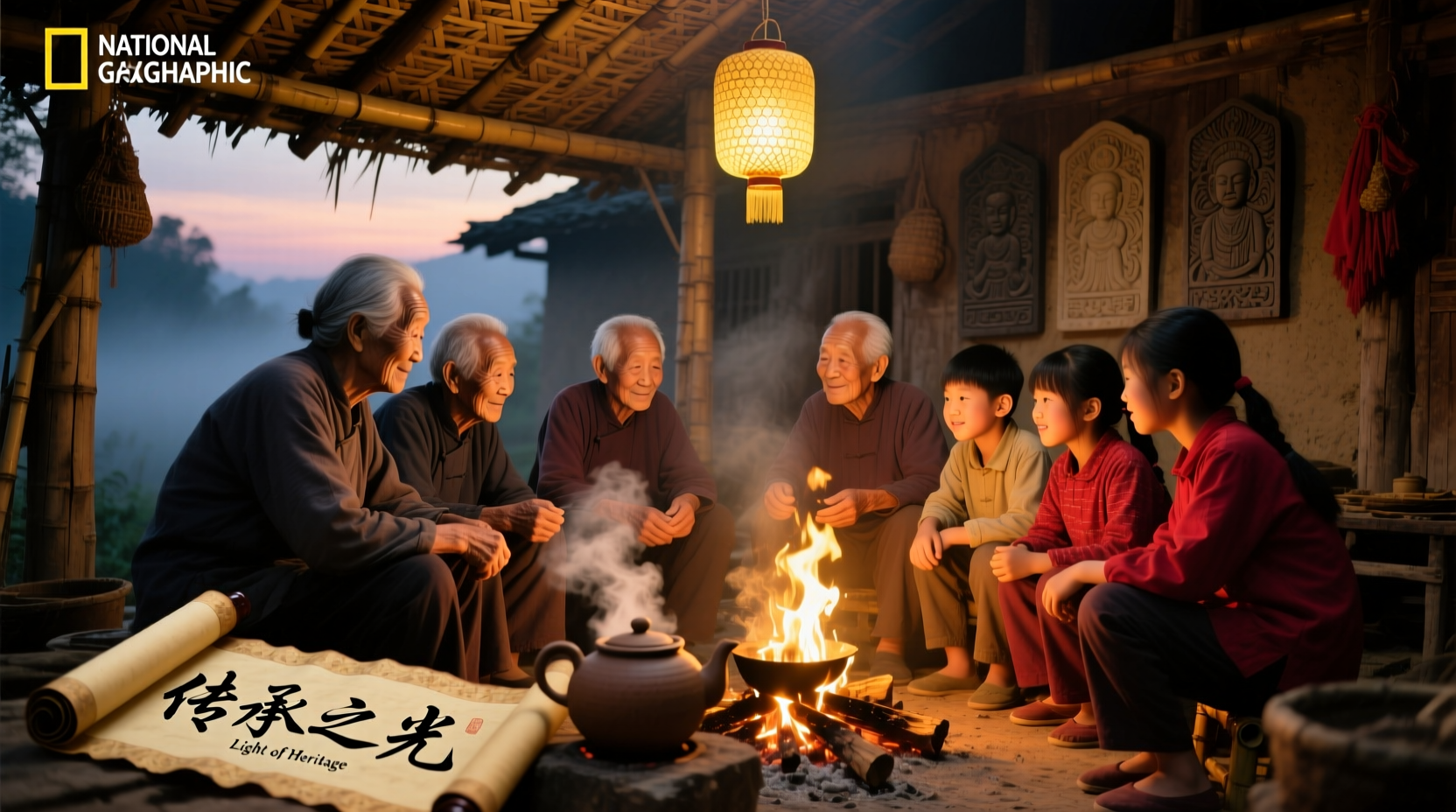
From childhood onward, traditions help form a sense of self. Whether it’s celebrating a religious holiday, speaking a native language at home, or participating in a community rite of passage, these repeated actions embed cultural values into daily life. They answer fundamental questions: Who am I? Where do I come from? What do I believe in?
Psychological research supports this. Dr. Barbara Fiese, a family psychologist, notes that “rituals provide predictability and structure, which are especially crucial during times of stress or transition.” For children, regular family traditions—like Sunday breakfasts or bedtime stories—create emotional security and reinforce belonging.
For adults, maintaining traditions can be an act of reclaiming heritage, especially in multicultural or diasporic contexts. A second-generation immigrant who prepares a traditional dish passed down from grandparents isn’t just cooking—they’re reaffirming a lineage, asserting identity in a world that often pressures assimilation.
Strengthening Social Bonds and Community Resilience
Traditions are inherently relational. They bring people together—not just physically, but emotionally and spiritually. Think of a wedding ceremony, a neighborhood festival, or even a workplace holiday party. These events create shared experiences that foster trust, empathy, and mutual support.
In times of crisis, traditions often become even more vital. After natural disasters or periods of social unrest, communities frequently return to familiar rituals as a way to restore normalcy and hope. For example, after Hurricane Katrina, many New Orleans residents prioritized resuming Mardi Gras celebrations not for spectacle, but as a symbol of resilience and collective endurance.
Moreover, traditions encourage intergenerational exchange. When elders teach youth how to make ancestral recipes or perform ceremonial dances, knowledge is transferred in a way that textbooks cannot replicate. This transmission builds respect, continuity, and a living archive of cultural memory.
“We keep traditions not because we’re stuck in the past, but because they remind us of who we are when everything else changes.” — Dr. Maya Thompson, Cultural Anthropologist
Traditions as Tools for Emotional Well-being
Beyond identity and community, traditions serve a deeply psychological function. They offer rhythm and predictability in an unpredictable world. The annual cycle of holidays, seasonal gatherings, or even weekly family game nights creates a comforting cadence to life.
Studies have shown that families with strong traditions report higher levels of cohesion, lower stress, and greater satisfaction with relationships. Rituals—even small ones—activate the brain’s reward system by combining anticipation, sensory engagement, and emotional significance.
Consider the Japanese tea ceremony, which emphasizes mindfulness, respect, and presence. Though steeped in centuries-old practice, its modern appeal lies in its ability to slow down time and cultivate inner peace. Similarly, lighting a menorah each night of Hanukkah or sharing gratitude before Thanksgiving dinner turns routine into reflection.
Emotional Benefits of Regular Traditions
- Reduces anxiety through predictability
- Enhances feelings of belonging and acceptance
- Promotes mindfulness and present-moment awareness
- Provides comfort during grief or loss
- Strengthens family communication and emotional expression
Adapting Traditions for Modern Life
One common misconception is that traditions must remain unchanged to retain value. In reality, the most enduring traditions evolve. Their core meaning persists, but their expression adapts to new contexts, technologies, and values.
A family might shift from gathering in person to hosting a virtual holiday meal when members live across continents. A company may replace outdated gender-specific rites with inclusive ceremonies that reflect contemporary ethics. These adaptations aren’t betrayals of tradition—they are affirmations of its relevance.
| Traditional Practice | Modern Adaptation | Core Value Preserved |
|---|---|---|
| Handwritten holiday letters | Digital photo newsletters or video messages | Connection across distance |
| In-person coming-of-age ceremonies | Hybrid events with livestreamed elements | Rites of passage and recognition |
| Religious fasting | Mindful eating challenges with ethical focus (e.g., sustainability) | Discipline and reflection |
Mini Case Study: The Johnson Family’s Holiday Evolution
The Johnsons, a multigenerational family in Seattle, once held large in-person Christmas gatherings. When health issues and relocation made this difficult, they feared losing their close-knit bond. Instead of abandoning the tradition, they created a hybrid celebration: a Zoom call with synchronized gift-opening, a shared digital recipe book, and a recorded storytelling session from grandparents. Over time, participation increased—even younger members contributed videos. The essence of togetherness remained intact, proving that flexibility can deepen, not diminish, tradition.
Building Meaningful Traditions: A Step-by-Step Guide
You don’t need centuries of history to start a tradition. Meaningful practices can begin today. Here’s how:
- Identify what matters: Reflect on your values—family, faith, creativity, service—and choose a theme for your tradition.
- Start small: Begin with a simple, repeatable action, such as a monthly nature walk or a weekly gratitude round at dinner.
- Involve others: Invite participation. Traditions grow stronger when co-created.
- Be consistent: Repeat the activity regularly enough to build anticipation and familiarity—at least annually or seasonally.
- Document and reflect: Take notes, photos, or recordings. Review them over time to see how the tradition evolves and impacts your life.
Frequently Asked Questions
Can a tradition be personal, not just cultural or family-based?
Absolutely. Personal traditions—like journaling every morning, visiting a favorite park on birthdays, or planting a tree each spring—are powerful tools for self-reflection and grounding. They help individuals stay aligned with their values and goals.
What if my family has no strong traditions?
That’s not uncommon, especially in blended families or those affected by migration or trauma. The good news is that it’s never too late to begin. Start with one meaningful event or practice and build from there. Many lasting traditions began with a single intentional act.
Are some traditions harmful and should be discontinued?
Yes. While most traditions are positive, some may perpetuate exclusion, outdated beliefs, or unhealthy behaviors. It’s important to critically assess whether a tradition aligns with current values. Letting go of certain practices can be an act of growth, making space for more inclusive and meaningful ones.
Conclusion: Honor the Past, Shape the Future
Traditions are not relics of the past—they are living threads connecting generations, nurturing identity, and fostering resilience. In a world that glorifies novelty and speed, they offer something irreplaceable: depth, continuity, and heart. Whether preserved, adapted, or newly created, traditions give rhythm to our lives and meaning to our moments.
Their true value lies not in rigid repetition, but in the intention behind them. By understanding why traditions matter, we gain the power to honor them thoughtfully and shape them wisely. Start today. Reflect on what you cherish. Share a story. Light a candle. Create a moment that someone, someday, will remember as a tradition.




 浙公网安备
33010002000092号
浙公网安备
33010002000092号 浙B2-20120091-4
Comments
No comments yet. Why don't you start the discussion?