
Translucent phone cases have become a favorite among smartphone owners for their sleek, minimalist look. They showcase the original design of the device while offering protection—seemingly the perfect balance between function and style. But within weeks or months of use, many users notice an unwelcome change: their once-clear case begins to yellow, especially around the edges and corners. This discoloration can make even a brand-new phone look old and neglected. So what causes this transformation, and more importantly, can it be prevented? The answer lies in material science, environmental exposure, and daily habits.
The Science Behind Yellowing: What’s Happening to Your Case?
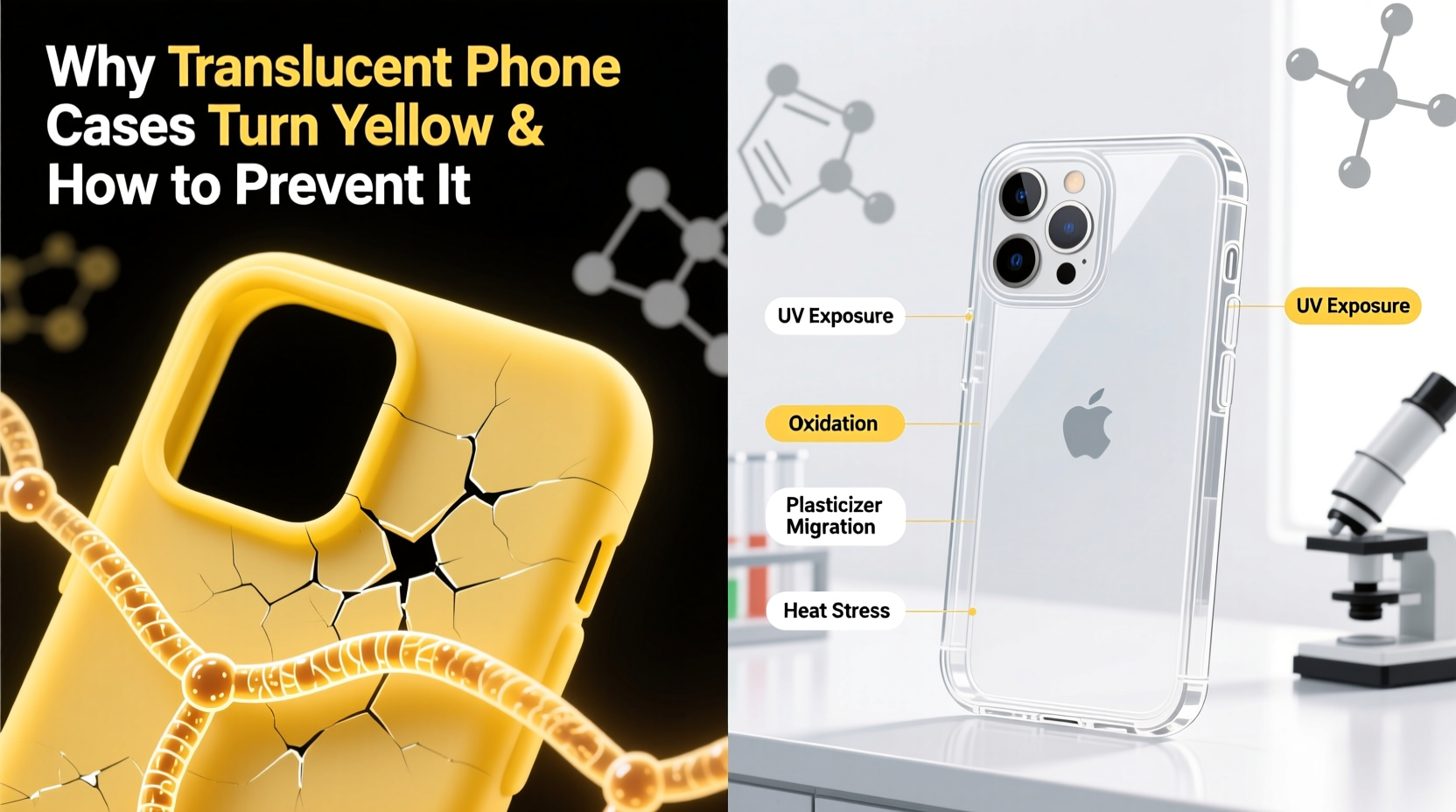
Most translucent phone cases are made from thermoplastic polyurethane (TPU) or silicone, both of which are flexible, durable, and cost-effective. However, these materials are not immune to degradation over time. The yellowing process is primarily due to a chemical reaction known as oxidation, accelerated by several external factors.
TPU, in particular, contains organic compounds that react when exposed to ultraviolet (UV) light, heat, and oxygen. UV radiation from sunlight breaks down the molecular bonds in the plastic, leading to a phenomenon called photodegradation. As these bonds break, the material forms chromophores—molecules that absorb visible light and reflect a yellowish hue. Even indoor lighting, especially fluorescent or LED sources with high blue-light output, contributes to this slow but steady deterioration.
Additionally, TPU is often blended with plasticizers to enhance flexibility. Over time, these additives can migrate to the surface or degrade, further contributing to discoloration. Silicone cases, while generally more resistant to UV damage, can also yellow when exposed to certain chemicals or oils from skin and surfaces.
“Plastics like TPU are inherently unstable under prolonged UV exposure. Without proper stabilizers, yellowing is not a matter of if, but when.” — Dr. Lena Park, Materials Scientist at the Institute for Polymer Research
Key Factors That Accelerate Yellowing
Understanding the triggers behind yellowing allows users to take preventive steps. Several everyday factors play a significant role in speeding up the process:
- Sunlight exposure: Leaving your phone on a car dashboard, near a window, or outdoors increases UV exposure dramatically.
- Body oils and sweat: Frequent handling transfers sebum, lotions, and hand sanitizers to the case, which can react with the plastic.
- Heat: High temperatures, such as those inside a parked car or near radiators, accelerate chemical breakdown.
- Air pollution: Ozone and nitrogen oxides in urban environments can oxidize plastics more quickly.
- Poor-quality materials: Budget cases often skimp on UV stabilizers and anti-yellowing additives to cut costs.
How to Prevent Translucent Cases from Yellowing
While no clear case is completely immune to aging, several strategies can significantly delay or minimize yellowing. Prevention starts with smart choices and consistent care.
Choose High-Quality, Anti-Yellowing Materials
Not all clear cases are created equal. Look for products labeled as “anti-yellowing,” “UV-resistant,” or “premium TPU.” These often include additives like hindered amine light stabilizers (HALS) or UV absorbers that slow down photodegradation. Some manufacturers now use polycarbonate (PC) blends, which are more stable than pure TPU and less prone to discoloration.
Limit Exposure to Sunlight and Heat
Keep your phone out of direct sunlight whenever possible. This includes avoiding placement on car dashboards, windowsills, or outdoor tables during peak daylight hours. If you must leave your phone in a hot environment, consider removing the case temporarily or using a protective pouch.
Clean Your Case Regularly
Dirt, oils, and residues build up over time and can catalyze yellowing. Cleaning your case every 1–2 weeks helps maintain its clarity. Use a soft cloth dampened with mild soapy water or isopropyl alcohol (70% solution). Avoid abrasive cleaners or bleach, which can damage the surface.
Rotate Between Multiple Cases
If you're attached to the look of a clear case, consider owning two or three and rotating them weekly. This reduces continuous exposure and gives each case time to \"rest,\" potentially slowing degradation.
| Prevention Method | Effectiveness | Effort Level |
|---|---|---|
| Using UV-stabilized cases | High | Low |
| Avoiding direct sunlight | Very High | Moderate |
| Regular cleaning | Moderate | Moderate |
| Rotating cases | High | Low |
| Storing in cool, dark places | High | Low |
Step-by-Step Guide to Cleaning a Yellowed Translucent Case
If your case has already started to yellow, all is not lost. Mild discoloration can often be reversed with careful cleaning. Follow this timeline-based method to restore clarity:
- Day 1: Remove the case – Take it off your phone and rinse under lukewarm water to remove loose debris.
- Day 1: Soak in soapy water – Mix a few drops of dish soap with warm water. Submerge the case for 15–20 minutes.
- Day 1: Gently scrub – Use a soft toothbrush or microfiber cloth to clean crevices. Focus on discolored areas without applying excessive pressure.
- Day 2: Hydrogen peroxide soak (optional) – For stubborn yellowing, soak the case in a 3% hydrogen peroxide solution for 1–2 hours in indirect sunlight. The combination of peroxide and UV light acts as a gentle bleaching agent.
- Day 2: Rinse and dry – Thoroughly rinse with clean water and air-dry on a lint-free towel. Do not use heat sources like hairdryers.
- Day 3: Inspect and repeat if needed – If yellowing persists, repeat the hydrogen peroxide step. Avoid doing this more than twice to prevent material weakening.
Real Example: How One User Extended Her Case’s Lifespan
Sarah, a graphic designer from Portland, noticed her clear iPhone case began yellowing after just six weeks. Frustrated, she researched the cause and discovered UV exposure was likely the culprit—she often left her phone near her studio’s large south-facing window. She switched to a case advertised as “anti-yellowing” and began storing her phone face-down when not in use. She also started cleaning it weekly with a diluted alcohol wipe.
After four months, her new case remained nearly crystal clear. “I didn’t realize how much sunlight my desk got,” she said. “Now I treat my phone like a piece of art—protected from light and handled with care.”
Checklist: How to Keep Your Clear Phone Case Looking New
- ✅ Choose a case made with UV-resistant or anti-yellowing materials
- ✅ Avoid leaving your phone in direct sunlight or hot environments
- ✅ Clean the case every 1–2 weeks with mild soap or alcohol
- ✅ Rotate between multiple cases to reduce wear
- ✅ Store your phone in a shaded, cool place when not in use
- ✅ Replace the case every 3–6 months if signs of yellowing appear
- ✅ Avoid contact with oily lotions, perfumes, or cleaning sprays
Frequently Asked Questions
Can I stop a clear case from yellowing completely?
While you cannot stop yellowing indefinitely, you can significantly delay it by choosing high-quality materials, minimizing UV exposure, and maintaining regular cleaning. No plastic is immortal, but good habits can extend a case’s clear life to 6–12 months or more.
Are silicone cases better than TPU for preventing yellowing?
Silicone is generally more chemically stable and less prone to UV degradation than standard TPU. However, low-quality silicone can still yellow due to impurities or lack of stabilizers. Look for medical-grade or platinum-cure silicone for best results.
Does putting my phone in rice help with case yellowing?
No. Rice is sometimes used to absorb moisture from water-damaged phones, but it has no effect on plastic discoloration. In fact, starch from rice could leave residues that worsen buildup on the case.
Conclusion: Clarity Starts with Care
A yellowed phone case doesn’t just look unattractive—it signals ongoing material breakdown that could eventually compromise protection. The good news is that with informed choices and consistent maintenance, you can preserve the pristine look of your translucent case far longer than average. From selecting UV-stabilized materials to adopting simple cleaning routines, small actions yield lasting results.




 浙公网安备
33010002000092号
浙公网安备
33010002000092号 浙B2-20120091-4
Comments
No comments yet. Why don't you start the discussion?