
Transparent phone cases were once the ultimate symbol of minimalist tech style—showcasing sleek device designs while offering protection. But within weeks or months, many users notice a frustrating transformation: their crystal-clear case begins to yellow, often unevenly, making the phone look old and dirty. This isn’t just a cosmetic issue; it reflects material degradation and environmental exposure. Understanding the root causes of this yellowing and knowing how to slow or stop it can help preserve both your phone’s appearance and the integrity of its protective shell.
The Science Behind Yellowing: Why Clear Plastic Turns Yellow
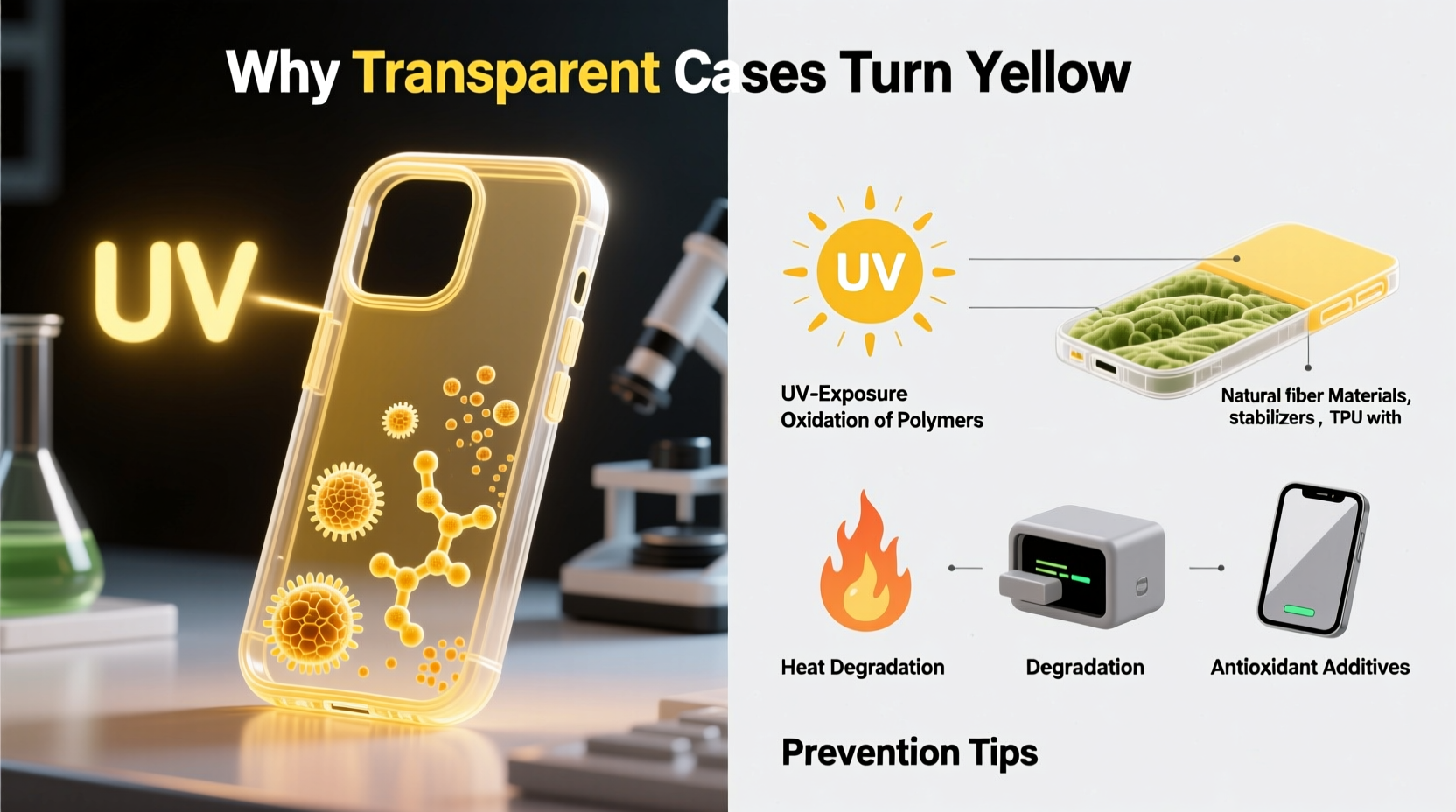
Most transparent phone cases are made from thermoplastic polyurethane (TPU) or silicone, materials chosen for their flexibility, shock absorption, and clarity. While these polymers start out clear, they are inherently susceptible to chemical and physical changes when exposed to certain environmental factors. The primary reason behind yellowing is oxidation—a chemical reaction that occurs when polymer chains in the plastic break down due to external stressors.
UV radiation from sunlight is one of the most aggressive contributors. When ultraviolet light hits the case, it excites molecules in the plastic, leading to the formation of chromophores—compounds that absorb visible light and appear yellow or brown. This process is accelerated by heat, which increases molecular movement and speeds up oxidative reactions.
In addition to UV exposure, plasticizers—chemicals added to keep TPU soft and flexible—can migrate to the surface or degrade over time. As they break down, they leave behind residues that contribute to discoloration. Impurities in lower-grade plastics also play a role; some manufacturers use recycled or substandard materials that contain contaminants prone to browning.
“Plastic yellowing is not inevitable—it's a sign of material fatigue. High-quality TPU with UV stabilizers resists discoloration far longer than budget alternatives.” — Dr. Lena Patel, Materials Scientist at PolyShield Labs
Key Factors That Accelerate Yellowing
Several everyday habits and environmental conditions dramatically increase the rate at which a clear case yellows. Recognizing these can help you adjust your usage patterns to extend the life of your case.
- Sunlight Exposure: Leaving your phone on a car dashboard, near a window, or outdoors exposes the case to intense UV rays, triggering rapid yellowing.
- Heat and Humidity: Hot environments like saunas, kitchens, or direct contact with heated surfaces degrade plastic faster. High humidity can also promote microbial growth, which may contribute to staining.
- Oils and Sweat: Skin oils, hand lotions, and sweat transfer onto the case with frequent handling. These substances can react with plasticizers and accelerate breakdown.
- Poor Ventilation: Storing your phone in tight pockets or enclosed spaces traps heat and moisture, creating an ideal environment for material aging.
- Low-Quality Materials: Budget cases often use cheaper polymers without UV inhibitors or antioxidants, making them more prone to yellowing within weeks.
How to Prevent Your Transparent Case from Yellowing
While no clear case lasts forever, proper care and smart choices can delay yellowing by months or even years. Prevention starts with selecting the right product and continues through daily maintenance.
Choose High-Quality, UV-Stabilized Cases
Invest in cases explicitly labeled as “anti-yellowing,” “UV-resistant,” or “premium TPU.” These often include additives like hindered amine light stabilizers (HALS) or benzotriazole-based UV absorbers that neutralize harmful radiation before it damages the polymer structure. Brands such as Spigen, UAG, and OtterBox typically use higher-grade materials with better longevity.
Limit Sunlight and Heat Exposure
Keep your phone out of direct sunlight whenever possible. Don’t leave it on windowsills, car consoles, or outdoor tables during peak daylight hours. Even indirect sunlight through glass can emit enough UV to cause damage over time.
Clean Your Case Regularly
Dirt, oil, and grime trap moisture and catalyze oxidation. Cleaning your case weekly removes these contaminants and slows deterioration. Use a soft microfiber cloth dampened with mild soapy water. For deeper cleaning, remove the case and wash it gently with lukewarm water and dish soap. Rinse thoroughly and air dry away from direct heat sources.
Avoid Harsh Chemicals
Never use alcohol-based cleaners, bleach, or abrasive wipes on transparent cases. These strip protective coatings and degrade plasticizers, speeding up yellowing. Stick to pH-neutral soaps and avoid solvents entirely.
Rotate Between Multiple Cases
If you're attached to using clear cases, consider rotating between two or three. This reduces continuous exposure for any single case and allows each one time to \"rest\" in a cool, dark place, slowing cumulative damage.
“Think of your phone case like sunscreen—it has a shelf life under UV exposure. Rotating cases is like reapplying protection.” — Mark Tran, Consumer Electronics Consultant
Step-by-Step Guide to Deep Clean a Yellowing Case
If your case has already started to yellow, all hope isn’t lost. Early-stage discoloration can sometimes be reversed with careful cleaning. Follow this method to restore clarity:
- Remove the case from your phone carefully to avoid scratching the device.
- Rinse under lukewarm water to remove loose debris.
- Prepare a cleaning solution: Mix one part distilled water with one part isopropyl alcohol (70% concentration). Add a drop of mild dish soap. Note: Alcohol should be used sparingly and only for short durations to avoid long-term damage.
- Soak the case in the solution for 10–15 minutes. Do not exceed 20 minutes.
- Scrub gently with a soft toothbrush, focusing on corners and edges where grime collects.
- Rinse thoroughly with clean water to remove all residue.
- Air dry completely on a lint-free towel in a shaded, well-ventilated area. Never use a hairdryer or place near a heater.
- Inspect the results. If yellowing persists, repeat once after 24 hours. Avoid frequent alcohol treatments.
Do’s and Don’ts: A Quick Reference Table
| Do’s | Don’ts |
|---|---|
| Use UV-stabilized, high-quality TPU cases | Buy ultra-cheap, no-name transparent cases |
| Clean your case weekly with mild soap and water | Use alcohol wipes or bleach regularly |
| Store your phone in shaded areas | Leave it on car dashboards or sunny windowsills |
| Air dry cases after cleaning—never apply heat | Use a hairdryer or oven to speed drying |
| Rotate between multiple cases to reduce wear | Use the same case nonstop for over six months |
Mini Case Study: Sarah’s iPhone Case Dilemma
Sarah, a freelance photographer based in Miami, loved her transparent iPhone 14 case because it showed off the elegant blue finish of her device. Within six weeks, however, the case had developed a noticeable yellow tint, especially along the edges. She initially assumed it was dirt and scrubbed it aggressively with alcohol wipes, which only worsened the discoloration.
After researching the issue, she realized her daily routine was accelerating the problem: she often left her phone on the car seat during outdoor shoots, exposing it to intense sunlight and heat. She switched to a premium anti-yellowing TPU case, began storing her phone in a padded bag when not in use, and cleaned the case weekly with soapy water. Over the next four months, the new case remained nearly clear. Sarah now rotates two cases monthly and keeps them in a drawer lined with silica gel packs when not in use.
Her experience highlights how environmental exposure—not just time—is the real culprit behind yellowing.
Frequently Asked Questions
Can I fully reverse yellowing once it starts?
Minor yellowing may improve with gentle cleaning using a baking soda paste or diluted isopropyl alcohol solution. However, once the polymer structure has undergone significant oxidation, the change is permanent. Prevention is far more effective than restoration.
Are silicone cases less likely to yellow than TPU?
Not necessarily. While some silicone blends resist UV better, many consumer-grade silicone cases still yellow due to additive breakdown and pigment migration. High-quality TPU with UV inhibitors often performs better than standard silicone.
Does phone heat contribute to case yellowing?
Yes. Phones generate heat during charging, gaming, or prolonged use. This warmth transfers directly to the case, accelerating chemical degradation. Cases that fit tightly trap heat, increasing the risk of yellowing and warping.
Checklist: How to Keep Your Transparent Case Crystal Clear
- ✅ Choose a UV-resistant, anti-yellowing case from a reputable brand
- ✅ Avoid leaving your phone in direct sunlight or hot environments
- ✅ Clean the case weekly with mild soap and water
- ✅ Never use bleach, ammonia, or strong solvents
- ✅ Air dry completely after cleaning—away from heat sources
- ✅ Rotate between two or more cases to reduce continuous exposure
- ✅ Store spare cases in a cool, dark drawer with desiccant packs
- ✅ Replace the case every 6–12 months, depending on wear
Conclusion: Clarity Starts with Care
Yellowing in transparent phone cases is a common but avoidable issue rooted in material science and daily habits. By understanding the forces at play—UV exposure, heat, oils, and low-quality materials—you gain control over how long your case stays clear. Choosing better materials, adopting simple cleaning routines, and minimizing environmental stressors can dramatically extend the life of your case.
Ultimately, maintaining a pristine-looking phone isn’t about perfection—it’s about consistency. Small, mindful actions compound into lasting results. Whether you’re a minimalist who values visibility or simply prefer the sleek look of a clear case, applying these strategies ensures your device stays protected and presentable for months to come.




 浙公网安备
33010002000092号
浙公网安备
33010002000092号 浙B2-20120091-4
Comments
No comments yet. Why don't you start the discussion?