
In today’s fast-paced educational environment, students face increasing pressure to perform academically while managing diverse learning styles, extracurricular commitments, and personal challenges. Despite the best efforts of teachers in classrooms, not every student receives the individual attention they need to thrive. This is where tutors step in—not as a last resort, but as a strategic support system. Personalized tutoring has evolved from a supplemental aid into a cornerstone of effective education, offering tailored guidance that bridges gaps left by traditional instruction.
The importance of tutors extends beyond improving test scores. They serve as mentors, motivators, and learning architects who adapt to a student's unique pace, strengths, and challenges. Whether it's mastering algebra, preparing for standardized exams, or building foundational literacy skills, personalized tutoring delivers measurable outcomes through one-on-one engagement. Let’s explore the reasons why tutors are essential and how customized learning experiences create lasting academic and personal growth.
The Role of Tutors in Modern Education
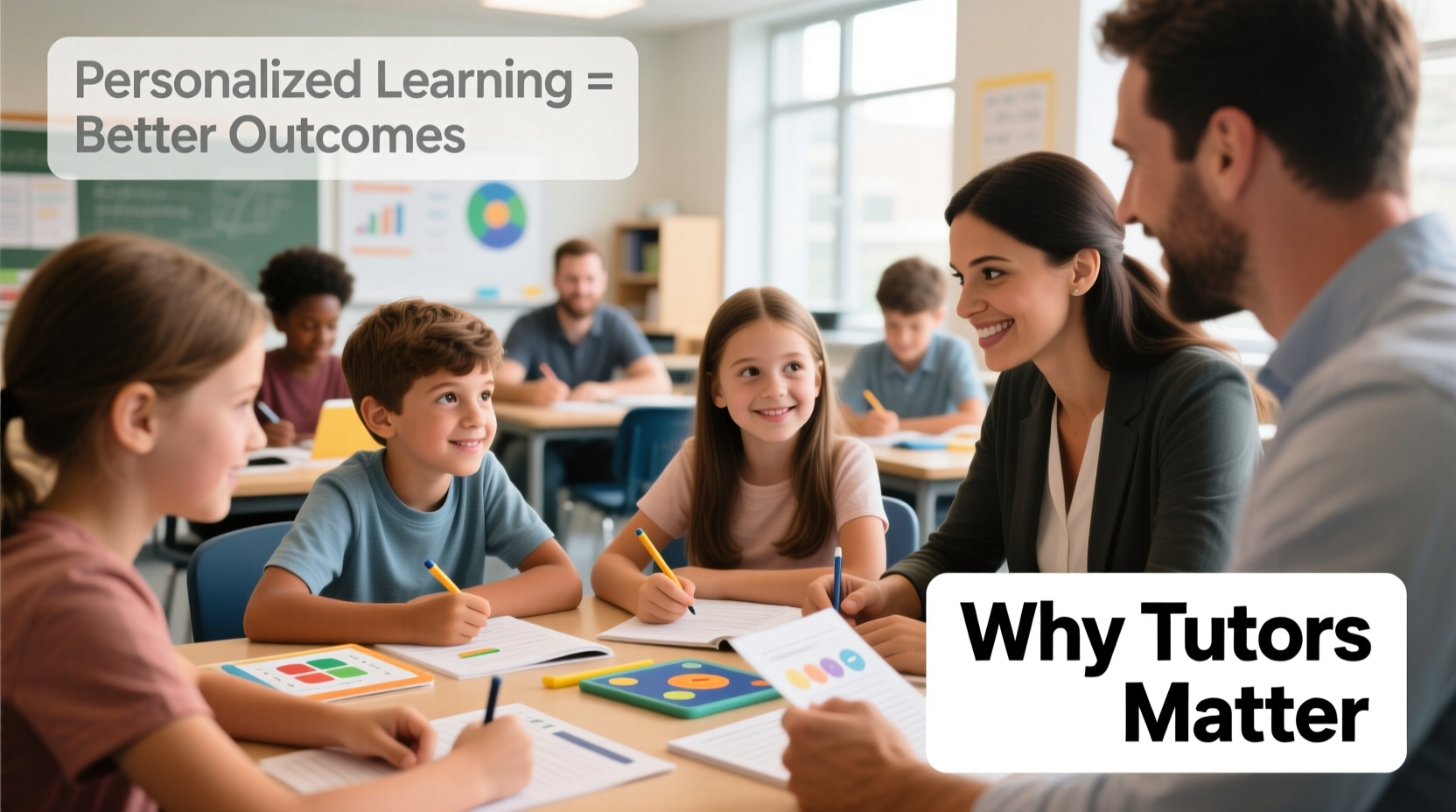
Classroom teachers often manage 20 to 30 students at once, making it difficult to address individual needs consistently. In contrast, tutors operate with a singular focus: the student in front of them. This focused relationship allows for immediate feedback, real-time adjustments, and deeper understanding. A tutor doesn’t just teach content—they diagnose learning obstacles, such as conceptual misunderstandings or study habit inefficiencies, and design strategies to overcome them.
Moreover, tutors help students develop metacognitive skills—awareness of how they learn best. For instance, a student struggling with essay writing may not lack ideas but might benefit from structured outlining techniques. A skilled tutor identifies this gap and introduces tools that foster independence. Over time, students internalize these methods, becoming more self-reliant learners even outside tutoring sessions.
Key Benefits of Personalized Tutoring
Personalized tutoring offers advantages that go far beyond homework help. These benefits compound over time, influencing both academic performance and personal development.
- Customized Learning Pace: Students progress at their own speed—slowing down on difficult topics and accelerating through familiar material.
- Targeted Skill Development: Tutors identify weak areas (e.g., fractions, grammar rules) and build targeted exercises to strengthen them.
- Confidence Building: One-on-one encouragement reduces anxiety and fosters a safe space to ask questions without fear of judgment.
- Improved Study Habits: Tutors model effective note-taking, time management, and active reading strategies.
- Accountability and Consistency: Regular sessions establish routine and responsibility, reinforcing commitment to learning goals.
Unlike group settings, personalized tutoring eliminates distractions and peer comparison, allowing students to focus entirely on growth rather than competition. This environment is especially beneficial for learners with ADHD, anxiety, or those who are introverted.
Expert Insight: What Research Says About Tutoring Efficacy
“High-dosage, personalized tutoring is one of the most powerful tools we have to close achievement gaps. When delivered consistently, it can accelerate learning by several grade levels.” — Dr. Susanna Loeb, Director, Center for Education Policy Analysis, Stanford University
Studies from institutions like the National Bureau of Economic Research confirm that students receiving regular, individualized tutoring show significantly greater academic gains compared to peers relying solely on classroom instruction. The “dosage” matters: weekly sessions over sustained periods yield better results than sporadic help. Furthermore, the emotional connection between tutor and student enhances motivation, making learning feel less like an obligation and more like a collaborative journey.
Case Study: How Personalized Tutoring Transformed Maya’s Academic Journey
Maya, a 10th-grade student in Chicago, struggled with chemistry despite being diligent in class. She earned C’s on tests and felt increasingly discouraged. Her parents hired a subject-specific tutor who began by assessing her understanding of core concepts like stoichiometry and atomic structure. It became clear that Maya had missed key foundational ideas earlier in the year.
Rather than re-teaching the entire curriculum, the tutor created a six-week plan focusing on filling those gaps using visual models and real-world analogies. Sessions included practice problems, concept mapping, and weekly quizzes to track progress. Within two months, Maya’s quiz average rose from 68% to 89%. More importantly, she reported feeling “in control” of her learning for the first time.
This example illustrates how personalized tutoring doesn’t just improve grades—it restores confidence and agency in students who may otherwise disengage.
Do’s and Don’ts of Choosing the Right Tutor
| Do’s | Don’ts |
|---|---|
| Choose a tutor with experience in the specific subject and age group. | Assume all certified teachers make good tutors—teaching and tutoring require different skill sets. |
| Look for someone who conducts an initial assessment before starting lessons. | Hire based solely on price; quality and fit matter more than cost. |
| Prioritize communication—tutors should update parents and collaborate with school teachers when appropriate. | Select a tutor who follows a rigid curriculum regardless of the student’s needs. |
| Ensure compatibility in personality and teaching style. | Ignore red flags like lack of punctuality, poor preparation, or dismissive attitudes. |
Step-by-Step Guide to Maximizing Tutoring Impact
To get the most out of personalized tutoring, follow this five-step process:
- Define Clear Goals: Identify what success looks like—raising a grade, passing an exam, or improving comprehension.
- Match with the Right Tutor: Use referrals, interviews, or trial sessions to find a compatible educator.
- Establish a Routine: Schedule consistent sessions (e.g., twice weekly) at a reliable time and place.
- Encourage Active Participation: Students should come prepared with questions, notes, and completed work.
- Review Progress Monthly: Assess improvements, adjust goals, and celebrate milestones to maintain motivation.
Frequently Asked Questions
How is personalized tutoring different from classroom teaching?
Classroom teaching is designed for groups and follows a fixed curriculum. Personalized tutoring adapts to the individual learner’s pace, learning style, and knowledge gaps. It allows for immediate feedback, deeper exploration of challenging topics, and customized resources tailored to the student’s needs.
Can tutoring help students who are already performing well?
Absolutely. High-achieving students benefit from enrichment opportunities, advanced problem-solving, and preparation for honors or AP courses. Tutors can introduce critical thinking challenges, research projects, or competition-level math problems that go beyond standard curricula.
Is online tutoring as effective as in-person sessions?
For many students, yes. Online tutoring offers flexibility, access to specialized experts regardless of location, and interactive digital tools. Success depends on reliable technology, a quiet environment, and a tutor skilled in virtual engagement. Some students even report feeling more comfortable asking questions via video call.
Conclusion: Empowering Learners Through Personalized Support
Tutors play a vital role in shaping not just academic outcomes, but lifelong attitudes toward learning. In an era where education systems struggle to meet individual needs, personalized tutoring provides a proven, adaptable solution. From closing learning gaps to boosting confidence and cultivating independent study habits, the benefits are profound and enduring.
If you're considering support for a student, don't wait until performance declines. Proactive tutoring can prevent struggles before they start and unlock potential that might otherwise remain untapped. Whether it's mastering a tough subject, preparing for college entrance exams, or simply building stronger learning foundations, investing in personalized tutoring is an investment in future success.




 浙公网安备
33010002000092号
浙公网安备
33010002000092号 浙B2-20120091-4
Comments
No comments yet. Why don't you start the discussion?