
In an era dominated by high-resolution smartphone cameras and AI-powered editing tools, a curious reversal is taking place: people are turning back to bulky, low-fidelity devices from the late 1990s and early 2000s—vintage camcorders. These analog relics, once considered obsolete, are now being embraced by Gen Z, millennials, and digital artists alike. The trend isn’t just about nostalgia; it’s a deliberate aesthetic and philosophical shift rooted in authenticity, imperfection, and the charm of analog limitations. At the heart of this revival lies the Y2K aesthetic—a visual and cultural movement that celebrates the optimism, chaos, and digital infancy of the turn of the millennium.
The grainy footage, washed-out colors, and audible tape hiss of vintage camcorders have become signature elements of music videos, fashion films, and social media content. But why now? What makes these outdated machines feel so current in 2024 and beyond? The answer spans psychology, digital fatigue, and a growing desire for tangible, human-centered storytelling.
The Cultural Resonance of the Y2K Aesthetic
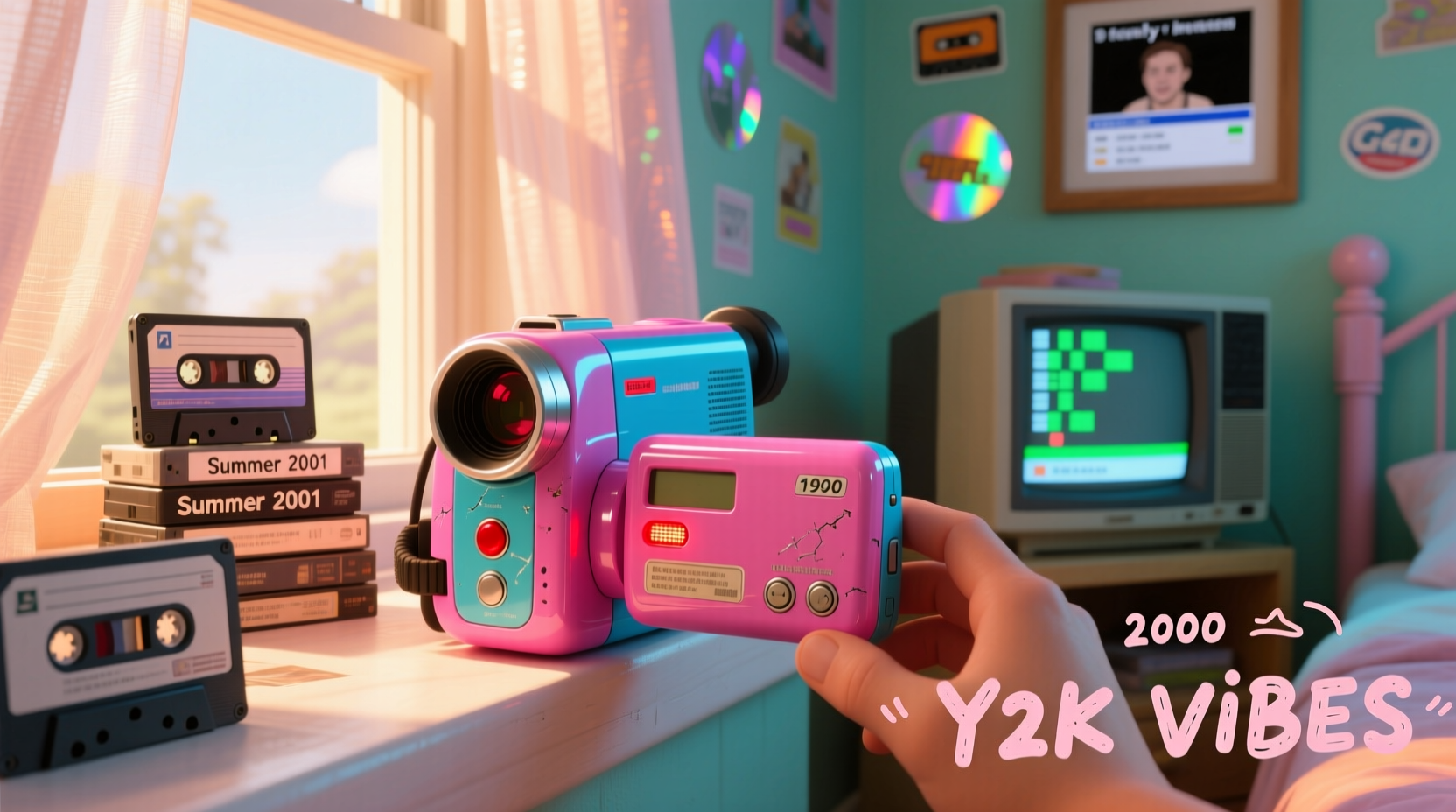
The Y2K aesthetic—short for \"Year 2000\"—refers to the design language, fashion, technology, and pop culture associated with the late '90s and early 2000s. Once dismissed as kitschy or overly optimistic, it has undergone a critical reevaluation. Today, it symbolizes a moment when the future felt both exciting and uncertain. The anticipation of the new millennium sparked a unique blend of cyber-futurism and analog warmth, seen in translucent electronics, metallic fabrics, CRT screens, and chunky gadgets like flip phones and MiniDV camcorders.
For younger generations who didn’t live through the era firsthand, the Y2K period represents a curated memory—an idealized past constructed from found footage, family tapes, and internet archives. The aesthetic offers a sense of innocence before the rise of surveillance capitalism, algorithmic control, and hyper-curated digital personas. Using a vintage camcorder becomes more than a filming choice; it’s a statement against digital perfection.
“Gen Z isn’t just nostalgic—they’re reconstructing the past to critique the present. The camcorder is a tool of resistance against overproduction.” — Dr. Lena Torres, Media Anthropologist, NYU
The Allure of Analog Imperfection
Modern digital video is pristine: stabilized, color-graded, and endlessly editable. Yet this very perfection can feel sterile. Vintage camcorders introduce flaws—shaky hands, autofocus hunting, timecode glitches—that paradoxically make content feel more real. These imperfections create emotional proximity. When viewers see a wobbly shot of someone laughing in their bedroom, recorded on a 2003 Sony Handycam, they don’t perceive it as amateurish—they perceive it as honest.
This embrace of lo-fi aesthetics reflects a broader cultural pivot. Platforms like TikTok and Instagram Reels thrive on raw, unfiltered moments. The camcorder’s limitations align perfectly with this ethos. Unlike smartphones that encourage endless retakes, camcorders demand presence. You press record, commit to the moment, and accept what unfolds. There’s no instant preview, no cloud backup—just magnetic tape capturing fleeting reality.
From Nostalgia to Creative Tool: How Artists Are Repurposing Camcorders
The resurgence isn’t limited to casual users. Independent filmmakers, musicians, and visual artists are integrating vintage camcorders into their work. Music videos by artists like Caroline Polachek, 100 gecs, and even Billie Eilish have featured VHS-style visuals to evoke intimacy and surrealism. Fashion brands such as Collina Strada and Telfar use camcorder footage in runway documentation and lookbooks, rejecting glossy production in favor of DIY authenticity.
One notable example is Brooklyn-based artist Mika Rios, who exclusively uses a Panasonic PV-GS35 to document urban life. Her short film *Subway Dreams*, shot entirely on MiniDV tape, went viral in 2023 for its haunting portrayal of subway riders lost in thought. The slightly distorted audio and flickering frame rate created a hypnotic effect that digital couldn’t replicate.
Mini Case Study: The Rise of “VHScore” Music
A niche genre known as “VHScore” has emerged on platforms like Bandcamp and SoundCloud, where composers layer ambient soundscapes with recordings pulled from old tapes. Artist Jamie Linx creates immersive tracks using audio captured from forgotten birthday parties, school plays, and home workouts—all sourced from thrifted camcorders. “There’s something sacred about these private moments,” Linx explains. “The camcorder wasn’t made for art—it was made for memory. That’s why it works.”
This blending of personal archive and artistic expression underscores the deeper value of vintage tech: it carries history. Each device has its own wear pattern, its own mechanical voice. Two identical camcorders will produce subtly different results based on age, maintenance, and usage. In a world of uniform digital outputs, that variability is priceless.
Technical Considerations: Getting Started with Vintage Camcorders
For those interested in joining the trend, understanding the technical side is crucial. Most vintage camcorders use one of three formats: VHS-C (compact VHS), Hi8, or MiniDV. Each has pros and cons depending on your goals.
| Format | Video Quality | Playback & Transfer | Availability |
|---|---|---|---|
| VHS-C | Low (240–250 lines resolution) | Requires adapter to play in standard VCR | Very common, cheap ($10–$30) |
| Hi8 | Moderate (400 lines, better color) | Needs Hi8-compatible player or FireWire capture | Moderate ($40–$80) |
| MiniDV | High (for its time, ~500 lines, digital) | Easiest transfer via FireWire to computer | Widely available ($50–$120) |
MiniDV is often the best starting point due to its digital clarity and straightforward digitization process. However, true purists favor VHS-C for its extreme lo-fi texture. Whichever format you choose, inspect the device carefully. Look for signs of mold inside the lens, ensure the tape mechanism loads smoothly, and test recording before purchasing.
Step-by-Step Guide: Digitizing Your First Tape
- Acquire the right hardware: Camcorder, compatible tapes, FireWire (IEEE 1394) cable, and a computer with FireWire port (or USB adapter).
- Charge or power the camcorder: Use AC adapter if possible to avoid battery interruptions.
- Insert tape and rewind: Ensure the tape is at the beginning for clean capture.
- Connect camcorder to computer: Set camcorder to “VCR” or “Play” mode.
- Use capture software: Options include iMovie (macOS), Adobe Premiere, or free tools like Open Broadcaster Software (OBS).
- Record in real-time: Digitizing takes as long as the footage (e.g., 60 minutes of tape = 60 minutes of capture).
- Edit and preserve: Add filters sparingly to maintain authenticity. Store original files securely.
Why This Trend Is More Than Just a Fad
The return of vintage camcorders isn’t merely cyclical fashion. It reflects deeper societal shifts. As digital life becomes increasingly automated and impersonal, people crave tactile experiences. Holding a camcorder, feeling the weight, hearing the whir of the tape—it grounds us in physical reality. Psychologists refer to this as “material engagement,” where interaction with physical objects enhances cognitive and emotional connection.
Moreover, the act of recording on tape forces intentionality. Unlike smartphones that silently record hundreds of clips, camcorders require a decision to press record. This mindfulness fosters more meaningful documentation. Families are rediscovering old tapes not just for the images, but for the context—the date stamp, the accidental audio, the sibling arguing off-camera. These details build narrative richness that metadata alone cannot convey.
Social media has amplified this trend by rewarding authenticity. Algorithms often favor content that feels “unproduced.” A TikTok video shot on a 2001 JVC GR-DV300 with visible tracking lines might gain more traction than a polished iPhone clip. Brands have taken note, launching campaigns styled like home videos to appear more relatable.
Checklist: Starting Your Vintage Camcorder Journey
- ✅ Decide on a format (MiniDV recommended for beginners)
- ✅ Purchase from reputable sellers (check eBay reviews or local thrift stores)
- ✅ Test recording and playback before finalizing purchase
- ✅ Acquire necessary cables and capture software
- ✅ Buy blank tapes (new old stock lasts longer)
- ✅ Clean video heads regularly
- ✅ Digitize tapes promptly to preserve content
- ✅ Experiment with lighting and movement to embrace the aesthetic
Frequently Asked Questions
Can I still buy new tapes for vintage camcorders?
Yes, though availability varies. MiniDV and VHS-C tapes are still manufactured in small batches, primarily for archival purposes. New old stock (NOS) can be found on eBay, Amazon, or specialty retailers. Hi8 tapes are rarer but occasionally available. Always store tapes upright in a cool, dry place to prevent degradation.
Are vintage camcorders reliable for regular use?
With proper care, yes—but they are mechanical devices with moving parts. Regular cleaning, avoiding extreme temperatures, and using AC power instead of weak batteries improve longevity. Many units from the early 2000s still function well today if maintained. However, expect occasional glitches like tape jams or head clogs, especially with older models.
Is the Y2K camcorder trend environmentally sustainable?
In many ways, yes. Reusing old electronics reduces e-waste and promotes a circular economy. Instead of buying new gear with high carbon footprints, repurposing existing devices extends their lifecycle. However, consider digitizing tapes to reduce ongoing wear on fragile machinery. Once preserved, the original tapes can be stored or recycled responsibly.
Conclusion: Embrace the Glitch, Capture the Moment
The resurgence of vintage camcorders is more than a retro trend—it’s a cultural reset. In choosing these imperfect machines, we reject the pressure to perform, edit, and optimize every second of our lives. We reclaim the right to be blurry, out of focus, and emotionally present. The Y2K aesthetic, with all its glitter and grain, reminds us that beauty exists in transition, in uncertainty, in the moments between frames.
Whether you're an artist seeking texture, a parent wanting to document childhood authentically, or simply someone tired of digital overload, picking up a vintage camcorder is an act of creative liberation. It doesn’t matter if the colors bleed or the audio distorts—those aren’t flaws. They’re fingerprints of time.




 浙公网安备
33010002000092号
浙公网安备
33010002000092号 浙B2-20120091-4
Comments
No comments yet. Why don't you start the discussion?