
In recent years, a familiar silhouette has reappeared on city streets, hiking trails, and social media feeds: the vintage windbreaker. Once dismissed as outdated athletic gear from the '70s, '80s, and '90s, these lightweight jackets have undergone a dramatic transformation—from thrift-store relics to must-have fashion staples. But what’s behind this revival? Is it pure nostalgia for bygone decades, or do vintage windbreakers offer something genuinely useful in today’s world? The truth lies somewhere in between. Their resurgence is fueled by a confluence of cultural sentiment, functional design, and a shift toward sustainable fashion.
The Cultural Resurgence: Nostalgia as a Driving Force
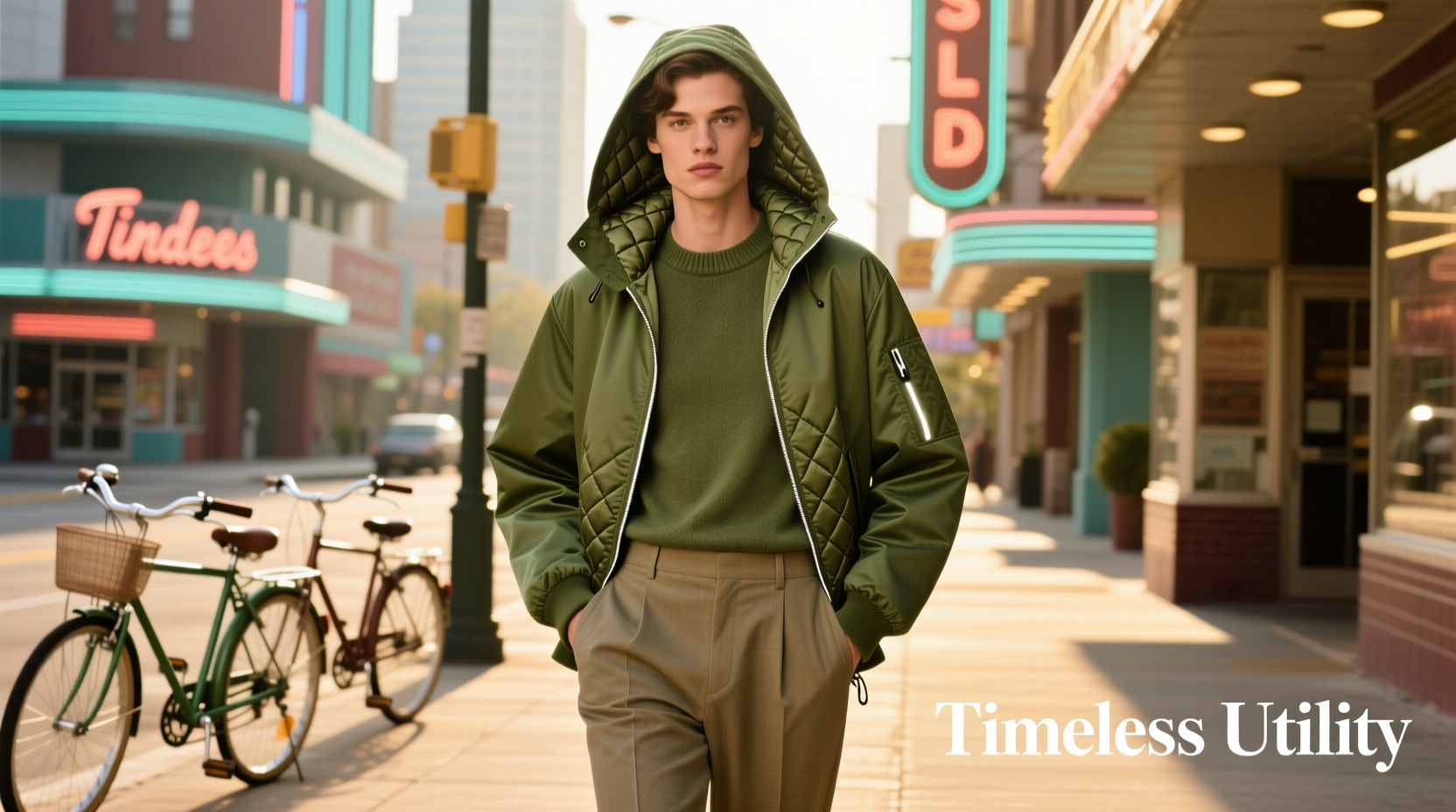
Nostalgia has become one of the most powerful forces in modern consumer culture. As global uncertainty rises and digital life accelerates, many people seek comfort in the familiar. Vintage windbreakers—particularly those emblazoned with retro logos, bold color blocking, or collegiate insignias—evoke memories of childhood sports days, family camping trips, or early morning school runs. These emotional associations make them more than just garments; they become wearable time capsules.
Brands like Nike, Adidas, and Fila have capitalized on this trend by reissuing archival designs or launching \"heritage\" collections that mimic the aesthetics of past decades. Streetwear labels and high-fashion houses alike incorporate vintage-inspired silhouettes into seasonal lines, blurring the line between authentic secondhand finds and new retro-styled pieces.
This isn’t merely about looking old—it’s about feeling connected to an era perceived as simpler, more analog, and less mediated by screens. As fashion historian Dr. Lena Moreau observes:
“Nostalgia in fashion isn’t about escaping the present; it’s about reclaiming identity through visual language. The vintage windbreaker speaks to authenticity, individuality, and a break from fast fashion uniformity.” — Dr. Lena Moreau, Cultural Historian, Parsons School of Design
Functional Advantages That Stand the Test of Time
Beyond sentimental value, vintage windbreakers offer practical benefits that remain relevant—and often superior—to many modern alternatives. Originally designed for athletes and outdoor enthusiasts, these jackets were built with performance in mind. Key features include:
- Lightweight construction: Most vintage windbreakers weigh under 300 grams, making them easy to pack and carry.
- Wind resistance: Tightly woven nylon or polyester shells effectively block gusts without trapping heat.
- Rain repellency: While not fully waterproof, many models feature water-resistant coatings that handle light showers.
- Ventilation: Mesh linings and underarm zips allow airflow, preventing overheating during activity.
- Packability: Many can be folded into their own chest pocket or cinch sack, ideal for travel or sudden weather changes.
Unlike heavier raincoats or insulated jackets, vintage windbreakers strike a balance between protection and breathability. This makes them especially suitable for transitional seasons—spring drizzle, autumn breezes, or unpredictable urban microclimates.
A Shift Toward Sustainable Fashion Choices
One of the most compelling reasons for the return of vintage windbreakers is sustainability. With growing awareness of fashion’s environmental impact—estimated at 10% of global carbon emissions and 20% of wastewater—the appeal of pre-owned clothing has surged. Buying secondhand reduces demand for new production, cuts down on textile waste, and extends the lifecycle of existing garments.
Windbreakers, due to their durable materials and simple construction, tend to age well. A properly cared-for jacket from the 1980s can still perform effectively today. This durability aligns perfectly with the slow fashion movement, which emphasizes quality over quantity and values longevity in design.
Moreover, thrifting has become more accessible and socially acceptable. Platforms like Depop, Grailed, and Vestiaire Collective have turned vintage shopping into a curated experience, where rare windbreakers—such as a 1992 Patagonia Retro-X prototype or a limited-edition Reebok USA Track jacket—can fetch premium prices based on condition, rarity, and cultural significance.
Mini Case Study: Emma’s Windbreaker Journey
Emma, a 29-year-old graphic designer in Portland, Oregon, began collecting vintage windbreakers after seeing one featured in a documentary about '90s outdoor culture. She started with a $12 find at a local thrift store—a faded blue Columbia jacket with reflective stripes. After cleaning and repairing a small tear, she wore it daily during spring commutes.
“I realized how much I didn’t need a bulky coat,” she says. “This kept me dry in drizzle, blocked wind on my bike ride, and rolled up small enough to fit in my backpack. Plus, no one else had one like it.”
Over two years, Emma built a collection of eight windbreakers sourced entirely from resale markets. Her favorite? A neon-yellow Nike ACG model from 1998 that became her signature look at music festivals. “It’s not just fashion,” she adds. “It’s function with personality.”
Comparative Analysis: Vintage vs. Modern Windbreakers
To understand whether vintage styles outperform contemporary ones, consider the following comparison based on material quality, design intent, and environmental footprint.
| Feature | Vintage Windbreakers (1970s–1990s) | Modern Mass-Market Windbreakers |
|---|---|---|
| Material Quality | Often thicker, tightly woven nylon; some with reinforced stitching | Thinner polyester blends; prone to pilling and tearing |
| Design Focus | Performance-first: ventilation, packability, visibility | Fashion-first: branding, color trends, slim fits |
| Environmental Impact | Zero new resource use if secondhand; low carbon footprint | New production; often ends in landfill within 2–3 years |
| Uniqueness | High—each piece may vary slightly due to age and origin | Low—mass-produced with minimal variation |
| Maintenance Needs | May require minor repairs but generally resilient | Limited repairability; often discarded when damaged |
While modern technical outerwear excels in extreme conditions (e.g., Gore-Tex jackets for mountaineering), vintage windbreakers hold their own in everyday scenarios. Their simplicity becomes an asset: fewer components mean fewer points of failure.
How to Choose and Care for a Vintage Windbreaker
Finding the right vintage windbreaker involves more than just picking a cool color. Follow this step-by-step guide to ensure you select a durable, functional piece that will last.
- Determine your primary use: Will you wear it for commuting, travel, or casual outings? This helps narrow down features like hood size, pocket layout, and length.
- Inspect fabric integrity: Check for thinning areas, especially under arms and along seams. Run fingers over the surface to detect weak spots.
- Test the zipper: Open and close it multiple times. Stiffness can be fixed with lubricant, but broken teeth or missing pulls are red flags.
- Assess fit: Vintage sizing runs smaller. Consider going one or two sizes up for layering space, unless you prefer a fitted look.
- Clean gently: Hand wash with mild detergent or use a cold machine cycle in a mesh bag. Avoid bleach and fabric softener.
- Re-waterproof if needed: Apply a spray-on DWR treatment every 6–12 months to restore water resistance.
- Store properly: Hang in a dry closet or fold loosely on a shelf. Avoid plastic bags, which trap moisture.
Checklist: What to Look for in a Quality Vintage Windbreaker
- ✅ Intact, functional zipper (main and pockets)
- ✅ No large stains, holes, or significant fading
- ✅ Reinforced stitching at stress points (shoulders, hem, cuffs)
- ✅ Original tags or identifiable brand markings (helps verify authenticity)
- ✅ Breathable lining (mesh or perforated fabric preferred)
- ✅ Packable design (can fold into pocket or pouch)
- ✅ Water-repellent finish (beads water rather than absorbing)
FAQ: Common Questions About Vintage Windbreakers
Are vintage windbreakers truly waterproof?
No, most vintage windbreakers are water-resistant rather than fully waterproof. They can handle light rain or mist but aren’t designed for prolonged exposure to heavy downpours. For wet climates, pair them with a compact rain shell or treat them with a DWR spray to enhance protection.
Do they run small compared to modern sizes?
Yes, vintage sizing typically runs smaller, especially in European and Japanese brands. Always check measurements (pit-to-pit, length, sleeve) rather than relying on labeled size. When in doubt, size up—especially if you plan to layer underneath.
Can I repair a torn vintage windbreaker?
Absolutely. Small tears can be patched with iron-on nylon tape or sewn with a fine needle and polyester thread. For larger damage, consider taking it to a specialty repair shop familiar with technical fabrics. Properly repaired, a windbreaker can last decades longer.
Conclusion: Style Meets Substance in the Windbreaker Revival
The return of vintage windbreakers isn't a fleeting trend driven solely by retro aesthetics. It reflects a deeper shift in how people approach clothing—valuing durability, personal expression, and environmental responsibility. These jackets bridge the gap between form and function, offering real-world utility while allowing wearers to stand out in an age of algorithmic fashion homogenization.
Whether you're drawn to the nostalgic glow of a '90s track jacket or simply need a reliable layer for unpredictable weather, there’s no denying that vintage windbreakers have earned their place in the modern wardrobe. They remind us that sometimes, the best innovations aren’t new—they’re rediscovered.




 浙公网安备
33010002000092号
浙公网安备
33010002000092号 浙B2-20120091-4
Comments
No comments yet. Why don't you start the discussion?