
In recent years, weighted blankets have transitioned from niche therapeutic tools to mainstream bedroom staples. You’ll find them in drugstores, luxury bedding lines, and even travel-sized versions for airplane naps. Their sudden ubiquity raises a fair question: why are weighted blankets suddenly everywhere—and more importantly, do they actually help people sleep better?
The answer lies at the intersection of neuroscience, consumer wellness trends, and a growing cultural focus on mental health. As stress, anxiety, and sleep disorders rise globally, people are turning to non-pharmaceutical solutions. Weighted blankets, which apply gentle, distributed pressure across the body, promise relief through deep touch stimulation—a concept grounded in occupational therapy and sensory processing research.
But beyond the marketing claims and viral TikTok testimonials, what does the evidence say? And who truly benefits from these heavy comforters?
The Science Behind Deep Pressure Stimulation
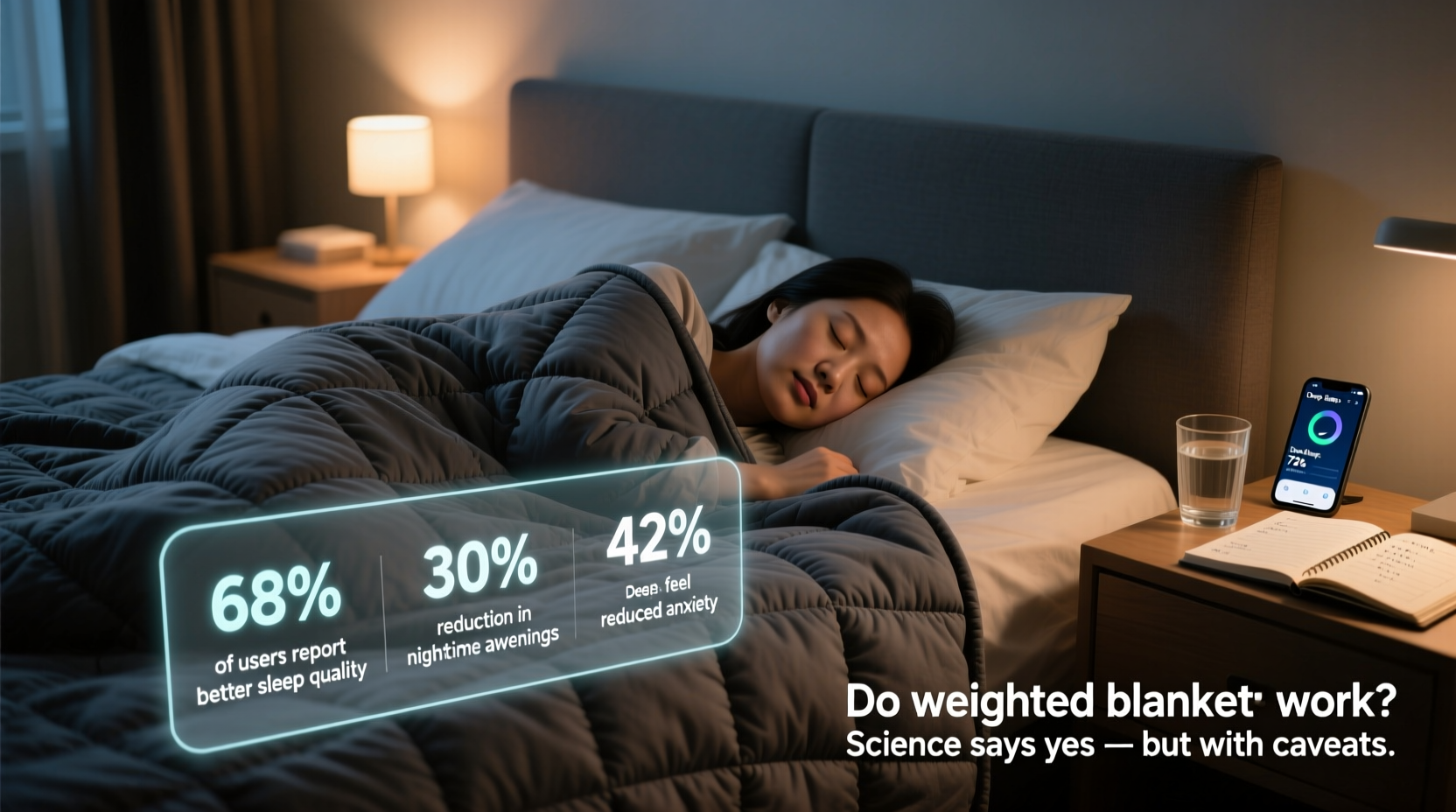
Weighted blankets operate on the principle of deep pressure stimulation (DPS), a tactile input that applies consistent, gentle pressure across the skin and muscles. This sensation mimics the feeling of being hugged, swaddled, or held—actions known to reduce physiological arousal.
Research shows DPS can influence the autonomic nervous system by reducing sympathetic (\"fight-or-flight\") activity and enhancing parasympathetic (\"rest-and-digest\") function. One 2020 study published in Frontiers in Psychiatry found that participants using a 6–8 kg (13–18 lb) weighted blanket experienced significantly lower heart rates and cortisol levels—markers of stress—within minutes of use.
The mechanism is believed to involve increased serotonin and melatonin production. Serotonin, a neurotransmitter linked to mood regulation, serves as a precursor to melatonin, the hormone that governs sleep-wake cycles. By calming the nervous system, DPS may support the natural transition into restful sleep.
“Deep pressure can be incredibly regulating for individuals with anxiety, ADHD, or sensory processing differences. It’s not just placebo—it has measurable neurochemical effects.” — Dr. Laura Nguyen, Occupational Therapist & Sleep Researcher
Rise in Popularity: Why Now?
While weighted blankets originated in clinical settings for autistic children and psychiatric patients, their leap into mainstream culture began around 2017. Several factors converged to fuel this surge:
- Mental health awareness: As conversations around anxiety, burnout, and emotional regulation became normalized, consumers sought accessible tools to manage daily stress.
- Influencer marketing: Social media platforms amplified user testimonials, particularly among millennials and Gen Z, who value holistic wellness solutions.
- Celebrity endorsements: Public figures like Rosie Pope and Prince Harry discussed using weighted products for anxiety and PTSD, lending credibility and visibility.
- Product innovation: Companies improved design with breathable fabrics, removable covers, and customizable weights, making them suitable for year-round use.
- Pandemic-driven demand: During lockdowns, many people struggled with disrupted routines and heightened anxiety, driving interest in home-based coping strategies.
According to market analysis firm Grand View Research, the global weighted blanket market was valued at $354 million in 2022 and is projected to grow at over 8% annually through 2030. This isn’t a fad—it’s a reflection of shifting health priorities.
Do They Actually Improve Sleep? Evidence and Limitations
The short answer: yes, for many—but not all—people. Clinical trials and observational studies suggest modest but meaningful improvements in sleep quality, especially among those with specific conditions.
A 2015 randomized controlled trial published in the Journal of Sleep Medicine & Disorders examined 31 adults with insomnia and comorbid anxiety. Participants who used a 6–8 kg weighted blanket reported:
- Improved sleep efficiency (time spent asleep vs. time in bed)
- Fewer nighttime awakenings
- Lower subjective anxiety scores
However, results were mixed for objective measures like EEG readings, suggesting that while users *felt* they slept better, brainwave patterns didn’t always reflect deeper sleep stages.
Another 2020 study in BMJ Open found that adults with mental health conditions who used weighted blankets for two weeks showed reduced insomnia severity compared to controls. Yet, researchers noted high dropout rates due to discomfort—particularly among those who felt too warm or restricted.
Who Benefits Most?
Not everyone responds equally to weighted blankets. The following groups tend to see the most benefit:
- Individuals with generalized anxiety disorder (GAD)
- People with autism spectrum disorder (ASD)
- Those with ADHD experiencing restlessness
- Adults with chronic insomnia linked to hyperarousal
- Patients recovering from PTSD or trauma
Conversely, some populations should exercise caution:
- Children under 10 (unless supervised and properly sized)
- People with obstructive sleep apnea or respiratory issues
- Individuals with circulatory problems or diabetes affecting extremities
- Anyone unable to remove the blanket independently
Choosing the Right Weighted Blanket: A Practical Guide
Selecting an effective and safe weighted blanket involves more than picking a trendy color. Consider these key factors:
Weight Guidelines
The general rule is to choose a blanket that weighs approximately 10% of your body weight. For example:
| Body Weight | Suggested Blanket Weight | Common Blanket Sizes |
|---|---|---|
| 100–130 lbs | 10–13 lbs | 48\" x 72\" |
| 130–170 lbs | 13–17 lbs | 60\" x 80\" |
| 170–200 lbs | 15–20 lbs | 60\" x 80\" or 72\" x 84\" |
| 200+ lbs | 20–25 lbs | Queen/King sizes |
Note: Some brands offer dual-weight inserts or layered designs for adjustability.
Material and Breathability
Overheating is the top complaint among users. Opt for blankets made with:
- Cotton or bamboo outer layers (natural, breathable fibers)
- Micro-glass beads instead of plastic poly pellets (lighter, less noisy)
- Quilted or baffle-box stitching to prevent filling clumping
- Removable, machine-washable covers
Real-World Example: Sarah’s Experience with Anxiety and Sleep
Sarah, a 34-year-old project manager in Chicago, had struggled with racing thoughts and difficulty falling asleep for years. After being diagnosed with mild GAD, her therapist suggested trying a weighted blanket alongside cognitive behavioral techniques.
She started with a 15-pound cotton-blend blanket, using it during evening relaxation exercises and eventually throughout the night. Within three weeks, she noticed fewer nighttime awakenings and a quicker transition from wakefulness to sleep. “It’s not magic,” she said, “but it feels like my body finally gets the signal that it’s safe to shut down.”
Her experience mirrors that of many users: incremental improvement rather than instant transformation. The blanket didn’t cure her anxiety, but it became a reliable tool in her self-care routine.
Step-by-Step: How to Integrate a Weighted Blanket Into Your Routine
If you're considering trying a weighted blanket, follow this gradual approach to maximize comfort and effectiveness:
- Assess your needs: Are you seeking help with sleep onset, nighttime anxiety, or physical restlessness?
- Determine the right weight: Use the 10% rule as a starting point, adjusting based on build and preference.
- Start with partial use: Drape it over your legs or torso while reading or meditating before bed.
- Gradually increase duration: Move from 20-minute sessions to full-night use over 1–2 weeks.
- Monitor your response: Track changes in sleep quality, anxiety levels, and comfort using a journal or app.
- Adjust or discontinue if needed: If you feel constrained, overheated, or anxious, try a lighter version or stop use.
Checklist: Before Buying a Weighted Blanket
Use this checklist to make an informed decision:
- ☐ I know my body weight and have calculated 10% as a baseline
- ☐ I’ve considered room temperature and seasonal needs
- ☐ I’ve ruled out medical contraindications (e.g., sleep apnea, mobility issues)
- ☐ I’m choosing a reputable brand with safety certifications (e.g., OEKO-TEX®)
- ☐ The blanket has a removable, washable cover
- ☐ It comes with a trial period or return policy
- ☐ I’ve read verified customer reviews focusing on comfort and durability
Frequently Asked Questions
Can I use a weighted blanket every night?
Yes, if it feels comfortable and doesn’t disrupt your breathing or movement. Many users adopt them as long-term sleep aids. However, listen to your body—some alternate between nights or use them only during periods of high stress.
Are weighted blankets safe for children?
Only under supervision and when properly sized. The recommended weight is 10% of the child’s body weight plus one to two pounds. Never use a weighted blanket for infants or toddlers under two due to suffocation risk.
Can I use a weighted blanket if I have sleep apnea?
Consult your doctor first. While some with mild apnea tolerate them well, others report increased breathing difficulty. CPAP users should ensure the blanket doesn’t interfere with mask fit or hose positioning.
Conclusion: A Tool, Not a Cure-All
Weighted blankets are everywhere because they address a genuine need: the desire for simple, non-invasive ways to calm the mind and improve sleep. Supported by emerging science and decades of clinical use, they offer real benefits for many—especially those grappling with anxiety, sensory overload, or fragmented sleep.
Yet, they are not miracle cures. Effectiveness varies by individual, and comfort is highly personal. When chosen thoughtfully and used appropriately, a weighted blanket can become a valuable part of a broader sleep hygiene strategy—one that includes consistent schedules, screen reduction, and stress management.




 浙公网安备
33010002000092号
浙公网安备
33010002000092号 浙B2-20120091-4
Comments
No comments yet. Why don't you start the discussion?