
In the past five years, weighted blankets have gone from niche therapeutic tools to mainstream bedroom staples. Spotted in influencer bedrooms, hotel wellness suites, and even college dorms, their rise has been rapid and widespread. But what’s behind this sudden ubiquity? And more importantly—do they actually deliver on their promises of deeper sleep, reduced anxiety, and improved relaxation?
The answer isn’t a simple yes or no. While not a magic cure-all, a growing body of research and anecdotal evidence suggests that for many people, weighted blankets can produce meaningful benefits. To understand why they’ve exploded in popularity and whether they’re worth trying, it’s essential to look at the science, cultural trends, user experiences, and practical considerations.
The Rise of Weighted Blankets: From Therapy Tool to Lifestyle Trend
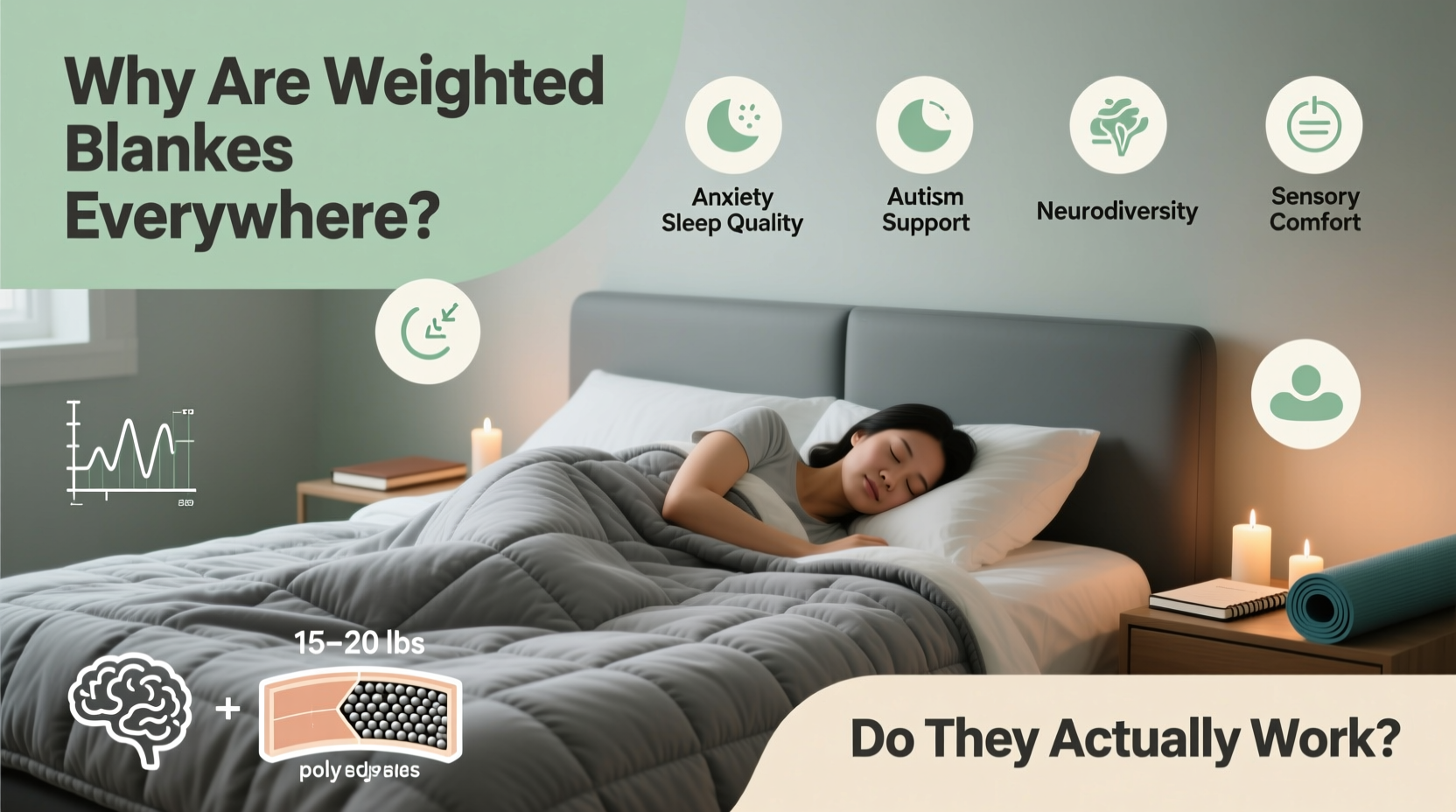
Weighted blankets were originally developed as part of occupational therapy, particularly for individuals with autism, ADHD, and sensory processing disorders. The concept is rooted in deep pressure stimulation (DPS)—a type of gentle, firm touch that mimics the feeling of being hugged, swaddled, or held. DPS has long been known to activate the parasympathetic nervous system, which helps the body relax and prepare for rest.
What changed was not the science, but the packaging. In the early 2010s, startups began rebranding these clinical tools as premium wellness products. Sleek designs, breathable fabrics, and marketing focused on self-care and mental health helped them gain traction. Social media accelerated the trend—Instagram posts showing cozy nights in, TikTok videos demonstrating “the weight effect,” and celebrity endorsements all contributed to their viral appeal.
Today, major retailers like Target, Amazon, and Brooklinen carry multiple weighted blanket options, often priced between $100 and $250. This accessibility, combined with rising public awareness of mental health and sleep hygiene, created the perfect conditions for a wellness phenomenon.
How Do Weighted Blankets Work? The Science Behind the Pressure
The primary mechanism behind weighted blankets is deep pressure stimulation. When evenly distributed weight is applied across the body, it triggers physiological changes that promote calmness:
- Increased serotonin and melatonin production: DPS may stimulate the release of serotonin, a neurotransmitter linked to mood regulation. Serotonin is a precursor to melatonin, the hormone responsible for sleep-wake cycles.
- Reduced cortisol levels: Cortisol, commonly known as the stress hormone, tends to decrease under deep pressure, helping ease anxiety and physical tension.
- Activation of the parasympathetic nervous system: This \"rest and digest\" system counteracts the fight-or-flight response, slowing heart rate and lowering blood pressure.
A 2020 study published in the Journal of Clinical Sleep Medicine found that adults using a 6–8 kg (13–18 lb) weighted blanket reported significantly improved sleep quality and reduced daytime fatigue compared to those using a light control blanket. Another study in the American Journal of Occupational Therapy showed that 63% of participants experienced lower anxiety after using a weighted blanket for 5 minutes.
“Deep pressure can be profoundly calming for the nervous system. It’s not just placebo—it’s physiology.” — Dr. Lindsey Elmore, Clinical Pharmacist and Sleep Specialist
However, results vary. Some users report immediate relief, while others notice no difference or find the weight uncomfortable. Individual factors such as body size, sensitivity to touch, and underlying health conditions play a crucial role.
Do They Actually Work? A Real-World Look at Effectiveness
To gauge real-world effectiveness, consider a mini case study:
Mini Case Study: Sarah, 34, Marketing Manager with Insomnia
Sarah struggled with chronic insomnia for over three years. Despite trying meditation, sleep trackers, and prescription medication, she often lay awake for hours. After reading about weighted blankets, she purchased a 15-pound model based on her body weight (150 lbs). Within two weeks, she noticed she fell asleep 20–30 minutes faster. She described the sensation as “being tucked in by someone who cares.” Over time, her nighttime awakenings decreased, and she felt less anxious at bedtime.
But it wasn’t instant. The first few nights were awkward—she felt trapped and overheated. She switched to a bamboo-blend cover and started using it only during the initial wind-down phase, removing it once asleep. This compromise made the difference.
Sarah’s experience reflects a common pattern: potential benefits exist, but success often depends on proper use, material choice, and personal adjustment.
Who Benefits Most?
Research and user reports suggest that weighted blankets may be most effective for:
- People with generalized anxiety or panic disorders
- Individuals with ADHD or autism spectrum disorder
- Those experiencing insomnia or restless leg syndrome
- Anyone seeking non-pharmaceutical support for relaxation
Conversely, they may not be suitable for:
- Young children under 50 pounds (risk of suffocation)
- People with obstructive sleep apnea or respiratory issues
- Individuals with circulatory problems or temperature regulation disorders
- Side or stomach sleepers who prefer freedom of movement
Choosing the Right Weighted Blanket: A Practical Checklist
Not all weighted blankets are created equal. With dozens of brands offering different fillers, weights, and fabrics, selecting the right one requires careful consideration. Use this checklist before purchasing:
- Determine the correct weight: Aim for approximately 10% of your body weight. For example, if you weigh 150 lbs, a 15-pound blanket is ideal.
- Check the filler material: Common options include plastic poly pellets, glass beads, or steel shot grains. Glass beads are quieter and more evenly distributed but often more expensive.
- Choose a breathable fabric: Cotton, bamboo, and microfiber blends help regulate temperature. Avoid 100% polyester if you tend to overheat.
- Look for washable covers: Removable, machine-washable covers make maintenance easier and extend the blanket’s lifespan.
- Assess size compatibility: The blanket should fit your bed size or body dimensions. An oversized blanket may slide off; an undersized one won’t distribute weight evenly.
- Read return policies: Many reputable brands offer 30–100 night trial periods. Take advantage of these to test comfort risk-free.
Common Pitfalls and How to Avoid Them
Even well-designed weighted blankets can fail if used incorrectly. Here are frequent mistakes and how to address them:
| Pitfall | Why It Happens | Solution |
|---|---|---|
| Overheating at night | Heavy materials trap heat; synthetic fabrics reduce breathability | Choose natural fibers like cotton or bamboo; opt for cooling versions with gel-infused fillers |
| Feeling trapped or claustrophobic | Too much weight or lack of acclimation | Start with shorter sessions (e.g., during evening TV); consider a lighter weight |
| Blanket shifting or clumping | Poor internal compartment stitching | Select blankets with small, tightly sewn pockets to prevent filler migration |
| Difficulty moving during sleep | Excessive restriction limits natural turning | Use only during initial sleep onset; remove once asleep if needed |
Step-by-Step Guide to Using a Weighted Blanket Effectively
Maximizing the benefits of a weighted blanket involves more than just draping it over yourself. Follow this timeline for best results:
- Week 1: Daytime Introduction
Use the blanket for 15–30 minutes during low-stress activities like watching TV or journaling. Focus on how your body responds. - Week 2: Evening Wind-Down Trial
Incorporate the blanket into your pre-sleep routine. Apply it 30 minutes before bed while doing calming activities (e.g., reading, breathing exercises). - Week 3: Overnight Test
Try sleeping with the blanket all night. Monitor comfort, temperature, and morning alertness. Keep a brief log of sleep quality. - Week 4: Evaluate and Adjust
Decide whether to continue full-time use, limit to partial nights, or discontinue. Consider switching weights or materials if needed.
This gradual integration helps your body adapt and prevents early rejection due to discomfort.
Frequently Asked Questions
Can I use a weighted blanket if I sleep hot?
Yes, but choose wisely. Look for blankets labeled “cooling” made from breathable materials like cotton, bamboo, or TENCEL™. Some brands use moisture-wicking technology or open-knit patterns to enhance airflow. Avoid fleece or thick quilted covers.
Are weighted blankets safe for seniors?
Generally, yes—for healthy seniors without respiratory or mobility issues. However, consult a doctor first if there are concerns about circulation, arthritis, or chronic pain. A lighter weight (e.g., 7–10% of body weight) may be safer.
Can couples share a weighted blanket?
It's possible, but challenging. Each person should ideally have a blanket sized and weighted for their body. Shared blankets often end up favoring one side, leading to uneven pressure. Consider twin-sized individual blankets instead.
Conclusion: Are Weighted Blankets Worth the Hype?
The surge in popularity of weighted blankets isn’t purely driven by marketing. There’s credible science supporting their ability to reduce anxiety and improve sleep for many users. However, they are not a universal solution. Their effectiveness depends on individual needs, proper selection, and realistic expectations.
For those struggling with restlessness, mild anxiety, or difficulty unwinding at night, a well-chosen weighted blanket could be a valuable addition to a holistic wellness routine. It’s not about replacing medical treatment, but enhancing daily comfort through gentle, non-invasive means.
If you’re curious, approach it like any new wellness tool: experiment thoughtfully, prioritize comfort, and listen to your body. With the right fit and usage, a weighted blanket might just become the quiet ally your sleep routine has been missing.




 浙公网安备
33010002000092号
浙公网安备
33010002000092号 浙B2-20120091-4
Comments
No comments yet. Why don't you start the discussion?