
Rejection is a universal human experience. Yet, when it unfolds within the pages of a manga, something unexpected often happens: readers don’t turn away—they lean in. Instead of closing the book, they become more invested, more emotionally attached, even obsessed. This phenomenon isn’t accidental. It’s rooted in psychological dynamics, narrative craftsmanship, and the unique way manga manipulates emotion through storytelling. Understanding why we become fixated on characters or arcs after rejection reveals not just how stories captivate us, but also how our own minds process loss, longing, and identity.
The Psychology of Emotional Investment
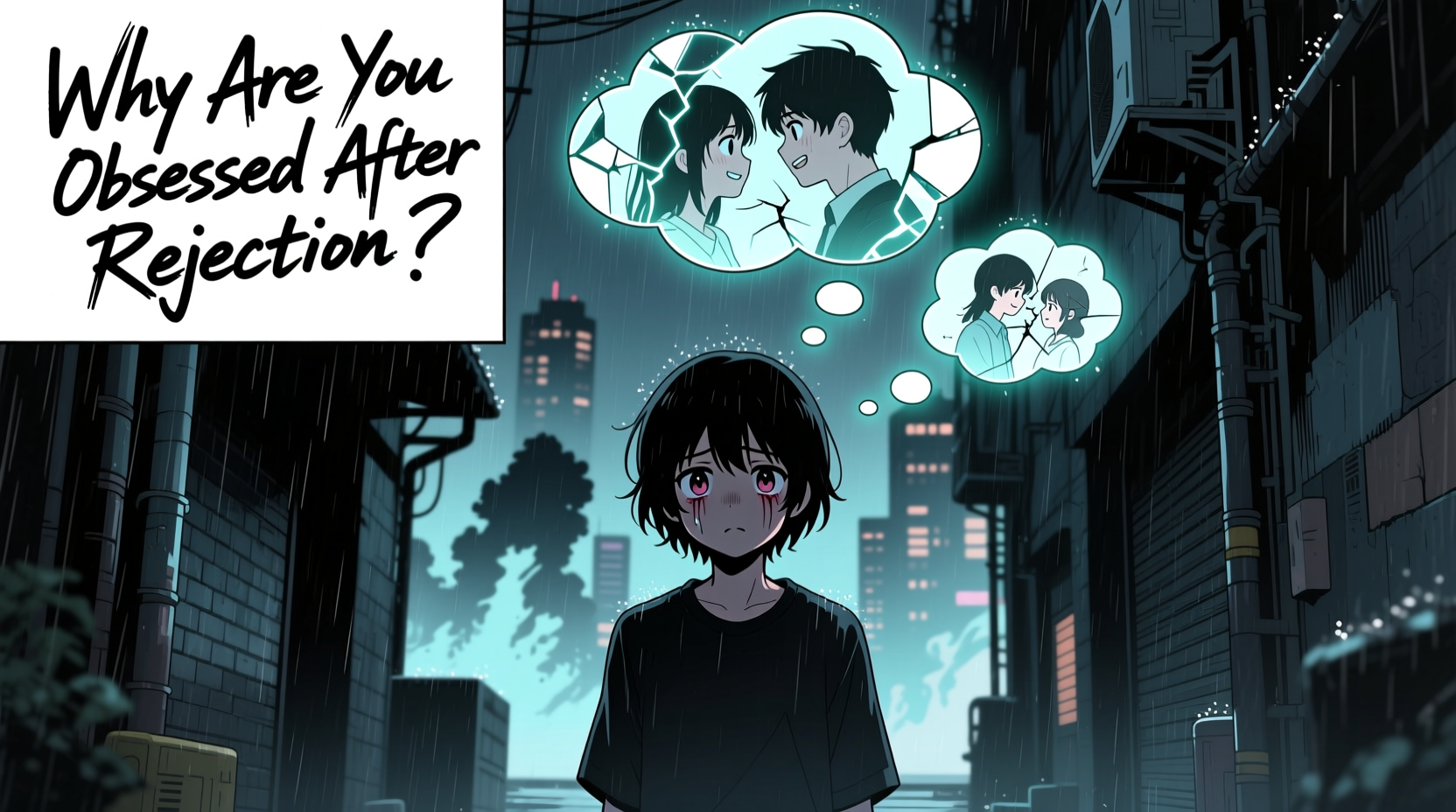
Manga thrives on emotional escalation. Unlike Western comics that often prioritize action or plot mechanics, many Japanese manga series place emotional development at the core of their narrative structure. When a character experiences rejection—whether romantic, social, or existential—it triggers mirror neurons in the reader. We don’t just observe the pain; we feel it.
Psychologists have long studied the concept of vicarious reinforcement, where individuals learn emotional responses by observing others. In manga, rejection scenes are often drawn with exaggerated facial expressions, dramatic pauses, and internal monologues that amplify emotional weight. These techniques deepen the reader’s connection, making the moment of rejection resonate beyond the page.
“Rejection in manga doesn’t end a story—it begins one. The most compelling arcs start with loss.” — Dr. Aiko Tanaka, Narrative Psychologist & Author of *Emotion in Sequential Art*
This turning point—where a character is cast aside, betrayed, or ignored—often marks the beginning of transformation. Readers stay because they anticipate growth. They want to see how pain becomes power, isolation turns into strength, and heartbreak fuels ambition.
Narrative Design: Why Rejection Fuels Obsession
Manga creators use rejection as a structural device. It’s not merely a plot twist; it’s a catalyst. Consider the common arc: protagonist confesses feelings → gets rejected → undergoes intense training or introspection → returns stronger. This pattern appears across genres, from shonen battle epics to shojo romance dramas.
The reason this formula works so well lies in its alignment with human psychology. Rejection activates the brain’s threat response system, similar to physical pain. When a fictional character endures this pain visibly—and survives—it offers catharsis. Readers project their own unresolved rejections onto the character, creating a powerful emotional bond.
The Role of Silence and Space
One of manga’s most potent tools is silence. After a rejection, artists may insert blank panels, close-ups of trembling hands, or wide shots of empty hallways. These visual pauses force the reader to sit with discomfort. There’s no immediate resolution, no comforting voiceover—just raw presence. This mimics real-life grief, where answers don’t come quickly.
That lingering uncertainty breeds obsession. The reader keeps turning pages not for action, but for closure. Will the character move on? Will they confront their feelings? Or will they spiral deeper? The lack of resolution keeps the mind engaged long after reading.
Case Study: The “Unrequited Love” Arc in *Ao Haru Ride*
In Io Sakisaka’s acclaimed manga *Ao Haru Ride*, protagonist Futaba Yoshioka reunites with her middle school crush, Kou Tanaka (now Mabuchi), only to face repeated emotional distance and indirect rejection. Despite his coldness, Futaba persists—not out of naivety, but from a need to understand what went wrong.
Readers don’t abandon Futaba during these moments. On the contrary, sales spiked during chapters where Kou withdraws emotionally. Online forums lit up with analysis: Was he protecting her? Was he afraid? Could love survive asymmetry?
This engagement illustrates a key truth: obsession arises not from reciprocation, but from ambiguity. When emotions are left unresolved, the mind seeks patterns, replays scenes, and constructs alternate outcomes. Manga exploits this tendency masterfully.
Do’s and Don’ts of Emotional Storytelling in Manga
| Practice | Effect on Reader | Example |
|---|---|---|
| Do: Use internal monologue after rejection | Builds empathy and insight | Character reflects silently while rain falls outside a window |
| Don’t: Rush reconciliation | Undermines emotional weight | Forgiveness in the next chapter feels unearned |
| Do: Show physical changes post-rejection | Visualizes inner turmoil | Weight loss, disheveled appearance, or altered posture |
| Don’t: Vilify the person who delivered rejection | Maintains narrative complexity | Rejecter has valid reasons, not just cruelty |
| Do: Introduce symbolic objects | Creates lasting emotional anchors | A lost scarf, an unanswered letter, a broken watch |
Step-by-Step: How Rejection Transforms a Manga Protagonist
- Initial Idealization: The protagonist views someone (or a goal) as perfect or essential to happiness.
- Confession or Confrontation: They take emotional risk, often after prolonged buildup.
- Rejection Scene: Delivered directly or implied, marked by silence, distance, or refusal.
- Withdrawal and Reflection: Protagonist isolates, questions self-worth, revisits memories.
- Transformation: New resolve forms—training, self-improvement, or philosophical shift.
- Return or Letting Go: Either renewed effort or mature acceptance, showing growth.
This arc mirrors real psychological recovery models, such as the Kübler-Ross stages of grief. Denial, anger, bargaining, depression, and acceptance appear subtly across chapters. Because the journey feels authentic, readers invest deeply.
Why You Can’t Look Away: The Obsession Loop
Obsession in manga fandom isn’t passive. It’s active participation. Fans reread chapters, analyze frame composition, write fanfiction, and debate interpretations. This behavior stems from what cognitive scientists call the Zeigarnik effect: people remember uncompleted tasks better than completed ones.
Rejection creates narrative incompleteness. The emotional loop remains open until resolution—sometimes stretching over hundreds of pages. During this time, the reader’s mind continues to engage, rehearse, and imagine outcomes. This mental looping is the engine of obsession.
- Rejection disrupts expectations.
- Disruption demands explanation.
- Explanation requires continued engagement.
- Engagement becomes habit.
- Habit becomes obsession.
Frequently Asked Questions
Is it unhealthy to become obsessed with a manga character after a rejection scene?
Not necessarily. Moderate emotional investment in fiction can be therapeutic, offering safe space to process personal feelings. However, if it interferes with daily life, relationships, or emotional regulation, it may signal a need for reflection or support.
Why do some manga characters never get closure?
Intentional ambiguity allows readers to project their own endings. Series like *Nana* or *Platinum End* end without resolution, leaving fans debating for years. This openness extends the story’s lifespan far beyond publication.
Can real-life rejection be processed by reading manga about it?
Yes. Studies show that reading emotionally resonant fiction improves empathy and self-understanding. Seeing a character navigate rejection can normalize pain and model resilience, aiding personal healing.
Actionable Checklist: Engage Healthily With Emotional Manga
- ✅ Reflect on why a scene affected you
- Ask: Does this mirror my own experience?
- ✅ Limit binge-reading during intense arcs
- Give yourself time to process emotions between chapters.
- ✅ Discuss with others
- Join forums or talk with friends to externalize feelings.
- ✅ Create something inspired by the story
- Draw, write, or compose music—channel obsession into creativity.
- ✅ Know when to step back
- If a series triggers persistent sadness, take a break.
Conclusion: Turning Obsession Into Insight
Being obsessed after rejection in manga isn’t a flaw—it’s a testament to the power of storytelling. These narratives tap into fundamental truths about longing, identity, and recovery. They don’t offer easy answers, but they provide companionship in solitude. The characters who endure rejection and keep moving forward remind us that emotional scars don’t define us—they shape us.
Next time you find yourself rereading the same chapter, analyzing a single panel, or dreaming about a character’s future, recognize it for what it is: not escapism, but engagement. You’re not just reading a story. You’re participating in a shared human experience.




 浙公网安备
33010002000092号
浙公网安备
33010002000092号 浙B2-20120091-4
Comments
No comments yet. Why don't you start the discussion?