
Zoos have long been presented as institutions of education, conservation, and public engagement with wildlife. Yet, growing scrutiny has cast a spotlight on their ethical foundations. While some modern facilities strive for higher standards, many zoos continue to raise serious concerns about animal welfare, natural behavior suppression, and the morality of keeping wild animals in captivity. As society evolves in its understanding of animal sentience and rights, it's essential to critically examine why zoos may do more harm than good.
The Psychological Toll of Captivity
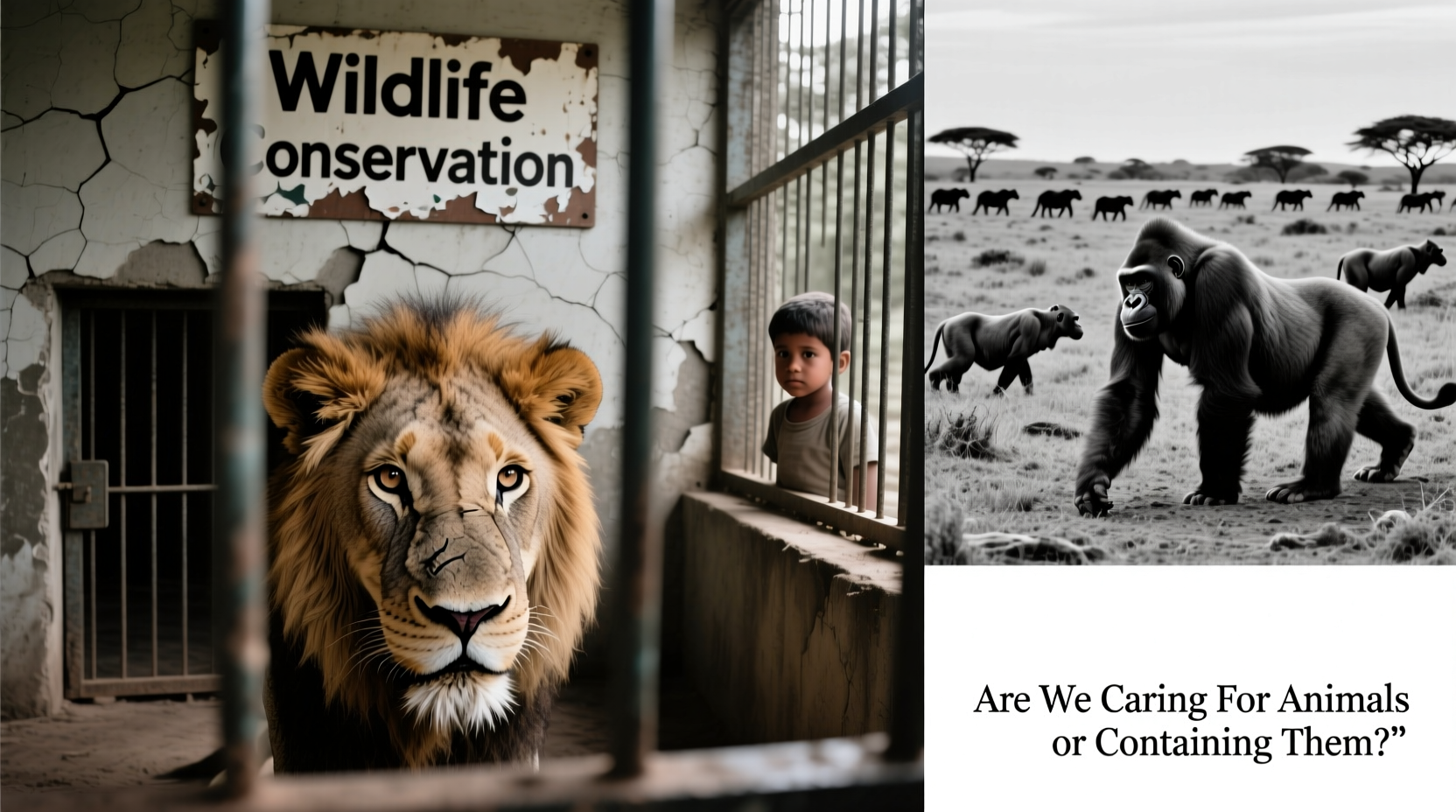
Wild animals evolved over millennia to navigate vast territories, hunt, forage, and form complex social structures. In zoos, these fundamental behaviors are severely restricted or eliminated entirely. The result is often psychological distress, manifesting in repetitive, self-destructive actions known as zoochosis—such as pacing, head-bobbing, or self-mutilation. These behaviors are rare in the wild but alarmingly common in captive environments.
Species like elephants, great apes, and large carnivores are especially vulnerable. Elephants in the wild travel up to 50 miles a day; in zoos, they may be confined to concrete enclosures smaller than a tennis court. This confinement leads not only to mental health decline but also to physical ailments such as arthritis and foot infections.
Physical Health and Lifespan Disparities
Contrary to popular belief, captivity does not guarantee better health or longevity. Studies have shown that certain species live shorter lives in zoos than in their natural habitats. For example, a 2008 study published in Biology Letters found that African elephants in European zoos had significantly lower life expectancies than their wild counterparts—often less than half as long.
Diet, lack of exercise, and artificial environments contribute to chronic health problems. Polar bears, adapted to Arctic climates and expansive hunting grounds, frequently suffer from obesity, dental disease, and heat stress in temperate-zone zoos. Similarly, marine mammals like dolphins and orcas develop ulcers and weakened immune systems due to chlorinated water and acoustic disorientation in small tanks.
“Animals are not objects for display. They are sentient beings with complex emotional and physical needs that most zoos simply cannot meet.” — Dr. Jane Goodall, Primatologist and Animal Welfare Advocate
Ethical Dilemmas: Conservation vs. Exploitation
One of the primary justifications for zoos is species conservation. While some breeding programs have contributed to reintroducing endangered animals—such as the Arabian oryx or California condor—these cases remain the exception rather than the rule. Less than 10% of animals in zoos are part of official endangered species programs.
Moreover, many animals bred in captivity cannot be released into the wild due to lack of survival skills or habitat loss. Instead, they remain in lifelong captivity, often moved between facilities for commercial or genetic management purposes. This raises ethical questions: Are we conserving species, or merely managing populations for exhibition?
Additionally, the focus on charismatic megafauna—lions, pandas, tigers—diverts attention and funding from broader ecosystem protection. Protecting natural habitats would benefit thousands of species simultaneously, whereas zoo-centric approaches are narrow and resource-intensive.
Conservation Claims vs. Reality: A Comparative Overview
| Claim by Zoos | Reality Check |
|---|---|
| We save endangered species through breeding. | Fewer than 5% of zoo animals are part of Species Survival Plans (SSPs). |
| We educate the public about wildlife. | Studies show most visitors spend under 30 seconds per exhibit; learning outcomes are minimal. |
| We fund global conservation efforts. | Less than 5% of typical zoo budgets go toward field conservation projects. |
| Captivity ensures safety from poaching and habitat loss. | Addressing root causes (e.g., poverty, illegal trade) is more effective and ethical. |
Alternatives That Prioritize Welfare and Ethics
As awareness grows, so do humane and scientifically sound alternatives to traditional zoos. Sanctuaries, for instance, prioritize animal well-being over visitor experience. They typically house rescued or non-releasable animals without breeding programs, offering spacious, species-appropriate environments with minimal human interference.
Technology also offers promising substitutes. Virtual safaris, augmented reality exhibits, and live-streamed wildlife cameras allow people to observe animals in their natural habitats without disruption. Schools and museums increasingly use immersive documentaries and interactive platforms to teach ecology and biodiversity—without confining living beings.
Mini Case Study: The Transformation of Loro Parque
Loro Parque, a Spanish zoo once criticized for its orca shows, faced international backlash after the documentary *Blackfish* exposed the psychological trauma of captive killer whales. In response, the facility ended its breeding program and shifted toward educational outreach and rescue operations. Though still controversial, this pivot reflects how public pressure can drive institutional change—even if gradually.
This case underscores a broader truth: when ethical concerns are taken seriously, zoos can evolve. But transformation requires transparency, accountability, and a willingness to phase out exploitative practices.
Action Checklist: How to Respond Ethically to Zoo Culture
- Educate yourself about accreditation standards—AZA certification doesn’t guarantee high welfare.
- Support true sanctuaries that prohibit breeding and direct public contact.
- Advocate for policies that phase out captivity for highly intelligent or wide-ranging species.
- Promote wildlife documentaries and virtual experiences as educational tools.
- Donate to conservation organizations focused on habitat preservation and anti-poaching efforts.
- Speak up when local zoos expand exhibits without addressing welfare concerns.
Frequently Asked Questions
Don’t zoos help protect endangered species?
Some do, but the number is small. Most zoo animals are not endangered, and few breeding programs lead to successful reintroduction. True conservation requires protecting ecosystems, not just individual animals in captivity.
Are all zoos equally harmful?
No. There is a spectrum. Some facilities adhere to higher welfare standards, avoid breeding apex predators, and focus on rehabilitation. However, even well-run zoos struggle to replicate natural behaviors and environments fully.
Can children still learn about animals without visiting zoos?
Absolutely. High-quality documentaries, nature reserves, citizen science apps, and school programs provide deeper, more accurate knowledge than brief zoo visits. Learning should inspire respect—not spectacle.
Toward a More Compassionate Future
The debate over zoos isn't just about animal care—it's about our values. Do we view wildlife as entertainment, or as autonomous beings deserving of dignity and freedom? While some institutions are making strides, the majority of zoos still operate on outdated models that prioritize human convenience over animal needs.
Progress lies in reimagining our relationship with nature. We can foster wonder and education without confinement. By supporting ethical alternatives and demanding accountability, we move closer to a world where conservation and compassion go hand in hand.




 浙公网安备
33010002000092号
浙公网安备
33010002000092号 浙B2-20120091-4
Comments
No comments yet. Why don't you start the discussion?