
Frescoes have adorned the walls of churches, palaces, and public buildings for millennia. From the ancient ruins of Pompeii to the Sistine Chapel’s celestial ceiling, these painted surfaces have endured wars, time, and environmental shifts—yet many remain remarkably intact. One of the most intriguing aspects of fresco durability is their resistance to moisture, a factor that typically spells disaster for other forms of wall art. Unlike oil paintings or murals applied over dry plaster, frescoes are chemically bonded into the very fabric of the wall. This integration, combined with precise materials and methods, grants them an unusual resilience against dampness and humidity.
The secret lies not in avoidance but in adaptation—frescoes don’t repel moisture so much as they accommodate it through chemistry and craftsmanship. Understanding this phenomenon reveals not only the brilliance of historical artisans but also offers valuable lessons for modern conservation and architectural design.
The Science Behind Fresco Durability
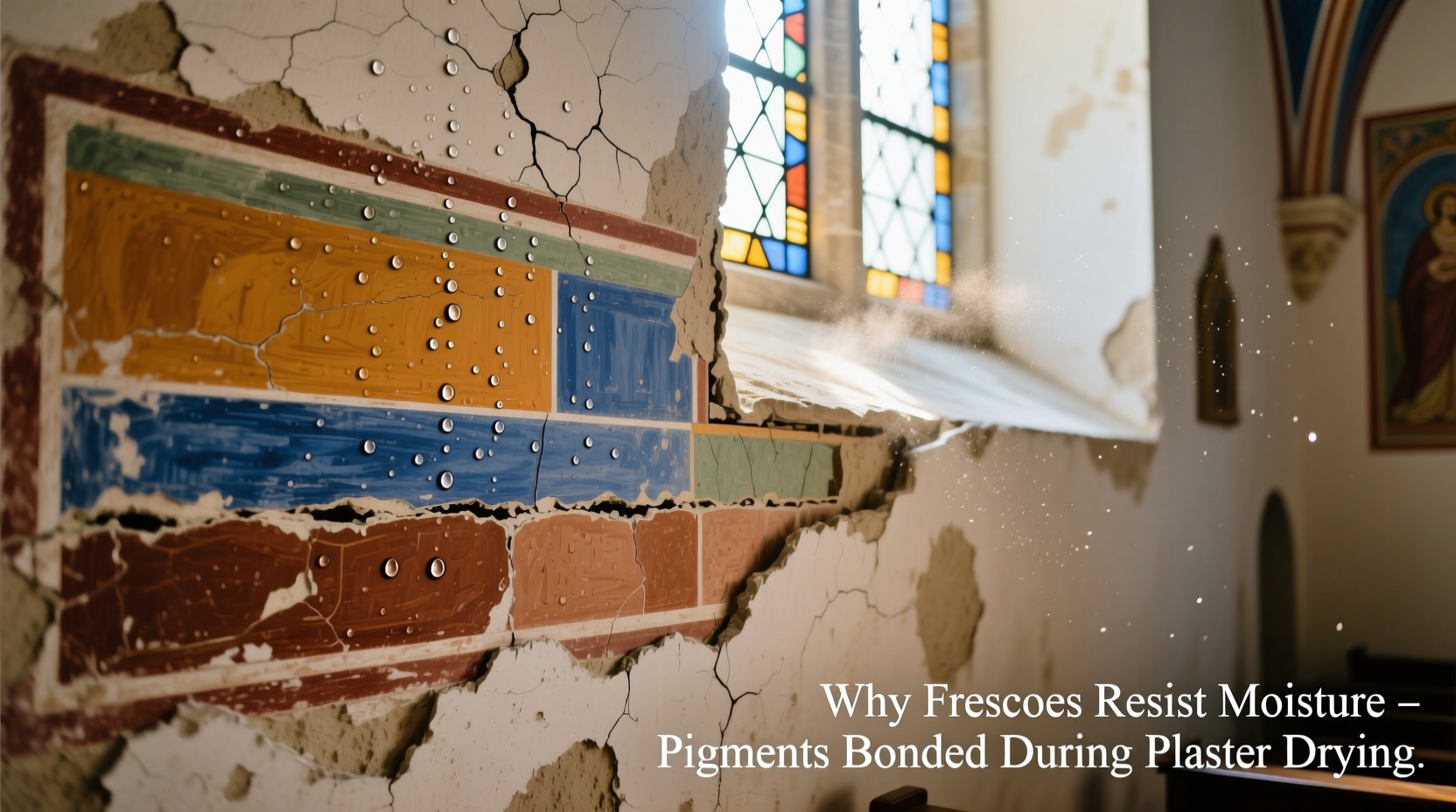
The term “fresco” comes from the Italian word *fresco*, meaning “fresh,” and refers to a painting technique where pigments are applied directly onto wet lime plaster. As the plaster dries, a chemical reaction called carbonation occurs: calcium hydroxide (slaked lime) reacts with carbon dioxide in the air to form calcium carbonate (essentially limestone). The pigment particles become encased within this crystalline matrix, effectively turning the paint layer into part of the wall itself.
This process creates a surface that is not merely painted but mineralized. Because the color is locked inside a calcified structure, it does not sit on top of the surface like conventional paint. This integration means that moisture cannot easily penetrate beneath the pigment layer to cause blistering, peeling, or mold growth—the typical issues seen in modern wall paintings exposed to humidity.
“Fresco is not applied to the wall—it becomes the wall.” — Giorgio Vasari, Renaissance artist and historian
Additionally, traditional fresco plaster is made from natural hydraulic lime or non-hydraulic lime mixed with sand and marble dust, all of which allow for micro-porosity. This enables the wall to “breathe,” letting moisture vapor pass through without trapping condensation inside. In contrast, modern cement-based plasters often trap moisture, leading to efflorescence and spalling.
How Moisture Affects Other Wall Art—and Why Frescoes Are Different
Most wall paintings deteriorate when exposed to moisture because water weakens adhesives, promotes mold, and causes expansion and contraction in support materials. Canvas murals, acrylics, and tempera paintings on dry plaster are especially vulnerable. But frescoes behave differently due to their method of creation.
| Type of Wall Art | Mechanism of Moisture Damage | Fresco Comparison |
|---|---|---|
| Acrylic or Oil Murals | Paint lifts due to trapped moisture; supports warp or rot | No binder degradation—pigment fused into mineral matrix |
| Tempera on Dry Plaster (Secco) | Binder fails when damp; flaking common | Fresco uses no organic binder; relies on inorganic carbonation |
| Modern Cement Paintings | Moisture trapped behind impermeable layers causes blistering | Lime plaster allows vapor transmission; prevents pressure buildup |
| Traditional Fresco | Minimal risk if properly executed; minor dampness dissipates | Inherently breathable and chemically stable |
The key distinction is permeability. While synthetic paints seal surfaces, frescoed walls remain porous, allowing humidity to move freely through the material rather than accumulating at interfaces. This dynamic equilibrium reduces long-term stress on the artwork.
A Real Example: The Preservation of the Villa of the Mysteries
In Pompeii, the Villa of the Mysteries houses one of the best-preserved Roman fresco cycles, dating back to the 1st century BCE. Buried under volcanic ash for over 1,500 years, the frescoes were shielded from light and air—but not from moisture. Groundwater seepage and high humidity levels in the region would typically destroy painted walls. Yet, upon excavation, the vibrant reds, yellows, and blacks remained strikingly clear.
Conservators attribute this survival to two factors: the original buon fresco (true fresco) technique and the mineral composition of the plaster. The calcium carbonate formation had already completed its curing process underground, stabilizing the pigments. Furthermore, the lack of oxygen slowed microbial growth, while the ash layer acted as a buffer against rapid humidity changes.
Today, climate-controlled shelters protect the site, but the underlying resilience stems from the initial craftsmanship. This case underscores how proper execution at the time of creation can outweigh centuries of environmental exposure.
Best Practices for Maintaining Frescoes in Humid Climates
While frescoes are naturally resistant to moisture, they are not invincible. Poor restoration, incompatible repair materials, or structural leaks can still lead to deterioration. Here is a step-by-step guide to preserving fresco integrity in damp environments:
- Assess Structural Integrity: Check for cracks, rising damp, or roof leaks that could introduce excessive water.
- Ensure Proper Ventilation: Allow airflow around frescoed walls to reduce localized humidity buildup.
- Use Compatible Materials: Repair damaged plaster only with lime-based mixes matching the original composition.
- Monitor Relative Humidity: Maintain indoor levels between 45–60%; avoid sudden fluctuations.
- Prevent Direct Water Contact: Redirect rainwater away from exterior fresco walls using gutters and overhangs.
Checklist: Protecting Frescoes from Moisture Damage
- ✅ Use only breathable, lime-based plasters for repairs
- ✅ Avoid sealing frescoes with varnishes or synthetic coatings
- ✅ Install hygrometers to track humidity near frescoed areas
- ✅ Inspect walls annually for signs of salt efflorescence or flaking
- ✅ Consult conservators before any cleaning or restoration work
Frequently Asked Questions
Can frescoes survive in bathrooms or kitchens with high humidity?
Traditional frescoes can tolerate moderate humidity due to their breathable nature, but constant condensation or steam exposure (as in bathrooms) risks encouraging mold and weakening structural plaster over time. They are best suited for well-ventilated, stable environments.
What causes a fresco to fade if not moisture?
UV light is the primary culprit for fading in frescoes. While moisture resistance is high, prolonged exposure to direct sunlight degrades certain pigments, especially organic ones. This is why most historic frescoes were placed in interiors or shaded courtyards.
Is it possible to create modern frescoes that resist moisture?
Yes, provided authentic materials and techniques are followed. Modern artists using true buon fresco methods with lime plaster and mineral pigments achieve durable results. However, shortcuts—like applying pigments to dry walls (fresco secco)—reduce longevity and moisture resistance.
Conclusion: Learning from Ancient Wisdom
The resilience of frescoes in the face of moisture is not magic but mastery—a testament to the deep understanding early artisans had of materials and environment. By embedding color into stone-like surfaces and allowing walls to breathe, they created art that outlived empires. Today, we can draw inspiration from their methods, especially as sustainable architecture seeks solutions for managing humidity without synthetic barriers.
Whether you're a conservator, artist, or history enthusiast, appreciating the science behind frescoes enriches our view of cultural heritage. The next time you stand before an ancient wall painting untouched by centuries of damp air, remember: it survives not despite the moisture, but because the art was designed to live with it.




 浙公网安备
33010002000092号
浙公网安备
33010002000092号 浙B2-20120091-4
Comments
No comments yet. Why don't you start the discussion?