
For generations, farmers have shaped the crops and livestock they depend on—not through genetic laboratories or digital tools, but through careful observation and deliberate breeding. This practice, known as artificial selection, remains one of the most powerful tools in agriculture. Unlike natural selection, where environmental pressures determine which traits survive, artificial selection puts the farmer in control. By choosing which plants or animals reproduce based on desirable characteristics, farmers can accelerate evolution to meet specific needs: higher yields, disease resistance, better taste, or climate adaptability.
In today’s world of rising food demand, changing climates, and economic pressure, artificial selection offers practical, cost-effective solutions. It doesn’t require advanced biotechnology, yet it delivers measurable results. From dairy cows producing more milk to wheat varieties that resist drought, this method continues to underpin agricultural progress across both small farms and large agribusinesses.
Improving Crop Yields and Quality
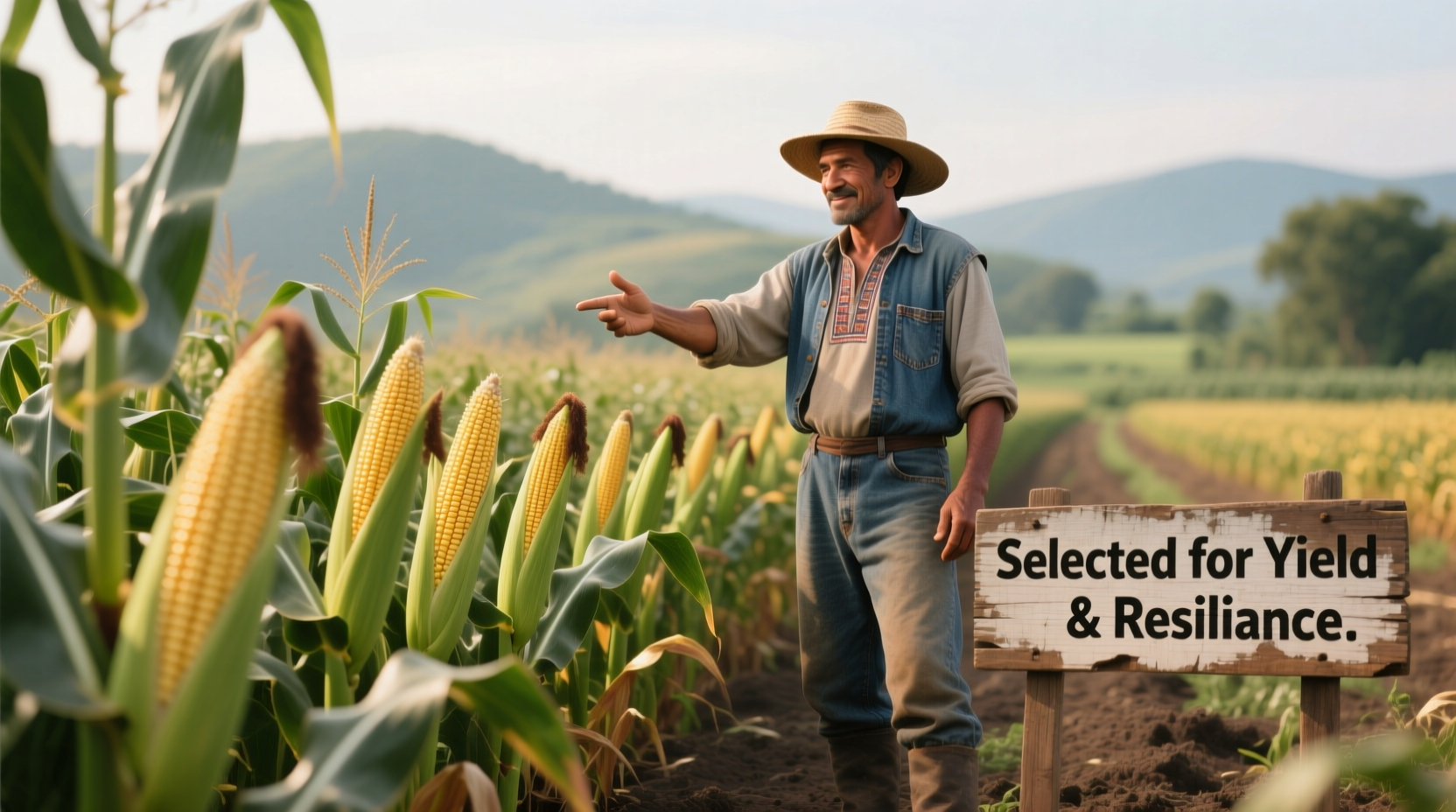
One of the primary reasons farmers rely on artificial selection is to increase productivity. Over successive growing seasons, selecting seeds from the highest-yielding plants leads to gradual but significant improvements. For example, corn grown in the early 20th century produced about 20 bushels per acre; today, thanks in part to decades of selective breeding, average yields exceed 170 bushels per acre in the U.S.
Beyond quantity, quality matters just as much. Farmers select for traits like grain size, sugar content, texture, and shelf life. A tomato breeder might favor plants with thicker skins to reduce spoilage during transport, while a barley grower may prioritize starch composition for brewing efficiency. These targeted improvements directly impact profitability and marketability.
Enhancing Disease and Pest Resistance
Disease outbreaks can devastate entire fields overnight. Artificial selection allows farmers to build resilience into their crops and livestock over time. For instance, potato varieties have been selectively bred to resist late blight—the pathogen responsible for the Irish Potato Famine. Similarly, poultry farmers have developed chicken breeds less susceptible to common illnesses like avian influenza by consistently breeding birds that recover quickly or show no symptoms.
This kind of biological defense reduces reliance on chemical treatments. Fewer pesticides mean lower input costs, reduced environmental impact, and healthier end products. In organic farming systems, where synthetic chemicals are restricted, artificial selection becomes even more critical.
“Farmers aren’t just growing food—they’re shaping biology. Every time they choose which bull sires the herd or which corn ears get saved for seed, they’re making decisions that echo across generations.” — Dr. Lena Patel, Agricultural Geneticist, University of Illinois
Adapting to Local and Changing Climates
Climate variability poses a major challenge. Rainfall patterns shift, temperatures rise, and extreme weather events become more frequent. Rather than waiting for nature to catch up, farmers use artificial selection to develop locally adapted strains.
A farmer in Kenya, for example, might breed drought-tolerant maize by saving kernels from plants that thrive during dry spells. Over several seasons, these selections produce a landrace variety uniquely suited to regional conditions. This localized adaptation often outperforms commercial hybrids, which are optimized for broad, uniform environments rather than microclimates.
Livestock benefit similarly. Herders in arid regions selectively breed goats that require less water and tolerate heat stress. These animals not only survive but remain productive under harsh conditions where non-adapted breeds would falter.
Step-by-Step Guide to Implementing Artificial Selection on Your Farm
- Identify Key Traits: Decide what you want to improve—yield, hardiness, flavor, growth rate, etc.
- Observe Performance: Monitor your crops or animals throughout the season, noting which individuals excel.
- Select Breeders: Choose the top 10–20% performers as parents for the next generation.
- Isolate and Breed: Prevent crossbreeding with inferior stock to maintain trait integrity.
- Evaluate Results: Track changes over 3–5 cycles to confirm improvement.
- Adjust as Needed: Refine selection criteria based on new challenges or goals.
Supporting Sustainable and Economical Farming
Artificial selection aligns closely with sustainable agriculture. Because it relies on existing genetic variation rather than synthetic inputs, it supports long-term soil and ecosystem health. Once a resilient variety is established, it can be maintained with minimal external resources.
Financially, the benefits are clear. Developing a new GMO crop can cost millions and take over a decade. In contrast, artificial selection costs little beyond labor and record-keeping. Smallholder farmers, who make up over 80% of the world’s agricultural producers, can implement it without access to labs or patents.
| Aspect | Artificial Selection | Genetic Engineering |
|---|---|---|
| Cost | Low (labor and observation) | High (R&D, regulatory approval) |
| Time to Results | 3–10 years | 10–15+ years |
| Farmer Control | Full autonomy | Limited (patents, contracts) |
| Regulatory Hurdles | None | Extensive |
| Sustainability | High (uses natural variation) | Mixed (depends on application) |
Mini Case Study: The Rise of Flood-Tolerant Rice in Bangladesh
In lowland regions of Bangladesh, seasonal flooding once destroyed rice paddies, wiping out entire harvests. Scientists and local farmers collaborated to identify rare rice plants that survived submersion for over two weeks. Through repeated artificial selection, they developed a variety known as “Swarna-Sub1,” which carries a naturally occurring flood-resistance gene.
Farmers who adopted Swarna-Sub1 saw yield increases of up to 45% in flood-prone areas. No genetic modification was used—only traditional selection methods enhanced by modern genotyping. Today, millions of farmers across South Asia grow this improved strain, proving that low-tech approaches can solve high-stakes problems.
Common Challenges and How to Overcome Them
While effective, artificial selection isn’t without limitations. Progress can be slow, and undesirable traits may inadvertently be passed on if selection isn’t rigorous. Inbreeding depression—reduced vitality due to limited genetic diversity—is another risk when working with small populations.
To mitigate these issues, farmers should:
- Keep detailed records of parentage and performance.
- Introduce new genetic material periodically from outside sources.
- Focus on multiple traits simultaneously to avoid weakening overall fitness.
- Collaborate with extension services or research stations for guidance.
FAQ
Is artificial selection the same as genetic modification?
No. Artificial selection involves breeding organisms with desired traits using natural reproduction. Genetic modification (GM) alters DNA directly in a lab, often inserting genes from unrelated species. Artificial selection works within existing genetic boundaries; GM expands them.
How long does it take to see results from artificial selection?
Visible improvements can appear in 3–5 growing seasons or animal generations. Significant transformation typically takes 5–10 cycles, depending on the complexity of the trait and reproductive rate of the organism.
Can organic farmers use artificial selection?
Yes—artificial selection is fully compatible with organic standards. In fact, it’s encouraged as a core strategy for developing resilient, chemical-free crop varieties and livestock breeds.
Conclusion
From ancient grain fields to modern dairy farms, artificial selection has quietly powered agricultural advancement. It empowers farmers to respond directly to challenges—be it pests, weather, or market demands—using tools they control. Its simplicity, affordability, and sustainability make it indispensable, especially in an era of uncertainty.
Whether you manage acres of soybeans or a backyard flock of chickens, the principles remain the same: observe, select, repeat. Start today by identifying one trait you’d like to improve, and begin shaping the future of your farm—one seed, one animal, one generation at a time.




 浙公网安备
33010002000092号
浙公网安备
33010002000092号 浙B2-20120091-4
Comments
No comments yet. Why don't you start the discussion?