
In today’s data-driven economy, organizations across industries are shifting from intuition-based decision-making to evidence-based strategies. At the heart of this transformation lies Business Intelligence (BI)—a powerful framework that turns raw data into actionable insights. From small startups to multinational corporations, businesses leverage BI to monitor performance, identify trends, and gain a competitive edge. But beyond the buzzwords, what makes BI truly indispensable? The answer lies in its ability to transform complexity into clarity, uncertainty into confidence, and data into strategy.
Understanding Business Intelligence
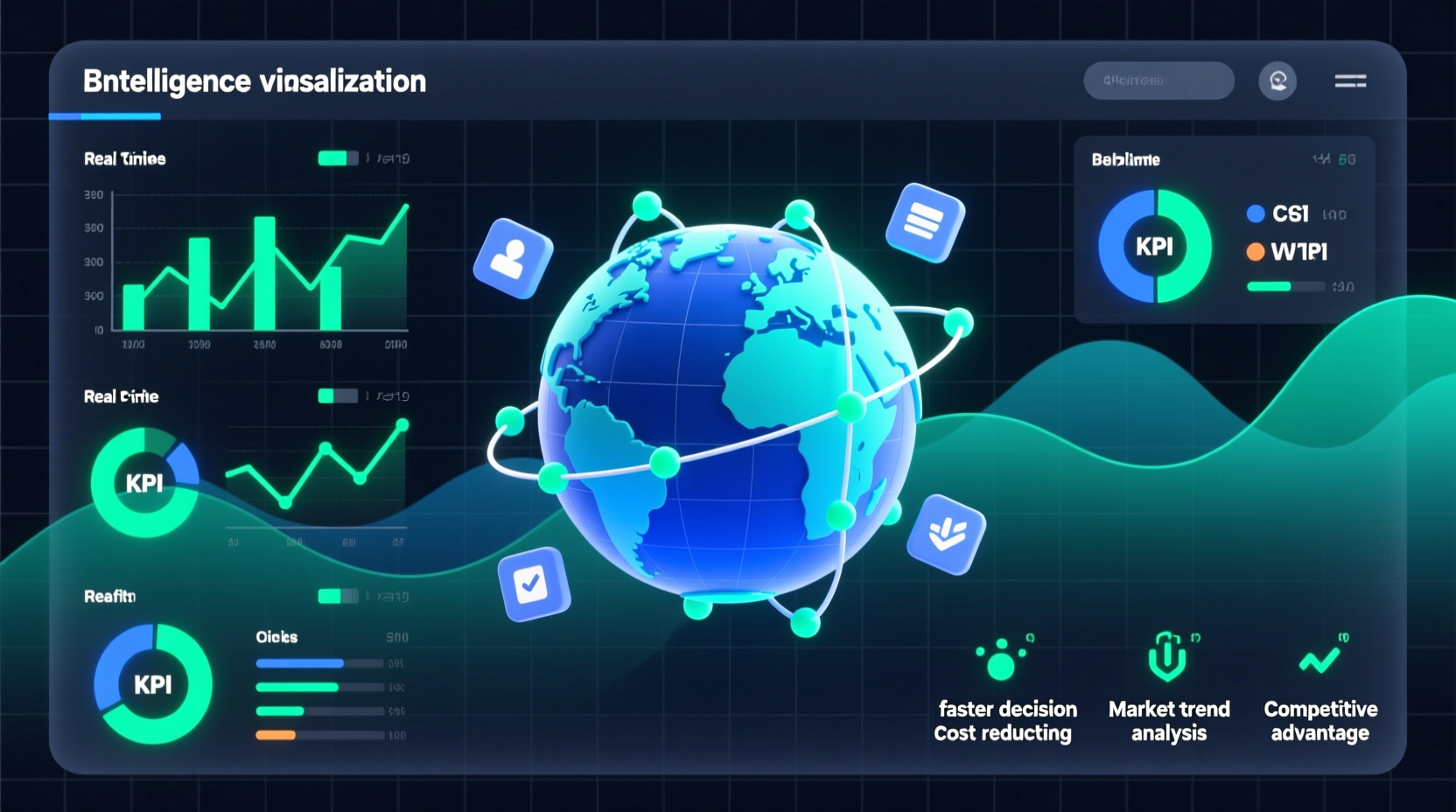
Business Intelligence refers to the technologies, processes, and tools used to collect, integrate, analyze, and present business data. It enables organizations to make informed decisions by providing real-time visibility into operations, customer behavior, financial health, and market dynamics. Unlike traditional reporting, which often focuses on historical summaries, BI combines descriptive analytics with predictive modeling and interactive dashboards to support forward-thinking strategies.
At its core, BI is not just about software—it's about culture. Companies that embrace BI foster data literacy, encourage cross-functional collaboration, and prioritize agility. Whether tracking sales performance, optimizing supply chains, or forecasting demand, BI equips leaders with the insights they need to act decisively.
Key Benefits of Business Intelligence
The value of BI extends far beyond generating charts and reports. When implemented effectively, it delivers measurable improvements across multiple dimensions of business performance.
- Improved Decision-Making: With access to accurate, timely data, managers can replace guesswork with insight. For example, a retail chain using BI might identify underperforming stores and adjust staffing or inventory accordingly.
- Increased Operational Efficiency: BI tools help uncover inefficiencies in workflows, procurement, and resource allocation. A logistics company could use route analysis to reduce fuel costs and delivery times.
- Enhanced Customer Understanding: By analyzing purchasing patterns, feedback, and engagement metrics, businesses can personalize marketing efforts and improve retention.
- Competitive Advantage: Organizations that detect market shifts early—such as emerging product trends or competitor moves—can respond faster and capture new opportunities.
- Financial Control and Forecasting: BI systems enable precise budgeting, revenue tracking, and risk assessment, helping CFOs anticipate cash flow needs and manage profitability.
Real-World Uses of Business Intelligence
BI is not confined to boardrooms or IT departments. Its applications span nearly every function within an organization. Below are practical examples of how different sectors use BI to achieve tangible results.
| Industry | Use Case | Outcome |
|---|---|---|
| Retail | Inventory optimization using sales trend analysis | Reduced overstock by 30%, improved turnover |
| Healthcare | Patient readmission tracking and prevention planning | Lowered hospital readmissions by 22% in six months |
| Banking | Fraud detection through anomaly monitoring | Cut fraudulent transactions by 40% |
| E-commerce | Customer segmentation for targeted email campaigns | Increased conversion rates by 18% |
| Manufacturing | Machine downtime analysis and maintenance scheduling | Boosted production uptime by 25% |
Mini Case Study: How a Mid-Sized SaaS Company Grew Revenue with BI
A software-as-a-service provider offering project management tools struggled with stagnant growth despite steady user acquisition. Leadership suspected churn was high but lacked concrete data. After implementing a BI platform integrated with their CRM and usage analytics, they discovered that users who didn’t complete onboarding within seven days were three times more likely to cancel.
Armed with this insight, the company redesigned its welcome email sequence and introduced in-app guidance. Within four months, onboarding completion rose from 47% to 76%, and annual churn dropped by 31%. This case illustrates how even simple BI interventions can yield significant returns when aligned with strategic goals.
“Data is the new oil, but only if refined. Business Intelligence is the refinery that turns raw information into strategic fuel.” — Dr. Anita Patel, Chief Analytics Officer at Stratify Insights
Building a Successful BI Strategy: A Step-by-Step Guide
Adopting BI isn’t just about buying software—it requires planning, alignment, and ongoing refinement. Follow these steps to ensure long-term success:
- Define Clear Objectives: Identify what you want to achieve—increased sales, reduced costs, better customer satisfaction—and align BI projects accordingly.
- Assess Data Readiness: Audit existing data sources for quality, accessibility, and integration potential. Cleanse inconsistent records and standardize formats.
- Select the Right Tools: Choose platforms that match your technical capabilities and scalability needs. Popular options include Microsoft Power BI, Tableau, and Looker.
- Start with High-Impact Areas: Pilot BI in departments where quick wins are possible, such as sales reporting or customer support metrics.
- Train Your Team: Invest in upskilling employees so they can interpret dashboards, ask the right questions, and act on findings.
- Iterate and Expand: Gather feedback, refine models, and gradually roll out BI to other areas based on proven value.
Common Pitfalls and How to Avoid Them
Even well-intentioned BI initiatives can fail without proper execution. Here are frequent challenges and ways to overcome them:
- Data Silos: When departments hoard information, BI loses accuracy. Break down barriers with centralized data warehouses and cross-functional ownership.
- Lack of User Adoption: Employees may resist new tools if they’re complex or irrelevant. Involve end-users early in design and emphasize ease of use.
- Overcomplicating Analysis: Not every decision requires deep statistical modeling. Prioritize simplicity and actionability.
- Ignoring Data Governance: Poor data quality undermines trust. Establish policies for data entry, updates, and security compliance.
FAQ
What’s the difference between Business Intelligence and Business Analytics?
Business Intelligence focuses on descriptive analytics—understanding what happened using dashboards and reports. Business Analytics goes further by applying statistical methods and predictive modeling to determine why something happened and what might happen next. BI is often considered a subset of the broader analytics discipline.
Do small businesses benefit from BI?
Absolutely. Modern cloud-based BI tools are affordable and scalable. Small businesses use BI to track cash flow, monitor marketing ROI, and understand customer preferences—often gaining disproportionate advantages due to their agility.
Is coding required to use BI tools?
Not necessarily. Most modern BI platforms offer drag-and-drop interfaces that allow non-technical users to build reports and visualizations. However, advanced customization or data modeling may require SQL or scripting knowledge.
Checklist: Launching Your BI Initiative
Use this checklist to stay on track as you implement BI in your organization:
- ✅ Define 2–3 primary business questions BI should answer
- ✅ Inventory all relevant data sources (CRM, ERP, spreadsheets, etc.)
- ✅ Evaluate at least three BI platforms based on usability and integration
- ✅ Secure buy-in from leadership and department heads
- ✅ Design initial dashboards focused on critical KPIs
- ✅ Train key stakeholders on interpreting and acting on insights
- ✅ Schedule monthly reviews to assess impact and refine approach
Conclusion
Business Intelligence is no longer a luxury reserved for large enterprises—it’s a necessity for any organization aiming to thrive in a competitive, fast-moving environment. The ability to turn data into decisions separates reactive companies from proactive leaders. Whether improving customer experiences, streamlining operations, or spotting new market opportunities, BI provides the clarity and confidence needed to move forward with purpose.




 浙公网安备
33010002000092号
浙公网安备
33010002000092号 浙B2-20120091-4
Comments
No comments yet. Why don't you start the discussion?