
Many people ask themselves, “Why can’t I control my emotions?” after reacting intensely to a minor setback, snapping at a loved one, or feeling overwhelmed by sadness without clear cause. These experiences are more than just occasional mood swings—they may signal emotional dysregulation, a condition where the brain struggles to manage emotional responses effectively. Far from being a personal failing, emotional dysregulation is a complex interplay of biology, psychology, and environment that impacts millions.
Understanding this condition begins with recognizing that emotions aren’t flaws to be suppressed but signals to be interpreted. When regulation breaks down, those signals become overwhelming, leading to distress and dysfunction. This article explores the roots of emotional dysregulation, its signs, contributing factors, and science-backed strategies for regaining balance.
What Is Emotional Dysregulation?
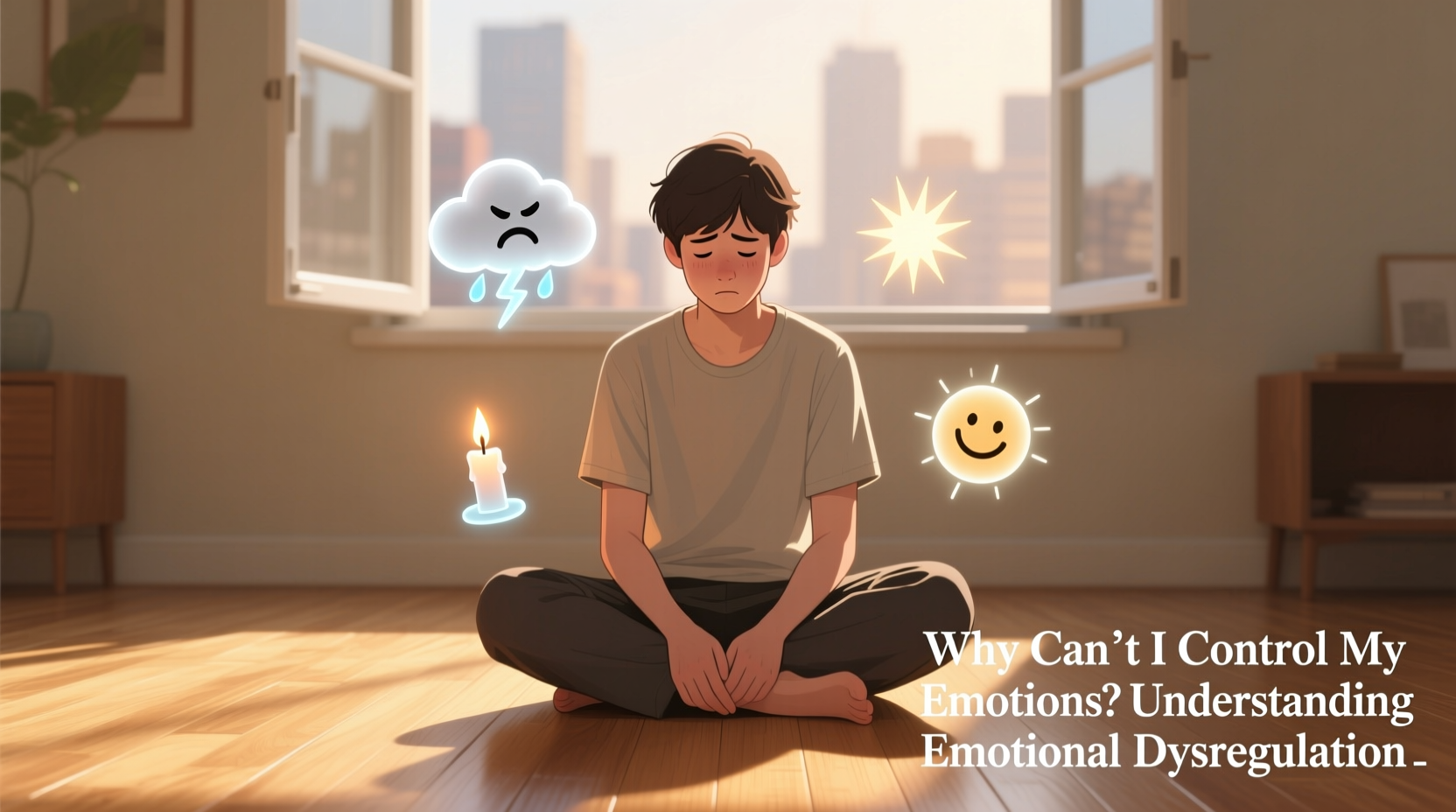
Emotional dysregulation refers to the inability to manage the intensity and duration of negative emotions such as anger, sadness, anxiety, or frustration. While everyone experiences strong emotions occasionally, individuals with emotional dysregulation often find it difficult to return to emotional baseline after being triggered. Their reactions may seem disproportionate to the situation, and recovery takes longer than expected.
This isn’t about willpower or discipline. It’s about neurological and psychological patterns that influence how we process emotional stimuli. The prefrontal cortex—responsible for rational thinking and impulse control—can become overwhelmed by signals from the amygdala, the brain’s emotional alarm system. When communication between these regions is impaired, emotional regulation falters.
Common Signs and Symptoms
Recognizing emotional dysregulation starts with identifying its patterns. Common indicators include:
- Intense emotional reactions to small stressors
- Difficulty calming down once upset
- Impulsive behaviors during emotional peaks (e.g., yelling, self-harm, substance use)
- Chronic feelings of emptiness or emotional numbness
- Frequent mood swings
- Strained relationships due to emotional volatility
- Rumination or obsessive thinking after emotional events
These symptoms often overlap with conditions like borderline personality disorder (BPD), PTSD, ADHD, and depression, but emotional dysregulation can also exist independently, especially in response to chronic stress or trauma.
Root Causes: Why Emotional Control Feels Out of Reach
Several interconnected factors contribute to emotional dysregulation. Understanding them helps shift the focus from blame to healing.
1. Early Life Experiences
Childhood adversity—such as neglect, abuse, or inconsistent caregiving—can disrupt the development of emotional regulation skills. Children learn to regulate emotions through co-regulation with caregivers. Without consistent emotional support, the nervous system may remain hyper-vigilant into adulthood.
2. Neurological Factors
Brain imaging studies show that individuals with emotional dysregulation often have heightened amygdala activity and reduced connectivity between the amygdala and prefrontal cortex. This means stronger emotional reactions and weaker top-down control.
3. Mental Health Conditions
Disorders like BPD, bipolar disorder, and complex PTSD are closely linked to emotional dysregulation. For example, Marsha Linehan, developer of Dialectical Behavior Therapy (DBT), describes BPD as fundamentally a disorder of emotional regulation.
“People with emotional dysregulation aren’t broken—they’ve simply learned survival strategies in environments where emotions were dangerous or invalidated.” — Dr. Alan Fruzzetti, Clinical Psychologist
4. Chronic Stress and Burnout
Prolonged exposure to stress floods the body with cortisol, impairing the brain’s ability to regulate emotions. Over time, even minor frustrations can trigger fight-or-flight responses.
Practical Strategies for Regaining Balance
Emotional regulation is a skill—not an innate trait—and it can be developed with practice. The following approaches are supported by clinical research and real-world effectiveness.
Step-by-Step Guide: Calming the Nervous System During Emotional Peaks
- Pause and Name the Emotion: Say to yourself, “I’m feeling [angry/sad/overwhelmed].” Naming reduces amygdala activation.
- Use Grounding Techniques: Try the 5-4-3-2-1 method: Identify 5 things you see, 4 you can touch, 3 you hear, 2 you smell, and 1 you taste.
- Regulate Breathing: Inhale for 4 counts, hold for 4, exhale for 6. Extended exhalation activates the parasympathetic nervous system.
- Delay Reaction: Wait 15–30 minutes before responding to a triggering event. Use this time to journal or walk.
- Reframe Thoughts: Ask, “Is this thought helpful? What would I say to a friend in this situation?”
Do’s and Don’ts of Managing Emotional Dysregulation
| Do | Don’t |
|---|---|
| Practice mindfulness or meditation daily | Suppress or deny emotions |
| Seek therapy, especially DBT or CBT | Isolate yourself when distressed |
| Maintain regular sleep and exercise | Use alcohol or drugs to numb feelings |
| Communicate needs using “I feel” statements | Engage in self-criticism or shame spirals |
| Build a support network of trusted people | Assume emotional instability is permanent |
Real-Life Example: Maria’s Journey
Maria, a 32-year-old project manager, frequently found herself in tears during team meetings when receiving feedback. She’d later regret sending sharp emails and withdrawing from colleagues. After months of internal struggle, she sought therapy and was introduced to DBT skills. Through weekly sessions and daily practice, Maria learned to identify her fear of failure as the root of her reactivity. Using distress tolerance and emotion regulation worksheets, she began pausing before reacting. Within six months, her relationships improved, and she reported feeling “more in charge” of her emotional life.
Her story reflects a common truth: emotional dysregulation is not a life sentence. With the right tools, change is possible.
Checklist: Building Your Emotional Regulation Toolkit
- ✅ Identify your top three emotional triggers
- ✅ Learn one grounding technique and practice it daily
- ✅ Schedule a therapy consultation or support group meeting
- ✅ Establish a nightly wind-down routine to improve sleep
- ✅ Practice one act of self-compassion each day (e.g., positive self-talk)
- ✅ Track emotional patterns in a journal for two weeks
- ✅ Share your goals with a trusted friend for accountability
Frequently Asked Questions
Can emotional dysregulation be cured?
While “cured” may not be the right term, emotional dysregulation can be significantly improved. Many people achieve long-term stability through therapy, lifestyle changes, and skill-building. Recovery is about management and growth, not perfection.
Is emotional dysregulation a sign of weakness?
No. It’s often a sign of having survived challenging circumstances. The brain adapts to protect itself, even if those adaptations become maladaptive later. Seeking help is a sign of strength, not weakness.
Can medication help with emotional dysregulation?
In some cases, yes. While no medication directly treats dysregulation, antidepressants, mood stabilizers, or anti-anxiety drugs may help manage underlying conditions like depression or PTSD, making therapeutic work more effective.
Taking the First Step Toward Emotional Mastery
Struggling to control your emotions doesn’t mean you’re broken or flawed. It means you’re human, and possibly carrying invisible weight from past experiences or biological predispositions. The good news is that emotional regulation can be learned at any stage of life. Whether through professional therapy, mindfulness practices, or simple daily habits, progress is within reach.
Start small. Notice one emotion this week without judgment. Breathe through one moment of tension. Reach out to someone who understands. Each step builds resilience. You don’t need to transform overnight—just move forward with intention.




 浙公网安备
33010002000092号
浙公网安备
33010002000092号 浙B2-20120091-4
Comments
No comments yet. Why don't you start the discussion?