
Undergoing surgery is a significant event that requires careful preparation. One of the most common preoperative instructions patients receive is to avoid eating or drinking — including water — for several hours before the procedure. While this rule may seem overly cautious or even inconvenient, it plays a crucial role in patient safety. Understanding the medical reasoning behind this directive helps reduce anxiety and ensures compliance, ultimately lowering the risk of serious complications.
The Science Behind Fasting Before Surgery
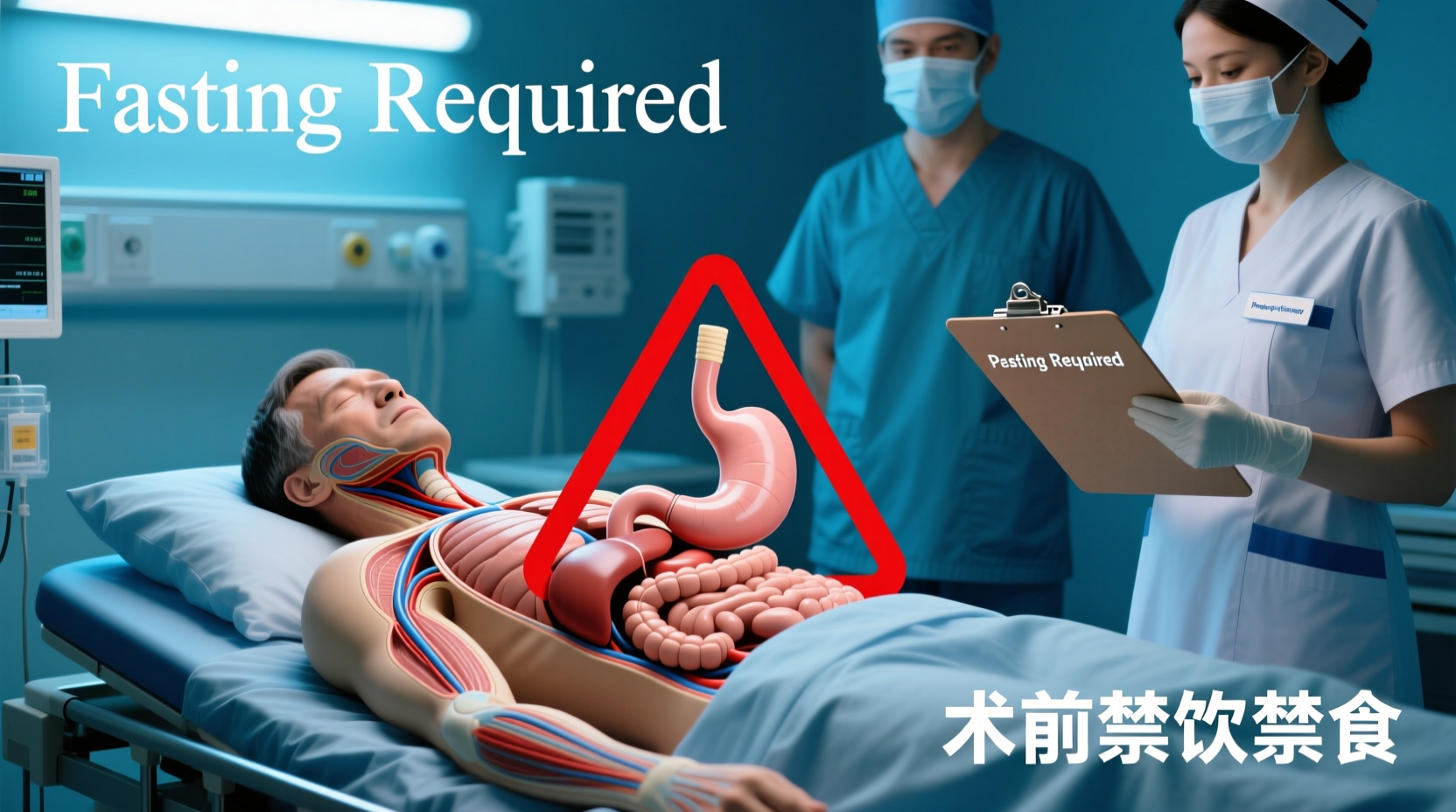
When general anesthesia is administered, your body’s natural reflexes are temporarily suppressed. This includes the gag reflex, which normally prevents food or liquid from entering the lungs when you swallow. Under anesthesia, this protective mechanism is inactive. If your stomach contains food or liquid during surgery, there's a risk of regurgitation or aspiration — when stomach contents flow back into the esophagus and potentially enter the airway and lungs.
Aspiration can lead to aspiration pneumonia, a serious condition that causes inflammation, infection, and breathing difficulties. Even small amounts of fluid like water can pose a danger under anesthesia because they can be inhaled silently without coughing or choking.
“Fasting before surgery isn’t about tradition — it’s a critical safeguard. The presence of gastric contents increases the risk of pulmonary aspiration, which remains one of the leading causes of anesthesia-related morbidity.” — Dr. Alan Reyes, Anesthesiologist and Patient Safety Advocate
Risks of Drinking Water Before Surgery
While water might seem harmless compared to solid foods, consuming it too close to surgery still carries measurable risks:
- Pulmonary aspiration: Inhaling stomach contents into the lungs, leading to chemical pneumonitis or bacterial infection.
- Delayed gastric emptying: Some individuals process liquids more slowly due to medications, diabetes, or gastrointestinal disorders, increasing the window of risk.
- Emergency intubation complications: If rapid induction is needed, a full stomach limits options and increases danger.
- Surgical delays or cancellations: Violating fasting rules may result in postponement to ensure safety.
Even sipping water \"just to moisten the throat\" can introduce enough volume to compromise safety under anesthesia. Modern protocols are designed not to inconvenience patients but to prevent rare yet life-threatening events.
Official Fasting Guidelines by Procedure Type
Not all surgeries require the same restrictions. Guidelines vary based on the type of anesthesia and procedure. The American Society of Anesthesiologists (ASA) provides evidence-based recommendations widely adopted in clinical settings.
| Item Consumed | Type of Fluid/Food | Minimum Fasting Time |
|---|---|---|
| Clear liquids (water, black coffee, apple juice) | Non-alcoholic, no pulp or milk | 2 hours |
| Breast milk | Infants | 4 hours |
| Infant formula or light meal | Toast, tea with honey, etc. | 6 hours |
| Heavy meals (fried foods, meat) | Fatty or protein-rich foods | 8 hours |
Note: These are general standards. Your surgical team may impose stricter rules depending on your health history, age, or specific procedure. Always follow the instructions provided by your hospital or surgeon.
Step-by-Step: What to Do in the 24 Hours Before Surgery
Preparation begins well before the morning of surgery. Following a structured timeline improves outcomes and reduces last-minute stress.
- 72 hours before: Confirm fasting instructions with your surgical coordinator. Ask questions if anything is unclear.
- 24 hours before: Stock up on non-perishable items and prepare easy-to-store meals post-surgery. Avoid alcohol.
- 12 hours before: Finish all solid foods by midnight if instructed. Begin mental preparation.
- 6 hours before: Stop consuming milk, thick liquids, or soft foods unless approved.
- 2 hours before: Cease all intake of clear liquids. Brush teeth without swallowing water.
- Arrival at facility: Disclose any accidental consumption immediately — honesty ensures proper risk assessment.
“Patients sometimes feel guilty about sipping water, but our priority is safety. Tell us the truth so we can adjust the plan if needed.” — Nurse Linda Cho, Preoperative Assessment Unit
Real Example: A Preventable Complication
Mark, a 45-year-old office worker, was scheduled for laparoscopic gallbladder removal. Nervous and dehydrated from early morning nausea, he drank half a glass of water two hours before arriving at the hospital. He didn’t think it mattered since it was “just water.”
During anesthesia induction, Mark aspirated a small amount of fluid. He developed mild aspiration pneumonia and required an extended hospital stay of three additional days. His recovery was complicated by fever and chest pain. Afterward, the anesthesiologist explained that had he waited just one more hour, his stomach would have been sufficiently empty. Mark later admitted he wished he’d known the real stakes.
This case underscores how seemingly minor choices can have serious consequences — and why transparency with medical staff is essential.
Do’s and Don’ts Before Surgery
| Do’s | Don’ts |
|---|---|
| Follow your provider’s fasting instructions exactly | Drink water, tea, or juice within 2 hours of surgery (unless permitted) |
| Brush teeth or rinse mouth without swallowing | Chew gum, suck on candy, or use breath mints |
| Take prescribed medications with a tiny sip of water if approved | Assume all medications are safe to take pre-op |
| Arrive early and report any food/drink consumed | Hide accidental intake out of fear of cancellation |
Frequently Asked Questions
Can I drink water if I’m really thirsty?
No, not within the restricted timeframe (usually 2 hours before surgery). Thirst is uncomfortable but temporary. The risk of aspiration outweighs momentary relief. Use oral swabs or lip moisturizer instead.
What counts as a clear liquid?
Clear liquids include water, unsweetened tea, black coffee (no cream), clear broths, apple juice (no pulp), and sports drinks like Gatorade (light colors preferred). Anything you can see through is generally acceptable — but only up to two hours before anesthesia.
Why do some people get exceptions?
Some newer protocols allow carbohydrate-rich drinks up to two hours before surgery for certain patients. These are part of Enhanced Recovery After Surgery (ERAS) programs and must be doctor-approved. Never self-prescribe.
Final Checklist: Staying Safe Before Surgery
- ✅ Review fasting instructions with your surgical team
- ✅ Mark the cutoff time for food and liquids on your calendar
- ✅ Prepare alternatives for dry mouth (lip balm, cotton swabs)
- ✅ Confirm which medications to take and how (with minimal water if allowed)
- ✅ Inform staff immediately if you consume anything accidentally
Conclusion: Prioritize Safety Over Convenience
Avoiding water before surgery isn’t arbitrary — it’s a vital component of patient safety rooted in decades of medical research. While the rules may feel restrictive, they exist to protect you from rare but serious complications. By understanding the reasons behind preoperative fasting and following guidelines precisely, you actively contribute to a smoother, safer surgical experience.




 浙公网安备
33010002000092号
浙公网安备
33010002000092号 浙B2-20120091-4
Comments
No comments yet. Why don't you start the discussion?