
It’s a familiar feeling: shifting positions on the couch, adjusting your pillow for the tenth time, or pacing around the house without knowing why you can’t settle. You’re not alone. Millions of people struggle with an elusive sense of comfort—both physically and mentally. The inability to relax isn’t just about a bad mattress or noisy environment; it often stems from deeper physiological, psychological, and lifestyle factors. Understanding these root causes is the first step toward lasting relief.
The Hidden Causes of Discomfort
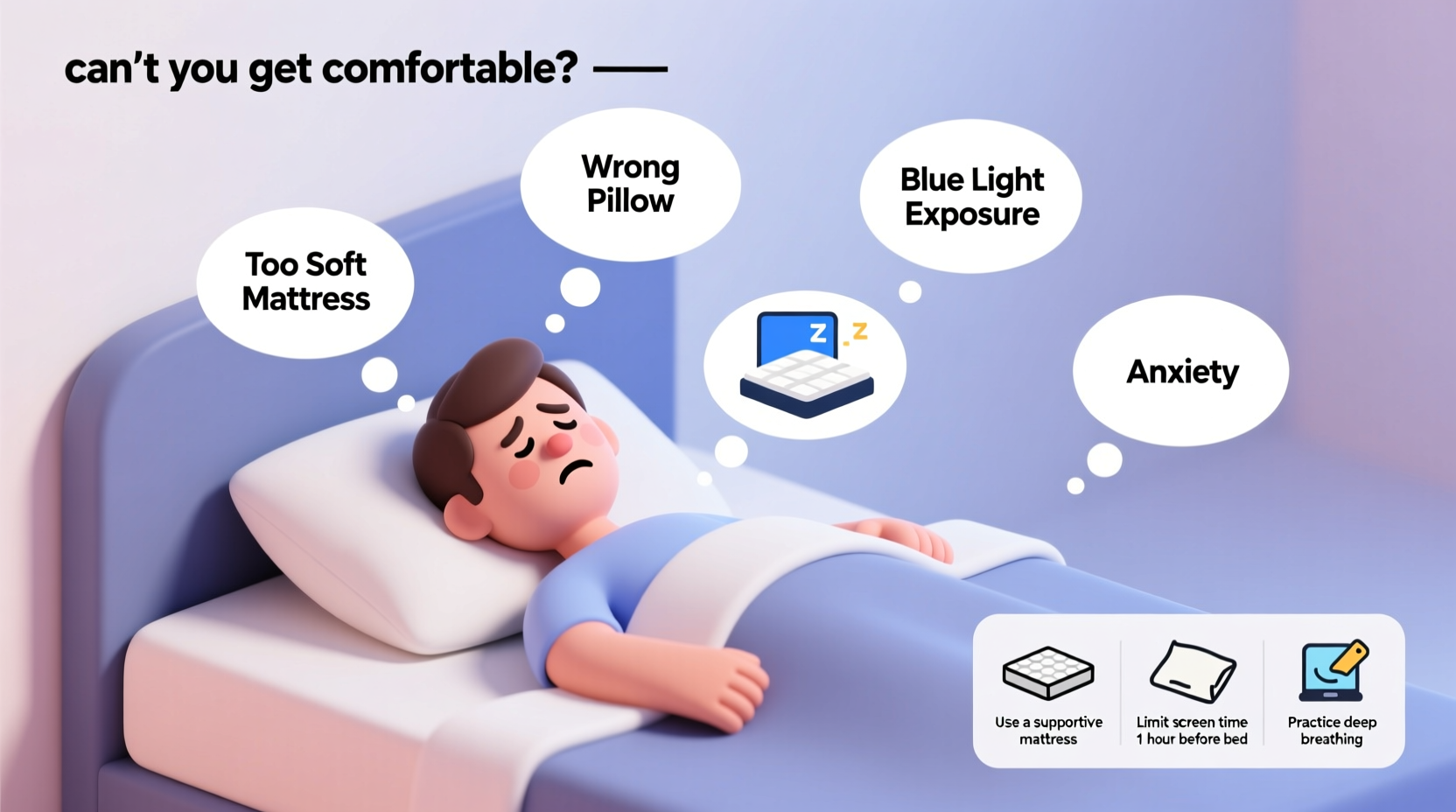
Discomfort isn’t always obvious. It doesn’t have to come from pain or injury. Sometimes, it’s a low-grade restlessness, a nagging tension in the shoulders, or a mind that won’t shut off. These subtle signals point to underlying imbalances in your body, nervous system, or daily habits.
One of the most overlooked contributors is chronic stress. When your sympathetic nervous system stays activated—due to work pressure, financial worries, or emotional strain—it keeps your body in “fight-or-flight” mode. This state increases muscle tension, heart rate, and cortisol levels, making true relaxation nearly impossible.
Another common factor is poor posture. Many people spend hours slouched over desks or phones, leading to misalignment in the spine and strained muscles. Over time, this creates persistent discomfort that resists quick fixes like stretching or massage.
Physical vs. Mental Discomfort: Know the Difference
Physical discomfort usually has identifiable sources—tight hamstrings, a stiff neck, worn-out shoes. But mental discomfort is trickier. It manifests as irritability, racing thoughts, or a general feeling of unease even when nothing seems wrong.
Dr. Lena Torres, a neurologist specializing in psychosomatic medicine, explains:
“Many patients report physical symptoms like back pain or headaches, but their real issue is unresolved anxiety or emotional suppression. The body becomes the voice of unspoken stress.” — Dr. Lena Torres, MD, Neurology & Behavioral Health
This interplay between mind and body means that treating only one side rarely brings full relief. A holistic approach—addressing both physical alignment and mental patterns—is essential.
Common Reasons You Can’t Get Comfortable
- Poor sleep hygiene: Inconsistent bedtimes, screen exposure before sleep, or an uncomfortable bedroom environment disrupt restorative rest.
- Diet and hydration: Dehydration causes muscle cramps and fatigue. Excess caffeine or sugar spikes energy followed by crashes that leave you jittery and tense.
- Sedentary lifestyle: Sitting too long leads to tight hips, weak glutes, and poor circulation—all contributing to bodily discomfort.
- Overstimulation: Constant notifications, loud environments, and visual clutter keep your nervous system on high alert.
- Unresolved emotions: Grief, frustration, or suppressed anger can manifest as physical tension, especially in the jaw, chest, or abdomen.
Helpful Tricks to Regain Comfort
Comfort isn’t passive. It’s something you cultivate through intentional choices. Below are practical strategies backed by physiology and psychology.
1. Reset Your Nervous System with Breathwork
Controlled breathing activates the parasympathetic nervous system—the “rest-and-digest” mode. Try this simple exercise:
- Sit comfortably with feet flat on the floor.
- Inhale slowly through your nose for 4 seconds.
- Hold the breath for 4 seconds.
- Exhale gently through your mouth for 6 seconds.
- Repeat for 5–7 cycles.
This technique lowers heart rate and reduces cortisol, helping your body transition into a relaxed state.
2. Optimize Your Environment
Your surroundings directly influence how at ease you feel. Use this checklist to assess and improve your space:
- Reduce ambient noise with soft music or white noise.
- Adjust lighting—use warm, dimmable lights in the evening.
- Declutter surfaces to minimize visual stress.
- Add supportive cushions or ergonomic furniture.
- Introduce calming scents like lavender or sandalwood (via diffuser or candle).
3. Move with Purpose, Not Pressure
Gentle movement resets muscle tone and improves circulation. Instead of intense workouts, try micro-movements throughout the day:
- Neck rolls and shoulder shrugs every hour.
- Standing calf raises while brushing teeth.
- Seated spinal twists during TV commercials.
- Walking barefoot on grass or carpet for sensory grounding.
Do’s and Don’ts: Quick Reference Table
| Do | Don’t |
|---|---|
| Use a lumbar pillow when sitting | Slouch on soft, unsupported couches |
| Drink water consistently throughout the day | Consume large amounts of caffeine after 2 PM |
| Practice progressive muscle relaxation before bed | Lie in bed awake for more than 20 minutes |
| Take short walks after meals | Sit for more than 90 minutes without moving |
| Journal thoughts before sleep | Scroll social media in bed |
A Real-Life Example: Sarah’s Turnaround
Sarah, a 34-year-old graphic designer, spent months feeling “on edge” despite no major life stressors. She couldn’t sit still, shifted constantly in her chair, and woke up with jaw pain. After visiting a physical therapist, she discovered her pelvis was tilted forward due to prolonged sitting, causing lower back strain. Her dentist noted she was clenching her jaw at night—likely from subconscious stress.
She began a routine: 10 minutes of diaphragmatic breathing each morning, standing desk intervals, evening walks, and a bedtime ritual of journaling and herbal tea. Within three weeks, her muscle tension decreased, and she reported finally feeling “settled” in her body.
Step-by-Step Guide to Daily Comfort
Follow this timeline to build sustainable comfort into your routine:
- 7:00 AM – Wake with intention: Avoid checking your phone immediately. Stretch in bed for 2 minutes—reach arms overhead, hug knees to chest.
- 8:30 AM – Hydrate: Drink a glass of water with a pinch of salt for electrolyte balance.
- 12:00 PM – Midday reset: Step outside for 5 minutes. Breathe deeply and observe your surroundings without judgment.
- 4:00 PM – Release tension: Do a 3-minute stretch sequence: forward fold, cat-cow, shoulder rolls.
- 8:00 PM – Wind down: Dim lights, switch to warm-toned screens, and sip chamomile tea.
- 10:00 PM – Prepare for sleep: Write down any lingering thoughts. Practice 4-4-6 breathing until drowsy.
Frequently Asked Questions
Why do I feel restless even when I’m tired?
This paradox is common. Physical exhaustion paired with mental hyperactivity—often due to chronic stress or poor sleep quality—can make relaxation difficult. Your body is tired, but your brain remains alert. Addressing both sleep hygiene and stress management is key.
Can clothing really affect comfort?
Absolutely. Tight waistbands, restrictive collars, or synthetic fabrics can restrict circulation and trap heat, triggering discomfort. Opt for breathable, loose-fitting clothes made from natural fibers like cotton or bamboo, especially at home.
Is it normal to never feel fully comfortable?
No. While occasional discomfort is normal, a persistent inability to relax may signal deeper issues such as anxiety disorders, chronic pain conditions, or autonomic dysfunction. If self-care doesn’t help within a few weeks, consult a healthcare provider.
Final Thoughts: Comfort Is a Practice
Comfort isn’t a destination—it’s a daily practice of tuning in. It requires awareness, small consistent actions, and compassion for your body’s signals. You don’t need a luxury spa or perfect conditions to feel at ease. Start with one breath, one adjustment, one mindful moment. Over time, these choices accumulate into a deeper sense of calm and belonging in your own skin.




 浙公网安备
33010002000092号
浙公网安备
33010002000092号 浙B2-20120091-4
Comments
No comments yet. Why don't you start the discussion?