
Losing weight is often portrayed as a simple equation: eat less, move more. But for many people, the reality is far more complex. Despite cutting calories, increasing exercise, and following trendy diets, the scale refuses to budge. This frustration is real—and common. The truth is, weight loss resistance stems from a combination of metabolic, behavioral, hormonal, and environmental factors that go beyond willpower. Understanding these underlying causes is the first step toward making lasting progress.
Metabolic Adaptation: Your Body Fights Back
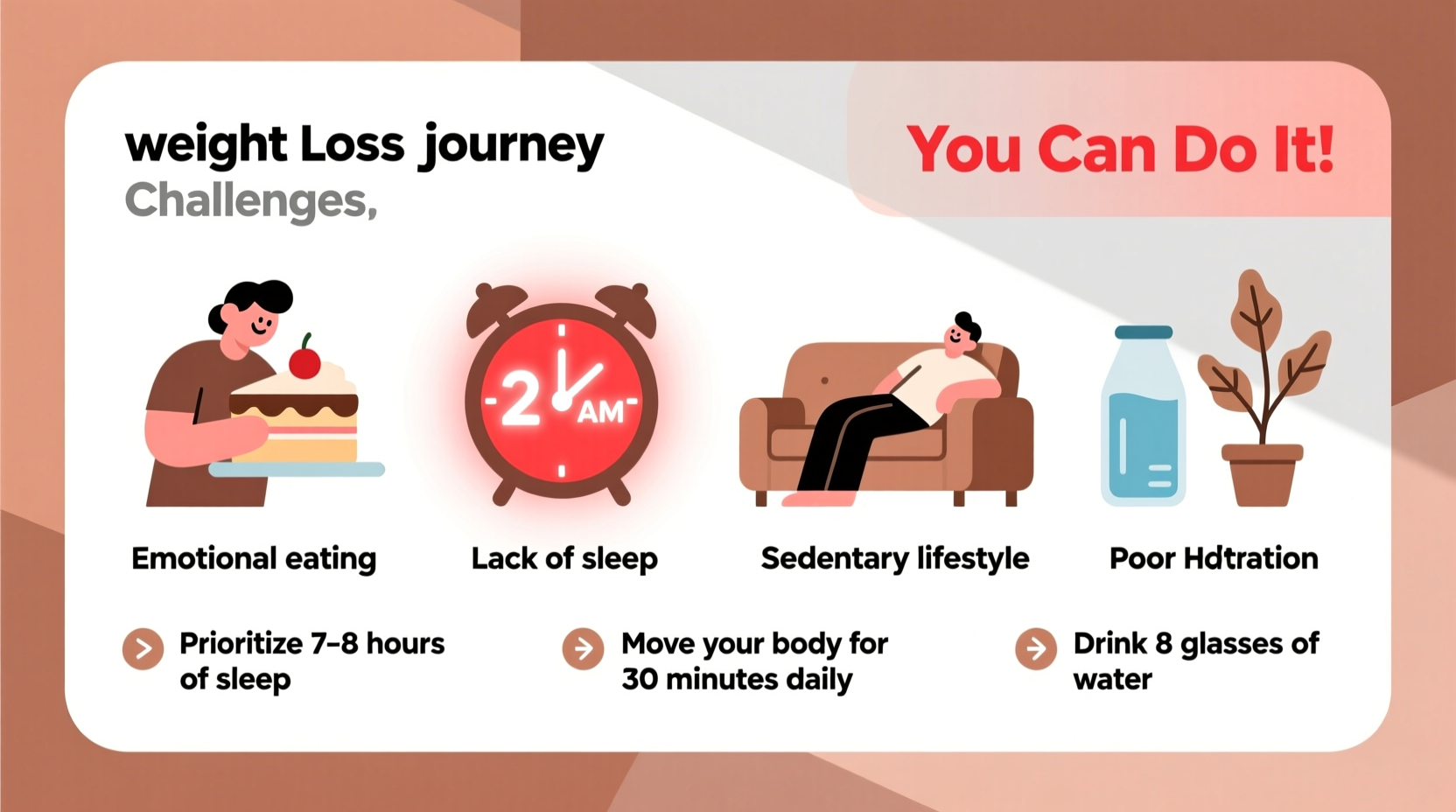
When you reduce calorie intake over time, your body adapts by slowing down metabolism—a survival mechanism known as adaptive thermogenesis. This means you burn fewer calories at rest, making further weight loss increasingly difficult. Research shows this effect can persist even after weight regain, which explains why maintaining weight loss is so challenging.
This adaptation is especially pronounced in individuals who have yo-yo dieted or lost significant weight rapidly. The body interprets calorie restriction as a threat and activates mechanisms to conserve energy, including lowering levels of leptin (the satiety hormone) and increasing ghrelin (the hunger hormone).
Hormonal Imbalances That Sabotage Weight Loss
Hormones play a central role in regulating appetite, fat storage, and energy use. Several imbalances can make weight loss feel nearly impossible:
- Insulin resistance: High insulin levels promote fat storage, particularly around the abdomen. Common in prediabetes and PCOS.
- Leptin resistance: Even with high body fat, the brain doesn’t receive signals to stop eating.
- Cortisol excess: Chronic stress elevates cortisol, which increases appetite and encourages visceral fat accumulation.
- Thyroid dysfunction: Hypothyroidism slows metabolism and causes fatigue, water retention, and weight gain.
If you're struggling despite healthy habits, consider lab testing. A simple blood panel can reveal issues like low TSH, elevated fasting insulin, or abnormal cortisol rhythms.
“Weight loss resistance isn’t laziness—it’s often a sign of underlying metabolic or endocrine dysfunction.” — Dr. Sarah Thompson, Endocrinologist
Common Behavioral and Lifestyle Mistakes
Even with good intentions, everyday habits can undermine weight loss efforts. These subtle behaviors are easy to overlook but powerful in their impact:
| Mistake | Impact | Solution |
|---|---|---|
| Underestimating calorie intake | Frequent small snacks add up to 500+ extra calories/day | Track food using an app for at least one week |
| Overestimating physical activity | Walking 10K steps burns ~300 calories—easily offset by one muffin | Focus on non-scale victories like endurance or strength gains |
| Poor sleep quality | Disrupts hunger hormones and reduces motivation | Aim for 7–9 hours; establish a consistent bedtime routine |
| Chronic dehydration | Thirst mistaken for hunger; reduced metabolic efficiency | Drink half your body weight (lbs) in ounces daily |
Step-by-Step Guide to Breaking Through a Plateau
If you've hit a wall, don’t give up. Follow this structured approach to identify and address the root causes:
- Reassess your calorie needs: As you lose weight, your maintenance calories decrease. Use a calculator to update your targets.
- Adjust macronutrient balance: Increase protein to 1.6–2.2g per kg of body weight to preserve muscle and boost satiety.
- Introduce strength training: Build lean mass to increase resting metabolic rate. Aim for 2–3 sessions per week.
- Manage stress and sleep: Practice mindfulness, limit screen time before bed, and maintain a cool, dark sleeping environment.
- Take a diet break: Spend 1–2 weeks eating at maintenance calories to reset hormones and improve adherence long-term.
Mini Case Study: Maria’s Turnaround After Years of Struggle
Maria, 42, had tried every diet from keto to intermittent fasting. She exercised five days a week and tracked every bite, yet couldn’t lose more than 5 pounds. After months of stagnation, she consulted a functional medicine practitioner. Blood work revealed subclinical hypothyroidism and insulin resistance.
With medication for her thyroid and dietary changes—reducing refined carbs, increasing fiber, and timing meals earlier in the day—she finally began losing weight steadily. Combined with better sleep and stress management techniques, she lost 18 pounds over six months and kept it off.
Her story highlights a crucial point: sometimes, the obstacle isn’t effort—it’s physiology.
Checklist: What to Do When Weight Loss Stalls
Use this actionable checklist to troubleshoot and reignite progress:
- ✅ Get blood work done (TSH, free T3/T4, fasting insulin, HbA1c, vitamin D)
- ✅ Track food accurately for 7 days (use a scale if possible)
- ✅ Evaluate sleep quality and duration
- ✅ Reduce processed foods and added sugars
- ✅ Incorporate resistance training 2–3x/week
- ✅ Manage stress through meditation, walking, or journaling
- ✅ Consider a 10–14 day diet break at maintenance calories
- ✅ Recheck measurements and how clothes fit—not just the scale
Frequently Asked Questions
Why am I not losing weight even though I’m eating 1,200 calories a day?
Consuming too few calories can backfire by slowing metabolism and triggering hormonal shifts that increase hunger and fat storage. Additionally, accurate tracking is rare—many underestimate portions or miss hidden calories in drinks and condiments. Long-term, such low intake is unsustainable and may lead to muscle loss, which further reduces metabolic rate.
Can certain medications cause weight gain or prevent weight loss?
Yes. Common medications like antidepressants (e.g., SSRIs), beta-blockers, corticosteroids, and some diabetes drugs (like insulin or sulfonylureas) can promote weight gain or hinder fat loss. If you suspect your medication is a factor, discuss alternatives with your doctor—never discontinue without medical advice.
Is it possible to be “skinny fat” and still struggle to lose weight?
Absolutely. People with normal BMI but high body fat and low muscle mass (often called metabolically obese normal weight) can face the same metabolic challenges as those with higher BMIs. They may appear thin but still have insulin resistance, poor energy levels, and difficulty reshaping their body composition. Strength training and protein intake are key here.
Conclusion: Sustainable Change Over Quick Fixes
Weight loss resistance is rarely about lack of discipline. It’s a signal that something deeper needs attention—whether it’s undiagnosed health conditions, outdated habits, or unsustainable routines. Lasting change comes not from stricter diets, but from smarter, individualized strategies that honor your biology and lifestyle.
Start by listening to your body. Address sleep, stress, and nutrition with compassion, not punishment. Seek professional guidance when needed. Progress may be slow, but it will be sustainable. Small, consistent actions compound into transformative results.




 浙公网安备
33010002000092号
浙公网安备
33010002000092号 浙B2-20120091-4
Comments
No comments yet. Why don't you start the discussion?