
Struggling to have a bowel movement is more than just inconvenient—it can be painful, frustrating, and even affect your mood and energy levels. While occasional difficulty passing stool is normal, persistent issues may signal an underlying problem. Constipation affects millions of people worldwide, yet many suffer in silence or resort to ineffective solutions. Understanding the root causes and knowing how to respond effectively can make a significant difference in digestive health and overall well-being.
What Is Constipation—and When Should You Be Concerned?
Medically, constipation is defined as having fewer than three bowel movements per week. However, frequency isn’t the only indicator. Symptoms include hard or lumpy stools, straining during bowel movements, a sensation of incomplete evacuation, and bloating. If these symptoms persist for more than a few weeks or are accompanied by severe pain, blood in the stool, or unexplained weight loss, it’s time to consult a healthcare provider.
Short-term constipation is usually harmless and resolves with lifestyle adjustments. But chronic constipation—lasting several weeks or recurring frequently—can impact quality of life and may point to conditions such as irritable bowel syndrome (IBS), hypothyroidism, or pelvic floor dysfunction.
Common Causes of Constipation
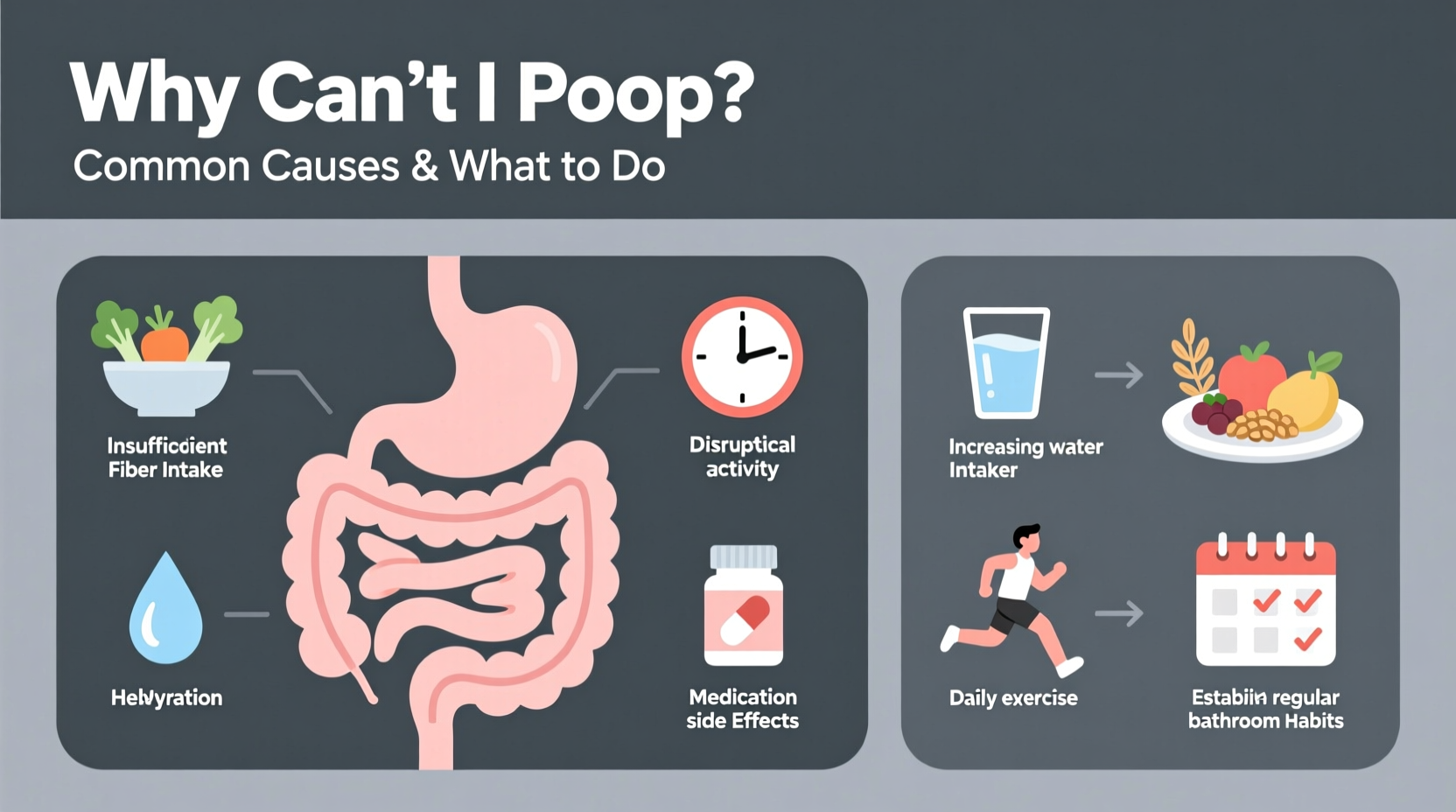
Constipation rarely has a single cause. Instead, it results from a combination of lifestyle, dietary, and physiological factors. Below are some of the most frequent contributors:
- Inadequate fiber intake: A diet low in fruits, vegetables, whole grains, and legumes slows digestion.
- Dehydration: Without enough water, the colon absorbs too much fluid from waste, making stool dry and hard.
- Lack of physical activity: Sedentary lifestyles reduce intestinal motility.
- Ignoring the urge: Delaying bowel movements disrupts natural reflexes over time.
- Medications: Opioids, certain antidepressants, antacids with calcium or aluminum, and iron supplements are common culprits.
- Hormonal imbalances: Conditions like diabetes, pregnancy, and hypothyroidism alter gut function.
- Structural issues: Intestinal blockages, rectal prolapse, or strictures can physically impede stool passage.
- Stress and mental health: Anxiety and depression influence the gut-brain axis, slowing digestion.
“Chronic constipation is often multifactorial. It's not just about fiber—it's hydration, movement, timing, and sometimes deeper medical evaluation.” — Dr. Lena Torres, Gastroenterologist
Effective Remedies and What to Do Right Now
The approach to relieving constipation depends on severity and duration. For recent or mild cases, immediate action can restore regularity within hours or days.
Step-by-Step Guide to Relieve Constipation
- Hydrate immediately: Drink 1–2 glasses of warm water. Warm liquids may stimulate the gastrocolic reflex, prompting bowel activity.
- Eat high-fiber foods: Opt for prunes, kiwi, apples with skin, chia seeds, or oatmeal. Prunes contain sorbitol, a natural laxative.
- Move your body: A brisk 20-minute walk increases intestinal contractions.
- Try gentle abdominal massage: Use circular motions starting in the lower right abdomen, moving up and across. This follows the path of the colon.
- Consider an over-the-counter aid: Options include polyethylene glycol (MiraLAX), magnesium citrate, or a glycerin suppository if stool is impacted near the rectum.
Avoid stimulant laxatives like senna or bisacodyl for daily use—they can lead to dependency. Reserve them for short-term relief under guidance.
Long-Term Prevention Strategies
Preventing recurrence requires sustainable habits. The goal is to support natural bowel rhythm without reliance on medication.
| Do | Don’t |
|---|---|
| Drink at least 8 cups of water daily | Consume excessive caffeine or alcohol (both dehydrate) |
| Eat 25–30g of fiber daily from whole foods | Rely solely on fiber supplements without fluids |
| Exercise regularly—aim for 150 minutes weekly | Sit for prolonged periods without breaks |
| Establish a bathroom routine (e.g., after breakfast) | Ignore bowel urges due to inconvenience |
| Manage stress through mindfulness or breathing exercises | Use the toilet as a place for reading or phone use |
Mini Case Study: Sarah’s Turnaround
Sarah, a 34-year-old office worker, experienced constipation for months. She drank little water, ate mostly processed foods, and spent eight hours a day seated. After consulting her doctor, she started drinking herbal teas in the morning, added lentils and berries to her meals, and took a 15-minute walk after lunch. Within two weeks, her bowel movements normalized. “I didn’t realize how much sitting was slowing me down,” she said. “Now I set a timer to stand every hour.”
When to See a Doctor
Most cases resolve with self-care, but certain red flags warrant medical evaluation:
- New-onset constipation after age 50
- Unintentional weight loss
- Blood in the stool
- Severe abdominal pain or vomiting
- No improvement after two weeks of lifestyle changes
Your doctor may recommend tests such as blood work (to check thyroid function), abdominal imaging, or a colonoscopy to rule out structural issues. In some cases, specialized motility studies assess how well the intestines move waste.
Frequently Asked Questions
Can probiotics help with constipation?
Yes, certain strains—particularly *Bifidobacterium lactis* and *Lactobacillus casei*—have been shown to improve stool frequency and consistency. Probiotics work by balancing gut flora, which influences motility. Look for clinically studied strains in supplements or consume fermented foods like kefir, sauerkraut, and yogurt.
Is it dangerous to go several days without pooping?
While uncomfortable, going 3–4 days without a bowel movement isn’t typically dangerous for healthy individuals. However, prolonged retention can lead to fecal impaction, especially in older adults or those on certain medications. If you experience bloating, nausea, or rectal pain, seek medical advice.
Does coffee really help you poop?
For many people, yes. Coffee stimulates colonic activity through the release of gastrin, a hormone that increases peristalsis. The effect is stronger with caffeinated coffee, though some report benefits from decaf as well. However, excessive coffee can dehydrate you, potentially worsening constipation over time.
Final Steps Toward Regular Bowel Health
Constipation is a common but manageable condition. The key lies in understanding your body’s signals and responding with consistent, informed care. Small changes—like drinking more water, adding fiber gradually, and moving daily—can yield dramatic improvements. Don’t dismiss persistent issues as “normal.” Your digestive health is a cornerstone of overall wellness.




 浙公网安备
33010002000092号
浙公网安备
33010002000092号 浙B2-20120091-4
Comments
No comments yet. Why don't you start the discussion?