
Forgetting names, misplacing keys, or walking into a room and forgetting why — these moments are more than just frustrating. When memory lapses become frequent, they can disrupt daily life and spark real concern. While occasional forgetfulness is normal, persistent memory problems may signal underlying issues ranging from stress to neurological conditions. Understanding the root causes and implementing effective strategies can make a significant difference in mental clarity and long-term brain health.
Common Causes of Memory Problems
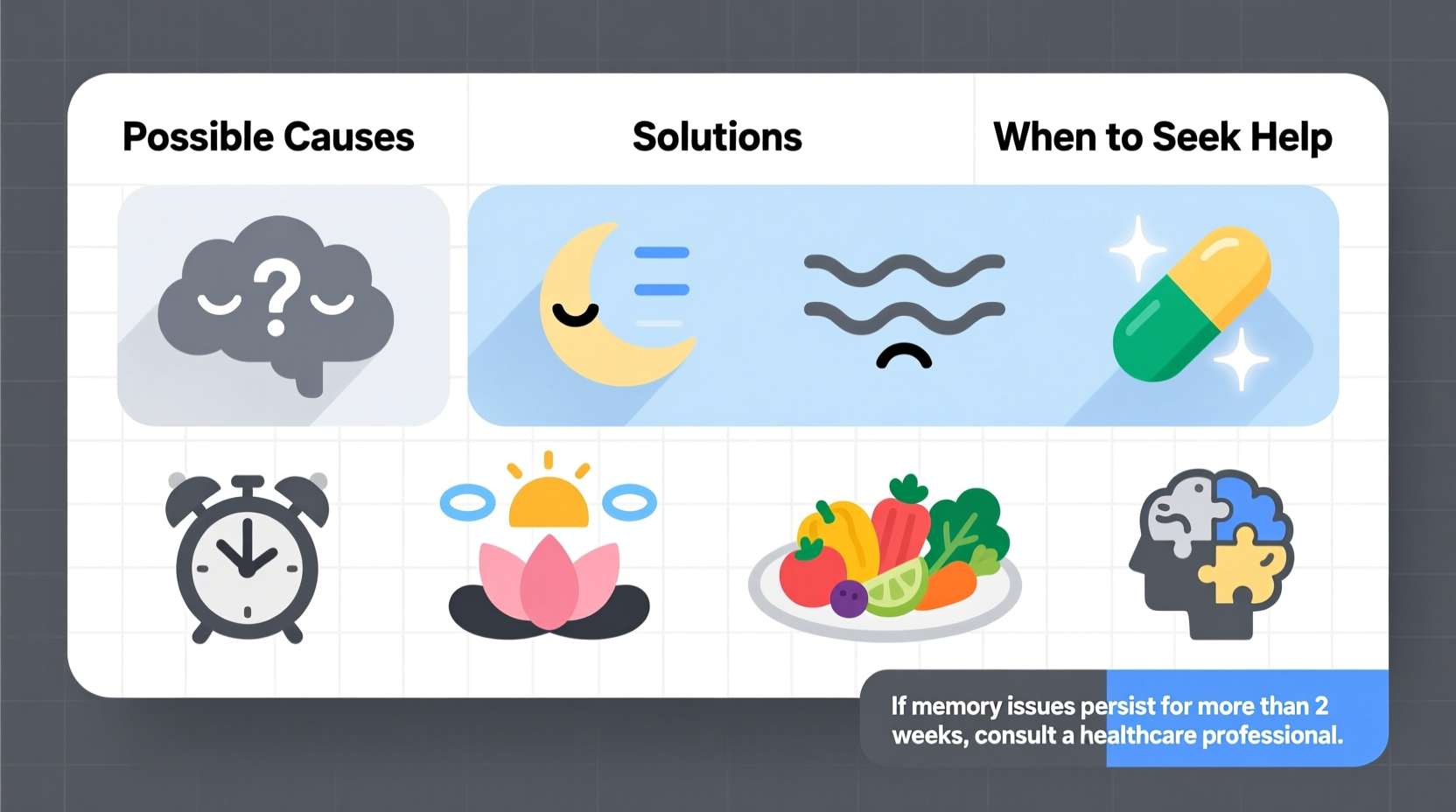
Memory isn’t a single function but a complex network involving attention, encoding, storage, and retrieval. When any part of this system falters, recall suffers. The reasons behind poor memory are often multifaceted, blending lifestyle, psychological, and medical factors.
- Chronic Stress: Elevated cortisol levels impair the hippocampus, the brain region responsible for forming new memories.
- Sleep Deprivation: During deep sleep, the brain consolidates memories. Insufficient or fragmented sleep disrupts this process.
- Nutritional Deficiencies: Low levels of B vitamins (especially B12), vitamin D, and omega-3 fatty acids are linked to cognitive decline.
- Medications: Antihistamines, antidepressants, benzodiazepines, and some blood pressure drugs can cause brain fog and memory issues.
- Underlying Medical Conditions: Hypothyroidism, diabetes, depression, and early-stage dementia can all affect memory.
When Forgetfulness Signals Something Serious
Not all memory lapses are equal. Occasional forgetfulness differs significantly from patterns that suggest a deeper issue. Signs that warrant medical evaluation include:
- Repeating the same questions or stories in a single conversation
- Difficulty performing familiar tasks, like cooking or managing finances
- Getting lost in familiar places
- Confusion about time, people, or locations
“Memory complaints should never be dismissed as ‘just aging.’ Early assessment can differentiate between benign forgetfulness and conditions like mild cognitive impairment or Alzheimer’s.” — Dr. Lena Patel, Neurologist, Johns Hopkins Medicine
Distinguishing Normal Aging from Cognitive Decline
| Aspect | Normal Aging | Cognitive Impairment |
|---|---|---|
| Forgets details of an event | May recall it later | Rarely remembers, even with cues |
| Uses memory aids (lists, calendars) | Frequently, but effectively | Unable to use them independently |
| Learning new information | Takes longer, but possible | Struggles consistently |
| Impact on daily life | Minimal | Noticeable interference |
Lifestyle Factors That Sabotage Memory
Modern living introduces subtle but powerful threats to cognitive performance. Sedentary habits, digital overload, and poor diet contribute more than many realize.
Constant multitasking fragments attention, making it harder to encode memories. A 2023 study published in *Nature Human Behaviour* found that individuals who frequently switch between devices retain 25% less information than focused learners. Similarly, diets high in processed foods and sugar promote inflammation, which damages neurons over time.
The Hidden Impact of Screen Time
Excessive screen exposure, especially before bed, suppresses melatonin and reduces REM sleep — critical for memory consolidation. Blue light disrupts circadian rhythms, leading to poorer sleep quality and daytime fatigue, both of which degrade cognitive function.
Science-Backed Solutions to Improve Memory
Improving memory isn’t about quick fixes but sustainable changes that support brain structure and function. Research shows neuroplasticity — the brain’s ability to reorganize — remains active throughout life, meaning positive habits can yield measurable results.
Step-by-Step Guide to Sharper Recall
- Assess Sleep Quality: Aim for 7–9 hours nightly. Use a sleep diary or tracker to monitor patterns.
- Optimize Nutrition: Increase intake of leafy greens, berries, fatty fish, nuts, and seeds. Consider testing for B12 and vitamin D deficiency.
- Exercise Regularly: Aerobic activity increases hippocampal volume. Even 30 minutes of brisk walking five times a week helps.
- Practice Mindfulness: Meditation improves working memory and reduces stress-related cortisol spikes.
- Engage in Cognitive Challenges: Learn a language, play an instrument, or solve puzzles to stimulate neural pathways.
“Physical activity is one of the most potent tools we have for preserving memory. It boosts blood flow, reduces inflammation, and supports the growth of new brain cells.” — Dr. Michael Chen, Cognitive Health Researcher, Stanford University
Real-Life Example: Recovering Focus After Burnout
Sarah, a 42-year-old project manager, began forgetting deadlines and struggling to concentrate during meetings. She attributed it to stress but grew concerned when she missed her daughter’s recital after writing the time down twice. After visiting a neurologist, tests revealed low B12 levels and chronic insomnia. With treatment, Sarah adopted a routine including morning walks, a Mediterranean-style diet, and a strict no-screens-after-9-PM rule. Within three months, her energy improved, and her memory returned to baseline. Her case illustrates how seemingly unrelated factors — nutrition, sleep, and stress — converge to impact cognition.
Checklist: Daily Habits to Support Memory
- ✅ Get 7+ hours of uninterrupted sleep
- ✅ Eat at least two servings of fatty fish or flaxseeds per week
- ✅ Spend 30 minutes in physical activity
- ✅ Limit alcohol to moderate levels (1 drink/day for women, 2 for men)
- ✅ Practice mindfulness or deep breathing for 10 minutes
- ✅ Avoid multitasking; focus on one task at a time
- ✅ Review important information aloud or write it down
Frequently Asked Questions
Can anxiety really cause memory loss?
Yes. Anxiety floods the brain with stress hormones that interfere with the hippocampus. Chronic anxiety can shrink this region over time, impairing both short- and long-term memory. Managing anxiety through therapy or relaxation techniques often leads to noticeable memory improvement.
Is there a link between dehydration and memory?
Absolutely. Even mild dehydration (as little as 1–2% fluid loss) impairs attention, executive function, and short-term memory. The brain is 75% water, and proper hydration is essential for neurotransmitter production and electrical signaling.
Are memory supplements worth taking?
Evidence is mixed. Some ingredients like phosphatidylserine and lion’s mane mushroom show promise in small studies, but most over-the-counter “brain boosters” lack robust clinical backing. A balanced diet and proven lifestyle changes remain more effective than supplements alone.
Conclusion: Take Action Before It Escalates
Memory challenges are not inevitable. Whether caused by lifestyle, emotional strain, or medical conditions, most causes of forgetfulness are modifiable with timely intervention. Ignoring persistent memory issues risks missing opportunities for early treatment, especially when reversible conditions like sleep apnea, depression, or vitamin deficiencies are involved.
Start today: evaluate your sleep, review your medications, adjust your diet, and prioritize mental well-being. Small, consistent changes compound into stronger cognitive resilience. Your brain is capable of renewal — give it the care it deserves.




 浙公网安备
33010002000092号
浙公网安备
33010002000092号 浙B2-20120091-4
Comments
No comments yet. Why don't you start the discussion?