
Running is one of the most accessible forms of exercise—no equipment required, just a pair of shoes and open space. Yet many beginners find themselves unable to run even a few minutes without stopping. If you've tried running and felt discouraged by shortness of breath, side stitches, or overwhelming fatigue, you're not alone. The truth is, inability to run isn't a personal failing; it's often the result of preventable factors ranging from fitness level and form to mindset and preparation. Understanding these barriers is the first step toward building a sustainable running habit.
Common Reasons You Can’t Run (And Why They’re Fixable)
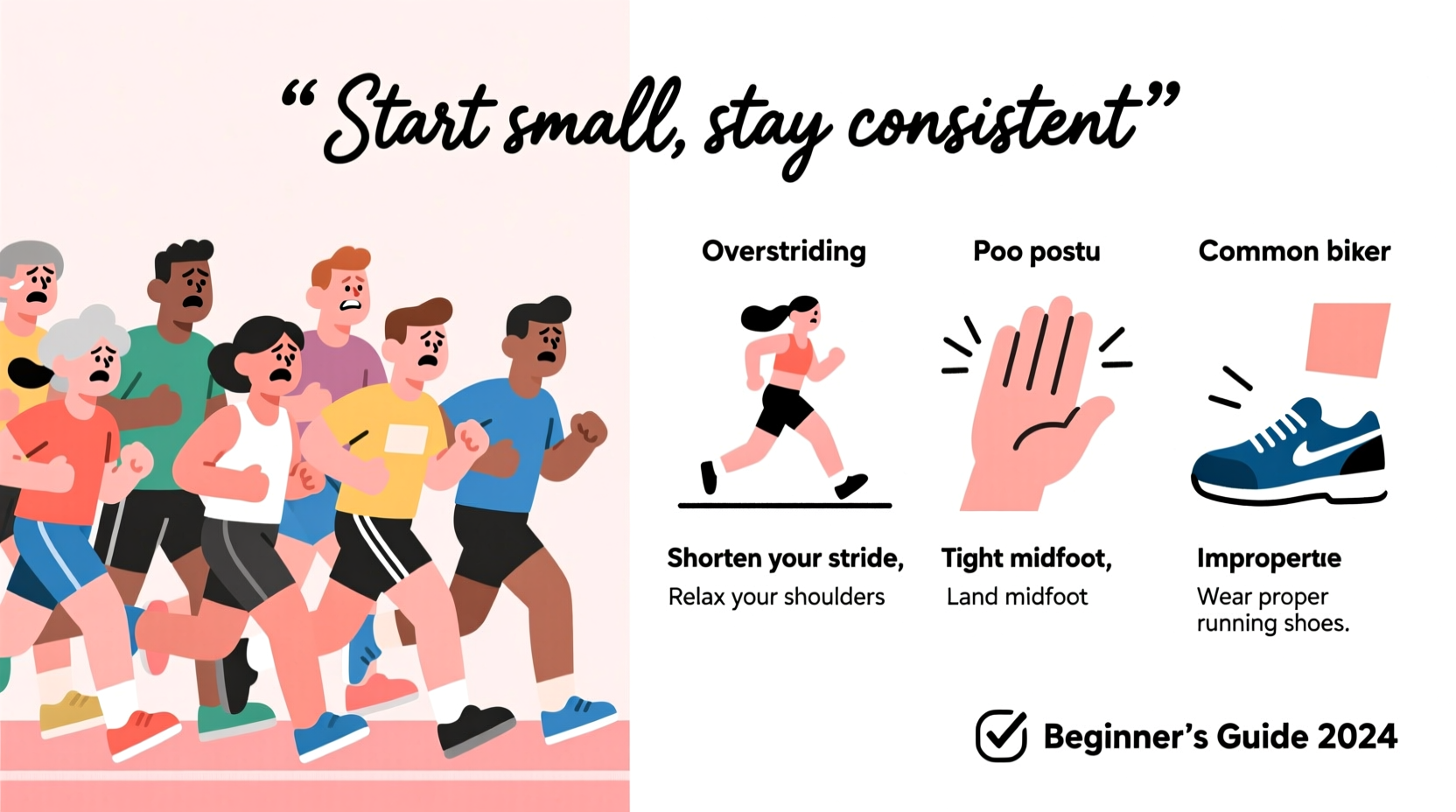
Most people assume that if they can't run, it’s because they’re “out of shape” or “not built for it.” While fitness plays a role, there are several specific, addressable causes behind this struggle.
- Lack of cardiovascular conditioning: Your heart and lungs need time to adapt to aerobic demands. Jumping into running without building base endurance leads to early exhaustion.
- Poor pacing: Many beginners start too fast, depleting energy reserves within minutes. Running should feel conversational at first.
- Incorrect breathing technique: Shallow chest breathing limits oxygen intake. Learning diaphragmatic breathing improves stamina.
- Muscle weakness or imbalance: Weak glutes, tight hip flexors, or underdeveloped core muscles disrupt form and increase injury risk.
- Inadequate footwear: Worn-out or unsupportive shoes contribute to discomfort, joint strain, and inefficient movement.
- Fear of judgment or failure: Mental blocks, especially in public spaces, cause tension and premature quitting.
“Most new runners fail not because of physical limits, but because they expect too much too soon. The body adapts when given time and consistency.” — Dr. Lena Torres, Sports Medicine Specialist
Beginner Running Tips That Actually Work
Success in running isn’t about speed or distance—it’s about consistency and smart progression. These practical strategies help beginners build endurance gradually and avoid burnout.
Focus on Time, Not Distance
Instead of aiming to run a mile, aim to stay active for 20 minutes using a mix of walking and running. This reduces pressure and allows your body to adapt without overexertion.
Master Your Breathing
Breathe deeply through your nose and mouth, engaging your diaphragm. Try inhaling for three steps, exhaling for two. This rhythm stabilizes breathing and prevents side stitches.
Invest in Proper Shoes
Visit a specialty running store for a gait analysis. The right shoe matches your foot type and stride, reducing pain and improving efficiency.
Strengthen Supporting Muscles
Weak hips and core lead to poor form. Add simple strength exercises like squats, planks, and glute bridges 2–3 times per week.
Run Every Other Day
Rest days are essential. Muscles rebuild and adapt during recovery. Aim for 3–4 sessions per week to allow healing and prevent overuse injuries.
| Do’s | Don’ts |
|---|---|
| Start with walk-run intervals | Try to run nonstop from day one |
| Wear moisture-wicking clothing | Run in cotton shirts that trap sweat |
| Warm up with brisk walking | Jump straight into sprinting |
| Listen to your body’s signals | Push through sharp pain or dizziness |
| Track progress weekly | Compare yourself to experienced runners |
Step-by-Step Guide to Starting Your First Running Routine
Follow this 4-week plan to transition from not being able to run at all to completing a continuous 20-minute jog.
- Week 1: Walk 5 minutes to warm up. Alternate 1 minute jogging with 3 minutes walking (repeat 6 times). Cool down with 5 minutes of walking. Total: ~30 minutes.
- Week 2: Reduce walking intervals. Jog 2 minutes, walk 2 minutes. Repeat 6 times. Maintain easy pace.
- Week 3: Jog 3 minutes, walk 1 minute. Repeat 5 times. Focus on steady breathing.
- Week 4: Jog 5 minutes, walk 1 minute. Repeat 3 times. Attempt one session where you jog continuously for 10–15 minutes at the end.
After Week 4, aim to run 20 minutes straight at a comfortable pace. Use a fitness app or watch to track time and effort, not speed.
Real Example: How Sarah Went From Walking to Running 5K
Sarah, 38, had never been athletic. After her doctor advised weight loss and improved heart health, she tried running—but couldn’t make it past two minutes without gasping for air. Discouraged, she stopped after one attempt. A friend suggested a walk-run program. She started with 1-minute jogs and 3-minute walks, three times a week. At first, she worried about looking slow. But she stuck with it, tracking each session in a notebook. By Week 6, she was jogging 10 minutes straight. Eight weeks in, she completed her first 5K event—not for time, but for accomplishment. Her secret? “I stopped comparing myself to others and celebrated every small win.”
Checklist: Are You Ready to Start Running?
- ✅ Got clearance from your doctor (especially if over 40 or have health concerns)
- ✅ Purchased proper running shoes with good support
- ✅ Chosen safe, flat routes (parks, tracks, or quiet streets)
- ✅ Committed to 3 runs per week using walk-run intervals
- ✅ Prepared comfortable, breathable clothing
- ✅ Set a realistic goal (e.g., run 20 minutes continuously in 6 weeks)
- ✅ Identified a backup plan for bad weather (treadmill, indoor track)
Frequently Asked Questions
Why do I get a side stitch every time I run?
Side stitches are common in beginners and often caused by shallow breathing, eating too close to running, or sudden increases in intensity. To reduce them, warm up properly, avoid large meals 1–2 hours before running, and focus on deep belly breathing. Slow down when a stitch appears and press gently on the painful area while exhaling fully.
Is it normal to feel tired after a short run?
Yes, especially at first. Your cardiovascular system needs time to become more efficient. Fatigue should decrease within 2–3 weeks as your body adapts. Ensure you're getting enough sleep, hydration, and nutrition to support recovery.
Can overweight individuals start running safely?
Absolutely—but starting with low-impact intervals is key. Walking and brief jogging periods reduce joint stress while building endurance. Many successful runners began at higher weights. Focus on consistency, not speed, and consider consulting a physical therapist if you have knee or back concerns.
Conclusion: You Can Run—One Step at a Time
The idea that only naturally gifted athletes can run is a myth. Almost anyone can learn to run with patience, proper technique, and a structured approach. The biggest obstacle isn’t physical ability—it’s the belief that you can’t do it. By addressing common causes like poor pacing, weak conditioning, and mental hesitation, you create a foundation for real progress. Start small. Celebrate effort over outcome. Trust the process. In a few weeks, you’ll look back in disbelief at how far you’ve come—not just in distance, but in confidence and resilience.




 浙公网安备
33010002000092号
浙公网安备
33010002000092号 浙B2-20120091-4
Comments
No comments yet. Why don't you start the discussion?