
We all care about the impression we make—especially when speaking up close with others. Yet one of the most common hygiene concerns, bad breath (or halitosis), often goes unnoticed by the very person experiencing it. The irony is sharp: you might be completely unaware that your breath carries an unpleasant odor, even while brushing twice a day and using mouthwash. Why is this so common? And more importantly, how can you detect and address it effectively?
The inability to smell your own bad breath isn’t a flaw—it’s a biological quirk combined with lifestyle and health factors. Understanding why this happens empowers you to take proactive steps toward fresher breath and greater confidence in social interactions.
Why You Can’t Smell Your Own Bad Breath
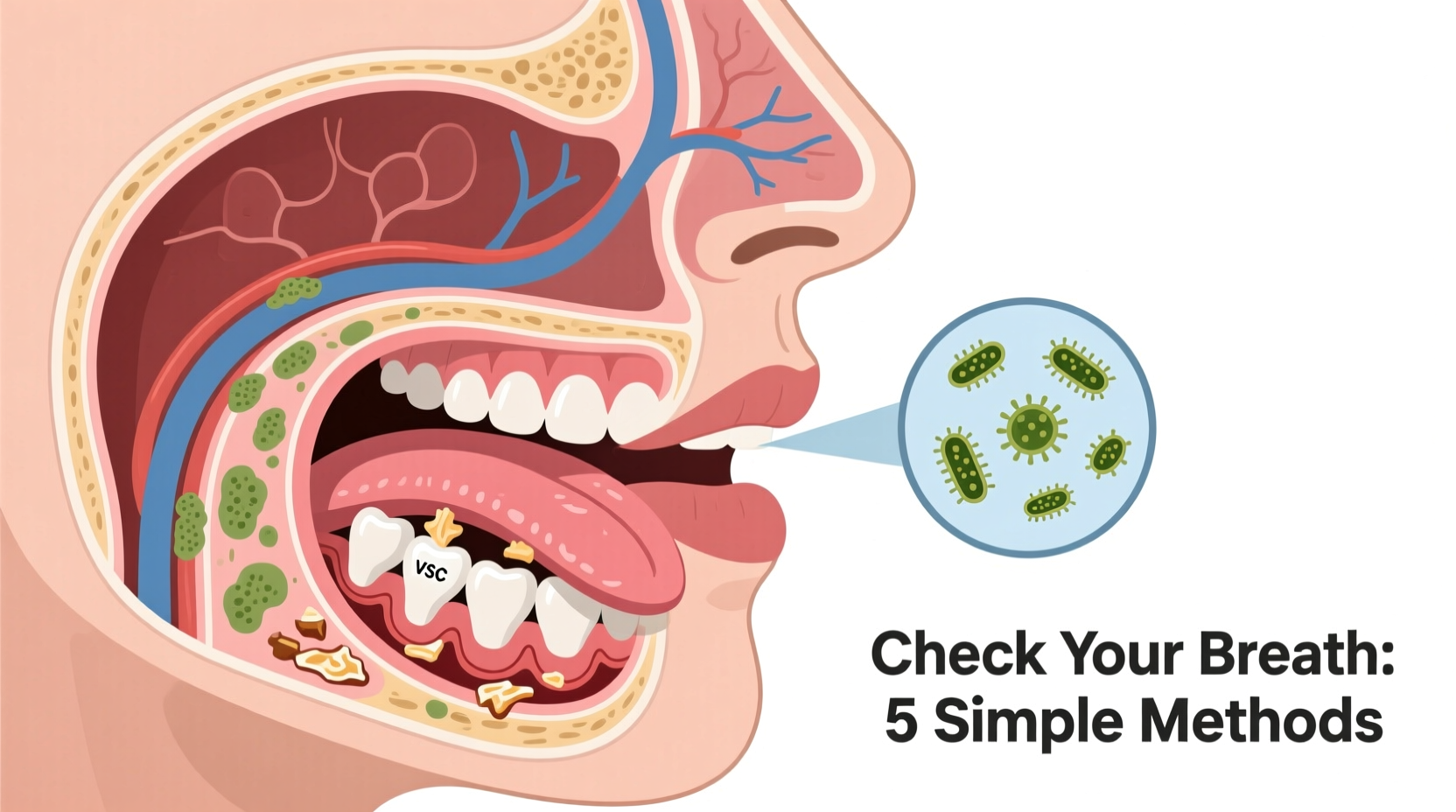
Your nose is wired to filter out constant smells—a survival mechanism known as olfactory adaptation. This means that after a short time, your brain stops registering persistent odors, including those coming from your own mouth. While helpful for ignoring background scents like your laundry detergent or coffee at home, this adaptation makes self-detection of bad breath nearly impossible.
Beyond biology, several other factors contribute to your lack of awareness:
- Nasal breathing habits: If you primarily breathe through your nose, exhaled air from your mouth bypasses your olfactory receptors.
- Postnasal drip: Mucus buildup can harbor bacteria that produce odor, but the sensation may feel more like a throat issue than a breath problem.
- Dry mouth: Reduced saliva flow allows odor-causing bacteria to thrive, especially overnight or during stress.
- Tonsil stones: Small calcified debris trapped in tonsil crypts emit a strong sulfur-like smell, but their location limits your ability to detect them.
“Most patients who suffer from chronic halitosis are genuinely unaware. It’s not vanity—it’s neurology.” — Dr. Alan Pierce, Board-Certified Oral Microbiologist
Common Causes of Undetected Bad Breath
Bad breath doesn’t always stem from poor oral hygiene. In fact, many people with excellent brushing routines still struggle with odor due to underlying causes. Here’s a breakdown of the most frequent culprits:
| Cause | Description | How It Evades Detection |
|---|---|---|
| Oral Bacteria Buildup | Bacteria on the tongue, gums, and between teeth break down food particles, releasing volatile sulfur compounds (VSCs). | Olfactory fatigue prevents you from noticing the gradual increase in odor. |
| Gum Disease (Gingivitis/Periodontitis) | Inflammation and infection in gum tissue create deep pockets where bacteria flourish. | Odor may be localized below the gumline, not reaching nasal passages directly. |
| Dietary Habits | Garlic, onions, coffee, and alcohol leave lingering compounds absorbed into the bloodstream and exhaled through the lungs. | Systemic release means breath odor fluctuates unpredictably and isn’t constant enough to trigger detection. |
| Sinus or Throat Infections | Bacterial infections in sinuses or tonsils produce foul-smelling discharge. | Drainage flows down the back of the throat, masking the source as postnasal rather than breath-related. |
| Medical Conditions | Diabetes (ketones), liver disease, acid reflux (GERD), and respiratory infections can alter breath chemistry. | Odors may resemble acetone, fecal matter, or mustiness—often mistaken for unrelated issues. |
Mini Case Study: The Confident Professional
Sarah, a 34-year-old marketing executive, prided herself on her polished appearance and routine—brushing, flossing, and using sugar-free mints daily. But after a colleague subtly offered her a breath mint during a meeting, she began to worry. She couldn’t smell anything wrong. A visit to her dentist revealed moderate gingivitis and a coated tongue harboring anaerobic bacteria. After treatment and adopting a tongue scraper, her breath improved—and so did her confidence. The takeaway? Even meticulous routines can miss key areas.
How to Accurately Check Your Breath
Since sniffing your hand or cupping your mouth isn’t reliable, here are four evidence-based methods to assess your breath objectively:
- Lick-and-Sniff Test: Lick the back of your wrist, let it dry for a few seconds, then smell it. Saliva from the tongue will carry odor-causing compounds.
- Floss Behind Molars: Use unwaxed floss between your back teeth and smell the thread. Bacteria accumulate here, often missed during brushing.
- Tongue Scraper Evaluation: Scrape the back of your tongue and smell the scraper. A metallic or rotten-egg scent indicates sulfur-producing bacteria.
- Ask a Trusted Person: Choose someone honest and close—partner, family member, or best friend—and ask them directly. Frame it as seeking help, not doubting yourself.
Step-by-Step Guide to Fresher Breath
Improving breath isn’t just about masking odor—it’s about addressing root causes. Follow this daily protocol for lasting results:
- Morning Routine: Brush with fluoride toothpaste, focusing on the gumline. Use a tongue scraper to remove biofilm from the back of the tongue.
- Floss Thoroughly: Clean between all teeth, curving the floss around each tooth base to remove trapped debris.
- Rinse with Antibacterial Mouthwash: Choose alcohol-free formulas with cetylpyridinium chloride or chlorine dioxide to neutralize VSCs.
- Stay Hydrated: Drink water throughout the day to stimulate saliva, which naturally cleanses the mouth.
- Lunchtime Refresh: Chew sugar-free gum containing xylitol to reduce bacterial adhesion and boost saliva.
- Evening Deep Clean: Repeat brushing and flossing. Consider using an interdental brush if you have gaps or braces.
- Nighttime Support: If you suffer from dry mouth, use a humidifier or consult your dentist about saliva substitutes.
Checklist: Signs You Might Have Bad Breath
If any of these apply, it’s time to investigate further:
- Others step back slightly when you speak
- You frequently have a dry mouth or wake up with a sticky feeling
- You notice a white coating on your tongue
- People offer you mints or gum often
- You’ve had recent sinus infections or tonsil issues
- You wear dentures or retainers that aren’t cleaned daily
- You consume lots of coffee, alcohol, or high-protein foods
Frequently Asked Questions
Can bad breath come from my stomach?
Yes, conditions like gastroesophageal reflux disease (GERD) can cause sour or acidic breath due to stomach contents rising into the esophagus. However, most bad breath originates in the mouth. Persistent gastric-related odor should be evaluated by a physician.
Is chronic bad breath a sign of serious illness?
While usually linked to oral health, persistent halitosis can signal systemic issues such as uncontrolled diabetes (fruity/acetone smell), kidney failure (ammonia-like odor), or liver dysfunction (musty or fishy breath). If oral hygiene improvements don’t help, consult your doctor.
Do breath mints really work?
Mints provide temporary cover-up but don’t eliminate bacteria or VSCs. Sugar-free options with xylitol are better—they reduce bacterial growth. For real results, combine mints with proper oral care, not replace it.
Conclusion: Take Control of Your Breath Confidence
Not being able to smell your own bad breath is normal—not a personal failing. But ignoring it can impact relationships, professional interactions, and self-esteem. By understanding the science behind odor development and using accurate detection methods, you gain control over something most people never discuss until it’s too late.
Start today: incorporate tongue scraping, stay hydrated, and schedule a dental checkup to rule out gum disease or hidden decay. Small changes compound into long-term freshness. Don’t wait for someone else to hint at a problem—be proactive, informed, and confident in every conversation.




 浙公网安备
33010002000092号
浙公网安备
33010002000092号 浙B2-20120091-4
Comments
No comments yet. Why don't you start the discussion?