
Trust is the foundation of any healthy relationship. When that foundation begins to crack, even slightly, it can lead to persistent doubts, emotional distance, and inner turmoil. If you're asking yourself, “Why can’t I trust my girlfriend?”—you’re not alone. Many people experience moments of uncertainty in their relationships, even when there’s no clear evidence of betrayal. Understanding the roots of your mistrust isn’t about assigning blame; it’s about exploring your emotions, past experiences, and communication patterns to build a stronger, more secure connection.
Understanding the Roots of Mistrust
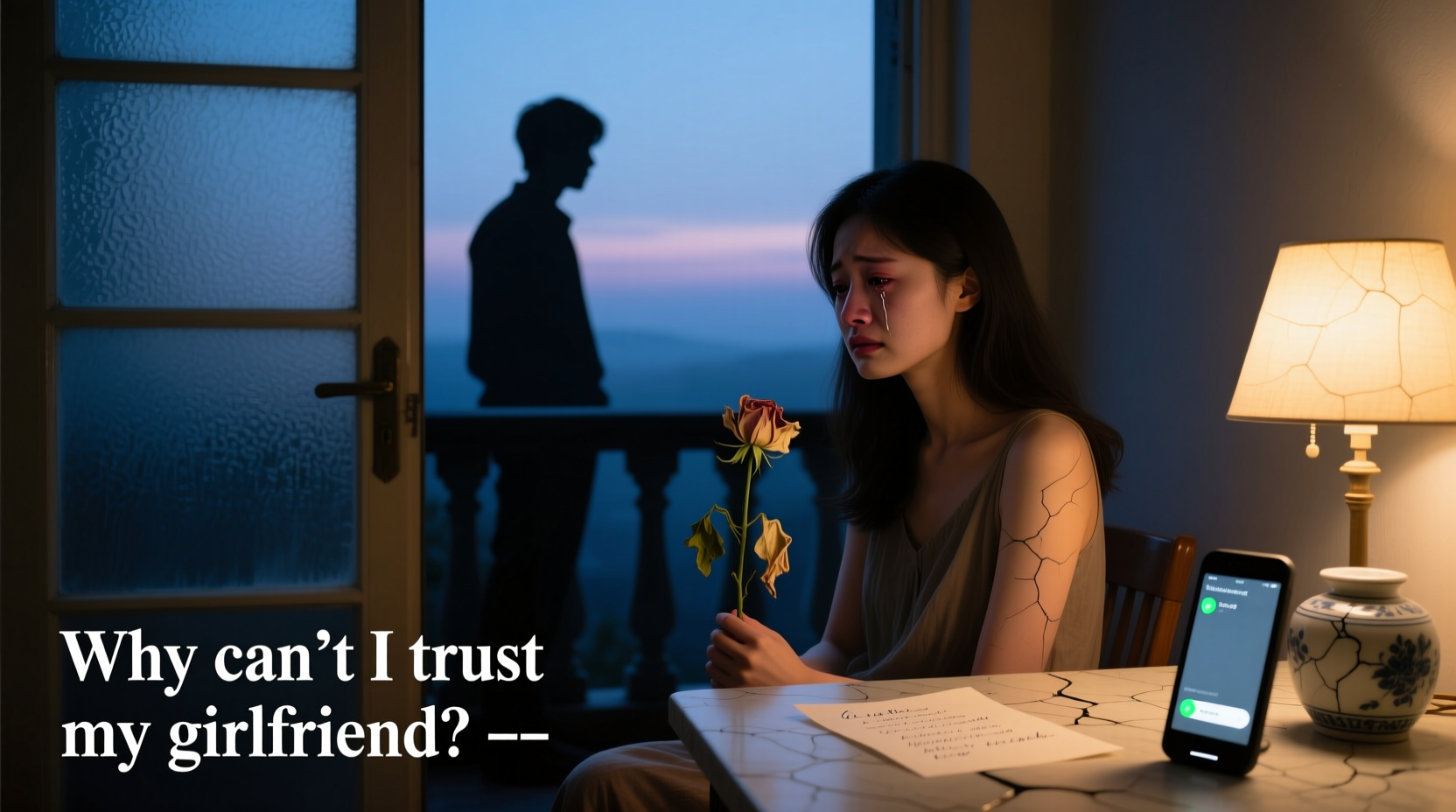
Mistrust rarely appears out of nowhere. It often stems from a combination of personal history, emotional triggers, and relational dynamics. For some, past betrayals—whether in previous relationships or childhood experiences—can create lasting sensitivity to perceived threats in current partnerships. Others may struggle with insecurity or anxiety that amplifies small behaviors into major concerns.
It's important to distinguish between instinctual red flags and unfounded fears. Genuine warning signs—like secrecy, broken promises, or dishonesty—should be taken seriously. But if your doubts arise from minor actions, such as delayed texts or friendly interactions with others, they may reflect internal struggles rather than external issues.
Common Causes Behind Trust Issues
Several factors contribute to difficulty trusting a partner, even when they’ve done nothing wrong. Recognizing these can help you respond with compassion instead of accusation.
- Past trauma or betrayal: Previous experiences of infidelity or deception can condition the mind to expect repetition.
- Insecurity or low self-esteem: Feeling unworthy of love can make you hyper-vigilant for signs of rejection.
- Anxious attachment style: People with anxious attachment often fear abandonment and seek constant reassurance.
- Lack of communication: Unspoken expectations or assumptions can breed misunderstanding and suspicion.
- Projection: Sometimes, we distrust others because we fear our own impulses—such as imagining a partner might cheat because we once considered doing so.
“Trust isn’t just about fidelity—it’s about emotional safety. When someone feels emotionally unsafe, even small inconsistencies can feel like threats.” — Dr. Lena Reyes, Clinical Psychologist
Do’s and Don’ts in Navigating Trust Concerns
| Do’s | Don’ts |
|---|---|
| Communicate openly about your feelings without blaming | Accuse or interrogate your partner without cause |
| Reflect on whether your fears are based on facts or feelings | Assume the worst intention behind neutral behavior |
| Seek therapy if trust issues persist | Isolate yourself emotionally to avoid vulnerability |
| Practice mindfulness to manage anxious thoughts | Monitor your partner’s phone or social media without consent |
| Appreciate consistent, trustworthy behavior over time | Dwell on hypothetical scenarios (“What if she leaves me?”) |
A Real Example: Mark’s Journey Toward Trust
Mark, 32, began feeling uneasy after his girlfriend, Sarah, started a new job with mixed-gender team outings. Though she always came home at agreed times and answered his messages, he found himself checking her Instagram stories obsessively, looking for signs of closeness with coworkers. He felt guilty but couldn’t shake the anxiety.
After a tense argument where he confronted her about a photo with a male colleague, Sarah encouraged him to talk to a therapist. Through counseling, Mark uncovered that his father had an affair when he was a teenager—a trauma he thought he’d moved past. His subconscious linked professional closeness with romantic threat. With support, he learned to separate past pain from present reality. He began using grounding techniques when anxious and practiced expressing his fears calmly. Over time, his trust in Sarah—and himself—grew stronger.
Step-by-Step Guide to Rebuilding Emotional Security
If you're struggling with trust, follow this practical sequence to gain clarity and improve your relationship dynamic:
- Pause and self-reflect: Identify the specific behavior triggering distrust. Is it recent? Recurring? Based on evidence?
- Examine your history: Consider past relationships, family dynamics, or traumas that might influence your current reactions.
- Communicate with care: Share your feelings using “I” statements: “I’ve been feeling anxious when you’re late without texting. I know you’re responsible, but I worry.”
- Observe patterns: Track whether your partner consistently follows through on commitments. Consistency builds trust over time.
- Set healthy boundaries: Agree on mutual expectations around communication, social interactions, and transparency—without surveillance.
- Seek professional support: Individual or couples therapy can uncover deeper blocks and teach emotional regulation tools.
- Practice patience: Trust rebuilds gradually. Celebrate small moments of security and openness.
Checklist: Signs Your Mistrust May Be Unfounded
- ✅ Your partner is transparent about plans and contacts
- ✅ They respect your boundaries and reciprocate emotional openness
- ✅ You have no concrete evidence of dishonesty
- ✅ Your doubts increase during times of personal stress
- ✅ You’ve projected your fears onto ambiguous situations
- ✅ Friends or family see no red flags in the relationship
If most of these apply, your struggle may be less about your girlfriend and more about internal healing. That doesn’t make your feelings invalid—it means the solution lies in self-understanding, not control.
Frequently Asked Questions
Can trust be rebuilt if I’m the one with the issue, not my girlfriend?
Yes. Trust is a two-way street, but personal trust issues can be addressed through self-awareness, therapy, and open communication. Taking responsibility for your emotional responses strengthens the relationship more than blaming your partner.
How do I know if my mistrust is justified or irrational?
Justified mistrust is supported by repeated patterns of dishonesty, secrecy, or broken promises. Irrational mistrust persists despite consistent reliability and transparency. If your partner meets your reasonable expectations and still you doubt, it may stem from internal insecurities.
Should I stay in the relationship if I can’t trust her?
Not automatically. First, explore why. If you’re working on the root causes and making progress, staying can lead to deeper intimacy. But if efforts stall and anxiety dominates, consider whether unresolved personal issues or genuine incompatibilities are at play.
Conclusion: Moving Forward with Clarity and Courage
Struggling to trust your girlfriend doesn’t mean you’re broken—or that the relationship is doomed. It means you’re human, shaped by experiences that continue to influence how you love and connect. The path forward isn’t about eliminating doubt entirely—that’s impossible—but about learning to respond to it wisely.
Start by turning inward. Ask not only “Why can’t I trust her?” but also “What do I need to feel emotionally safe?” Address your wounds with honesty and courage. Communicate with kindness, not control. And remember: the strongest relationships aren’t those without fear, but those where both partners choose vulnerability, growth, and mutual respect every day.




 浙公网安备
33010002000092号
浙公网安备
33010002000092号 浙B2-20120091-4
Comments
No comments yet. Why don't you start the discussion?