
Naming a child is one of the first major decisions parents make. It’s a deeply personal choice, often reflecting heritage, family tradition, or emotional significance. But while the freedom to choose seems absolute, many countries impose legal restrictions that prevent certain names—like “1069”—from being officially registered. So why exactly can’t you name a child 1069? The answer lies in a complex web of cultural norms, linguistic standards, and governmental regulations designed to protect children from harm, embarrassment, or administrative confusion.
In this article, we’ll explore the real reasons behind naming laws, examine internationally banned baby names, and unpack what happens when parents attempt to register names outside legal boundaries. From numbers to offensive terms, the limits on baby names reveal surprising truths about identity, authority, and societal expectations.
The Case Against Naming a Child “1069”
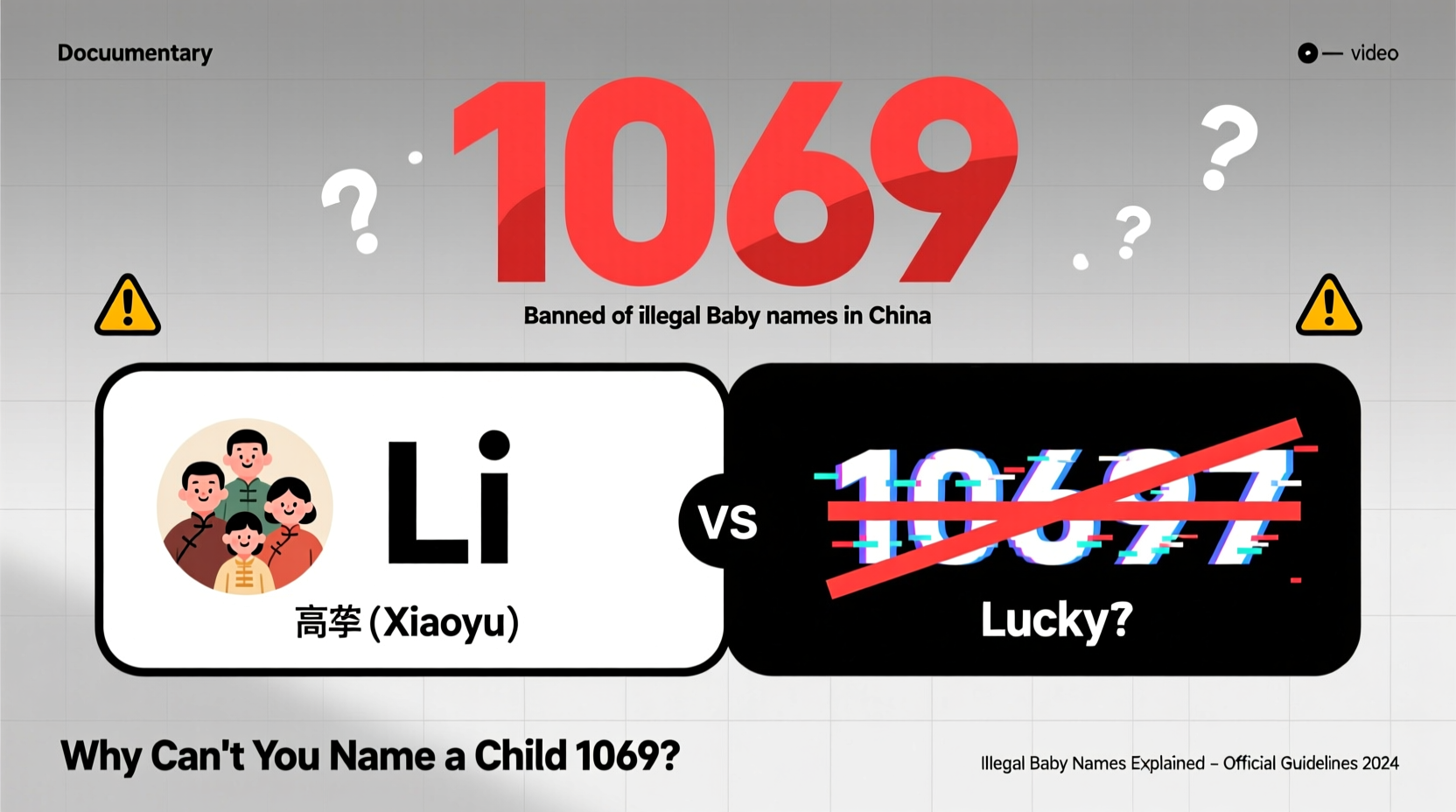
At first glance, “1069” might seem like an arbitrary number, but its use as a name has sparked controversy in several countries. In New Zealand, for example, the name was proposed by a parent who claimed it had symbolic meaning tied to historical events. However, authorities rejected it under Section 8(3) of the Births, Deaths and Marriages Registration Act, which prohibits names that could cause offense or ridicule.
Numbers are generally not recognized as valid personal names because they lack phonetic structure and fail to function as identifiers in spoken language. Unlike names such as “Noah” or “Aria,” which can be pronounced and integrated into social interactions, “1069” presents practical challenges:
- It cannot be naturally spoken in most languages.
- It may trigger confusion in official databases where names are expected to follow alphabetical sorting.
- It risks subjecting the child to teasing or social isolation.
Global Naming Laws: Where and Why Names Are Banned
No country grants unlimited freedom in baby naming. While the U.S. allows relatively broad choices, other nations enforce strict guidelines. These laws exist not just to maintain order, but to safeguard children from names that could impair their development or integration into society.
For instance:
- Denmark maintains an official list of 7,000 approved names. Parents must choose from this list unless seeking special permission.
- Germany requires all names to clearly indicate the child's gender and be usable without causing ridicule.
- Japan restricts names to a set of approved kanji characters to ensure readability and consistency in records.
- New Zealand explicitly bans numeric names, symbols, and titles like “King” or “Justice.”
“Names are more than labels—they shape identity and social perception. Governments have a duty to prevent names that could lead to psychological harm.” — Dr. Lena Fischer, Sociolinguist at University of Oslo
Common Reasons Baby Names Get Rejected
Across jurisdictions, certain patterns emerge in rejected names. Below is a breakdown of the most frequent grounds for denial:
| Reason | Description | Example |
|---|---|---|
| Lack of Phonetic Identity | Names that cannot be spoken or misread easily | “5ive”, “X Æ A-12” (Elon Musk’s son, initially rejected in California) |
| Offensive or Obscene Meaning | Words with sexual, violent, or derogatory connotations | “Anal,” “Dick,” “Fagbug” |
| Titles or Ranks | Names implying status or authority | “Prince,” “Sir,” “Judge” |
| Non-Alphabetic Characters | Use of numbers, symbols, or emojis | “Brfxxccxxmnpcccclllmmnprxvclmnckssqlbb11116”, “Hashtag” |
| Gender Ambiguity (in some countries) | Names that don’t clearly align with gender norms | Some Nordic countries require gender-specific endings |
Real Example: The “Metallica” Naming Dispute
In 2004, a Swedish couple attempted to register their daughter’s name as “Metallica,” after the rock band. The application was denied by the Swedish Tax Agency, which oversees naming in Sweden, citing that foreign trademarks cannot be used as first names. The parents appealed, arguing for artistic expression and parental rights.
After public debate, the agency relented—but only because “Metallica” had historical usage as a feminine name in ancient Rome. This case highlighted the balance between creative freedom and regulatory control. It also demonstrated how context matters: a name deemed inappropriate in one culture may be acceptable in another.
Step-by-Step: How to Legally Name Your Child Without Issues
To avoid rejection during birth registration, follow these steps before finalizing your baby’s name:
- Check National Guidelines: Research your country’s naming laws. Most government websites publish clear rules.
- Avoid Numbers and Symbols: Stick to letters. Even if allowed temporarily, numeric names complicate schooling and ID documents.
- Test Pronunciation and Spelling: Ensure teachers, doctors, and peers can say and spell the name correctly.
- Verify Meaning Across Languages: Some names translate unexpectedly. For example, “Les” means “the” in French but is a common nickname in English.
- Consult the Registry Office Early: If unsure, submit a pre-approval request or call the vital records department.
FAQ: Common Questions About Illegal Baby Names
Can I legally name my child “Batman”?
In most countries, no. The U.S. allows it in some states, but nations like New Zealand and Germany would reject it as a title or fictional character. Courts often view such names as setting a child up for mockery.
Is “Jesus” a banned name?
Not banned, but sometimes scrutinized. In Spain, officials once questioned a request to name a child “Jesucristo” (Jesus Christ), fearing religious overreach. However, “Jesus” is widely accepted in many cultures, especially in Latin America.
What happens if my baby’s name is rejected?
You’ll typically be given a short window—often 30 days—to choose a new name. Failure to comply may result in the child being temporarily listed under a placeholder (e.g., “Baby Girl Smith”) until compliance is achieved.
Checklist: Is Your Baby Name Legal?
- ☐ Contains only letters (no numbers, emojis, or symbols)
- ☐ Can be pronounced in your native language
- ☐ Not a trademark, brand, or product name
- ☐ Does not resemble offensive slang or profanity
- ☐ Aligns with gender norms (if required by law)
- ☐ Approved by your country’s naming authority (if applicable)
Conclusion: Balancing Freedom and Responsibility
While the desire to give a child a unique name is understandable, naming carries lifelong consequences. A name like “1069” may reflect personal symbolism, but it fails the basic test of functionality and social integration. Legal restrictions on baby names are not about censorship—they’re about protection.
As societies evolve, so too do naming conventions. Some previously banned names have gained acceptance over time, while new forms of expression continue to challenge existing rules. The key is to strike a balance between individuality and responsibility.




 浙公网安备
33010002000092号
浙公网安备
33010002000092号 浙B2-20120091-4
Comments
No comments yet. Why don't you start the discussion?