
Raksha Bandhan, often affectionately called Rakhi, is more than just a festival marked on the Hindu calendar. It’s a profound celebration of one of humanity’s most enduring relationships — that between siblings. On this day, sisters tie a sacred thread, the rakhi, around their brothers’ wrists, symbolizing love, care, and a mutual promise of protection. But beyond rituals and sweets, what does this ancient tradition truly represent? Why do millions continue to observe it across continents and cultures? The answer lies in its timeless emotional resonance, cultural depth, and evolving social relevance.
The Historical Roots of Raksha Bandhan
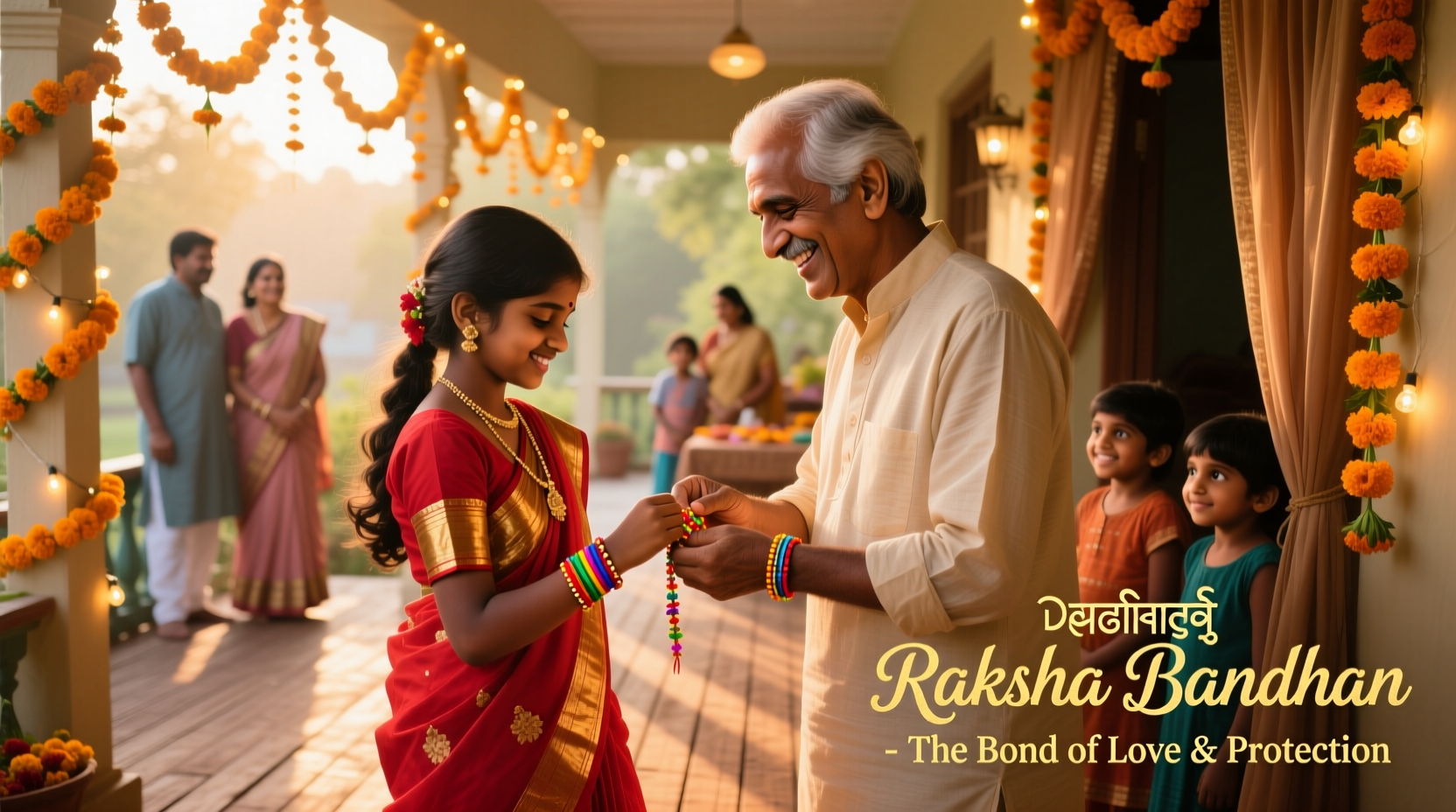
The origins of Raksha Bandhan stretch back thousands of years, embedded in mythology, history, and regional folklore. One of the earliest references appears in the Bhavishya Purana, where the practice of tying protective amulets (rakshas) on the wrist during the full moon of Shravana is described. Over time, this evolved into a ritual centered on sibling bonds.
Historical accounts also highlight symbolic moments that elevated the festival’s significance. For instance, when Rani Karnavati of Mewar sent a rakhi to Mughal Emperor Humayun, appealing for help against invaders, he reportedly halted his campaign and rushed to her aid — not as a ruler, but as a brother bound by honor. While historians debate the accuracy of this event, the story endures as a powerful metaphor: Rakhi transcends blood; it signifies moral duty and emotional allegiance.
“Raksha Bandhan isn’t merely about ritual; it’s a reaffirmation of duty, love, and the sacredness of human connection.” — Dr. Anjali Mehta, Cultural Anthropologist, University of Delhi
The Symbolism Behind the Ritual
At first glance, Rakhi may seem like a simple ceremony — a sister applies tilak, ties a decorative thread, and receives a gift. Yet each step carries deep symbolic meaning:
- The Rakhi Thread: Represents an unbreakable bond and spiritual protection.
- The Tilak: A mark of blessing and acknowledgment of the brother’s role as protector.
- The Sweets: Symbolize the sweetness of the relationship and shared joy.
- The Promise: The brother vows to support and safeguard his sister through life’s challenges.
Importantly, the ritual is reciprocal. While the brother offers protection, the sister’s prayers and affection provide emotional strength. This balance underscores a core Indian value — dharma, or righteous duty — performed not out of obligation, but from love.
Rakhi in Modern Society: Beyond Blood Relations
In today’s world, the definition of family is expanding. Raksha Bandhan has gracefully adapted, embracing chosen kinship. Friends, cousins, co-workers, and even neighbors now participate in the ritual, reflecting a broader understanding of care and responsibility.
In urban India and among diaspora communities, it’s common to see sisters tying rakhis on sisters, or men honoring female friends as “sisters” in a gesture of platonic respect and solidarity. In some cases, NGOs organize mass Rakhi events where volunteers tie rakhis on soldiers, recognizing their role as protectors of the nation.
This evolution demonstrates that the essence of Raksha Bandhan isn’t confined to biology — it’s about commitment, empathy, and the conscious choice to stand by someone through thick and thin.
A Real-Life Example: Rakhi Across Borders
Consider the story of Priya and Arjun, siblings separated by geography — Priya lives in Toronto, Arjun in Mumbai. Every year, Priya mails handmade rakhis weeks in advance. On Rakhi morning, they video call, perform the ritual virtually: Priya holds up the rakhi to the screen while Arjun extends his wrist, then ties it himself as she chants the prayer. Afterward, they share a meal over the call, laughing at old photos.
For them, Rakhi isn’t delayed by distance. It becomes a moment of emotional anchoring — a reminder that no matter where life takes them, their bond remains intact. Their ritual, though adapted, preserves the spirit of the tradition.
Cultural and Emotional Benefits of Celebrating Rakhi
Celebrating Rakhi offers tangible psychological and social benefits:
- Strengthens Family Ties: In fast-paced modern life, festivals like Rakhi create dedicated space for emotional connection.
- Promotes Gender Equality: While traditionally focused on brothers protecting sisters, many families now encourage sisters to pledge protection too, especially in single-child households or same-gender sibling pairs.
- Encourages Emotional Expression: In cultures where men are often discouraged from showing vulnerability, Rakhi provides a socially accepted moment to express love and gratitude.
- Preserves Heritage: For younger generations growing up abroad, participating in Rakhi helps maintain cultural identity and intergenerational dialogue.
| Aspect | Traditional View | Modern Interpretation |
|---|---|---|
| Protector Role | Brother protects sister | Mutual support regardless of gender |
| Participants | Siblings only | Friends, cousins, mentors, community members |
| Rakhi Design | Sacred thread with red/gold | Customized, eco-friendly, or digital rakhis |
| Gift Exchange | Brother gives money or jewelry | Personalized gifts, experiences, or donations |
How to Make Your Rakhi Celebration Meaningful: A Checklist
To move beyond routine and infuse your celebration with authenticity, consider this actionable checklist:
- Plan ahead: Send or prepare rakhis early, especially if celebrating long-distance.
- Personalize the moment: Share a memory, write a letter, or record a voice message.
- Include all siblings: Ensure no one feels left out, whether younger, older, or adopted.
- Extend the gesture: Tie a rakhi on a friend or mentor who’s been a “brother” or “sister” to you.
- Give thoughtfully: Choose gifts that reflect the recipient’s interests, not just tradition.
- Reflect on the promise: Take a moment to consider what protection and support mean today.
Frequently Asked Questions
Can sisters tie rakhi on sisters?
Yes. Many families now celebrate Rakhi among sisters as a symbol of mutual love and lifelong support. The ritual’s emotional core — protection and care — applies regardless of gender.
What if my brother lives far away?
Distance doesn’t diminish the bond. You can send a rakhi by mail and conduct the ceremony via video call. Some people even tie a rakhi on a photo or keep it on a home altar until they reunite.
Is Rakhi only for Hindus?
While rooted in Hindu tradition, Raksha Bandhan is celebrated by Jains, Sikhs, and some Muslims in South Asia. Its universal theme of familial love makes it inclusive and widely respected across faiths.
Conclusion: More Than a Festival — A Lifelong Promise
Raksha Bandhan is not just a date on the calendar. It’s a living tradition that evolves with society while holding fast to its central truth: human connections matter. In a world where relationships are often transactional or fleeting, Rakhi reminds us of unconditional bonds — ones built on trust, memory, and quiet acts of care.
Whether you’re tying a silk-threaded rakhi, sending a digital message, or simply calling a sibling to say “I’m here for you,” you’re participating in something ancient and deeply human. The thread may be small, but what it represents — protection, love, and loyalty — is immeasurable.




 浙公网安备
33010002000092号
浙公网安备
33010002000092号 浙B2-20120091-4
Comments
No comments yet. Why don't you start the discussion?