
Hemoglobin is a protein in red blood cells responsible for carrying oxygen from the lungs to tissues throughout the body. When hemoglobin levels fall outside the normal range, it can signal underlying health conditions such as anemia, heart disease, or chronic kidney disease. The hemoglobin test is one of the most common blood tests performed during routine medical checkups and plays a crucial role in diagnosing and monitoring various health issues. Understanding why this test matters—and what the numbers mean—can empower individuals to take control of their health before complications arise.
What Is Hemoglobin and Why Does It Matter?
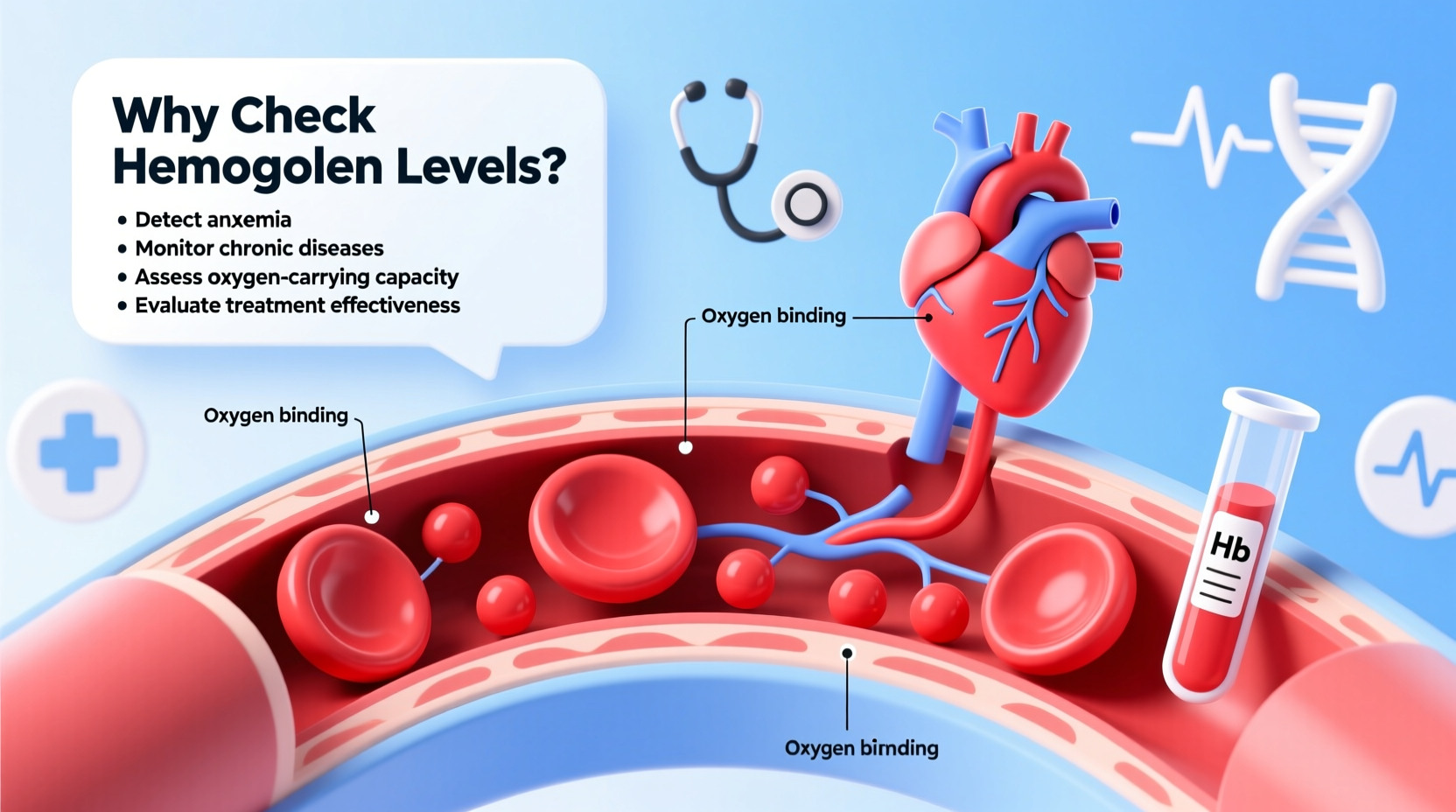
Hemoglobin binds with oxygen in the lungs and transports it through the bloodstream to organs and muscles. Without sufficient hemoglobin, the body struggles to deliver adequate oxygen, leading to symptoms like fatigue, weakness, shortness of breath, and dizziness. Low levels may indicate anemia, while high levels could suggest dehydration, lung disease, or polycythemia—a condition where the body produces too many red blood cells.
The concentration of hemoglobin in the blood is measured in grams per deciliter (g/dL). Normal ranges vary slightly by age, sex, and laboratory standards:
| Group | Normal Hemoglobin Range (g/dL) |
|---|---|
| Adult men | 13.8 – 17.2 |
| Adult women | 12.1 – 15.1 |
| Pregnant women | 11.0 – 12.0 (slightly lower due to increased blood volume) |
| Children (varies by age) | 11.0 – 16.0 |
| Newborns | 14.0 – 24.0 (higher at birth, decreases over first few weeks) |
Maintaining optimal hemoglobin ensures efficient oxygen delivery, supports energy production, and helps prevent long-term organ damage caused by chronic hypoxia (low oxygen).
When Should You Get a Hemoglobin Test?
A hemoglobin test is typically part of a complete blood count (CBC), which is often ordered during annual physicals, pre-surgical evaluations, or when symptoms suggest a blood disorder. Common reasons to test hemoglobin include:
- Unexplained fatigue, weakness, or pale skin
- Symptoms of anemia such as dizziness, cold hands and feet, or rapid heartbeat
- History of gastrointestinal bleeding or heavy menstrual periods
- Chronic diseases like kidney disease, cancer, or autoimmune disorders
- Monitoring response to treatment for anemia or other blood conditions
- Preparation for surgery or blood donation eligibility screening
Certain populations are at higher risk and should consider regular testing. These include pregnant women, individuals with poor diets low in iron or B12, people with inherited blood disorders like sickle cell disease or thalassemia, and older adults who may experience nutritional deficiencies or chronic inflammation.
“Hemoglobin testing is a simple yet powerful tool that often reveals hidden imbalances long before severe symptoms develop.” — Dr. Lena Patel, Hematologist at Boston General Hospital
How the Hemoglobin Test Works: What to Expect
The hemoglobin test requires only a small blood sample, usually drawn from a vein in the arm. No special preparation is needed unless it's being done alongside fasting tests like glucose or cholesterol panels. Results are typically available within 24 to 72 hours.
The process involves:
- Blood draw: A healthcare professional cleans the area, inserts a needle, and collects blood into a tube.
- Laboratory analysis: The sample is analyzed using automated equipment that measures hemoglobin concentration.
- Result interpretation: Your provider reviews the value in context with other CBC components like hematocrit, red blood cell count, and MCV (mean corpuscular volume).
Abnormal results don’t always mean disease—they can be influenced by temporary factors like recent hydration status, altitude living, or intense exercise. However, consistent deviations warrant further investigation.
Common Causes of Abnormal Hemoglobin Levels
| Low Hemoglobin (Anemia) | High Hemoglobin |
|---|---|
| Iron deficiency | Dehydration |
| Vitamin B12 or folate deficiency | Smoking |
| Chronic kidney disease | Lung diseases (e.g., COPD) |
| Heavy menstrual bleeding | Heart disease |
| Blood loss (from ulcers, injury, surgery) | Polycythemia vera (bone marrow disorder) |
| Sickle cell anemia or thalassemia | Living at high altitudes |
Real-Life Example: Early Detection Saves Health
Sarah, a 34-year-old teacher, had been feeling unusually tired for months. She attributed it to stress and busy work schedules. During a routine checkup, her doctor ordered a CBC. Her hemoglobin level was 9.8 g/dL—well below the normal range. Further testing revealed iron-deficiency anemia caused by undiagnosed celiac disease, which impaired nutrient absorption. After starting a gluten-free diet and taking iron supplements, Sarah’s energy returned within weeks, and her hemoglobin normalized in two months.
This case illustrates how a simple hemoglobin test can uncover serious but treatable conditions before irreversible damage occurs.
Action Plan: What to Do Based on Your Results
If your hemoglobin test shows abnormal values, here’s a step-by-step guide to follow:
- Review results with your doctor: Don’t self-diagnose. Context matters—your provider will evaluate symptoms, medical history, and additional lab markers.
- Determine the cause: Additional tests may include serum ferritin (iron stores), vitamin B12, folate, reticulocyte count, or stool tests for occult blood.
- Adjust diet or supplement intake: For iron deficiency, increase consumption of red meat, spinach, lentils, and fortified cereals. Pair with vitamin C-rich foods to enhance absorption.
- Treat underlying conditions: Address causes like ulcers, heavy periods, or chronic diseases affecting bone marrow function.
- Monitor progress: Repeat testing every 4–8 weeks to track improvement, especially if undergoing treatment.
Frequently Asked Questions
Can I have normal hemoglobin but still be anemic?
Yes. In early stages of iron deficiency, hemoglobin may remain within the normal range even though iron stores (ferritin) are low. This is called \"latent iron deficiency.\" Monitoring trends over time and evaluating other CBC parameters can catch anemia before hemoglobin drops significantly.
Does donating blood affect my hemoglobin?
Yes. Blood donation temporarily lowers hemoglobin. Most donors recover within 6–8 weeks through natural red blood cell regeneration. Screening before donation ensures your level is safe for giving—typically above 12.5 g/dL for women and 13.0 g/dL for men.
Are home hemoglobin tests reliable?
Some handheld devices and at-home kits exist, but they’re less accurate than lab-based tests. They may be useful for tracking known conditions under medical supervision but shouldn’t replace clinical evaluation.
Final Thoughts: Make Hemoglobin Part of Your Health Awareness
Checking hemoglobin levels isn’t just for diagnosing anemia—it’s a window into overall metabolic health, oxygen efficiency, and systemic balance. Whether you're managing a chronic illness, planning a pregnancy, or simply aiming to feel your best, knowing your hemoglobin status adds valuable insight. Routine testing removes guesswork and allows timely intervention when imbalances emerge.
Don’t wait for extreme fatigue or visible symptoms to act. Talk to your healthcare provider about including a CBC in your next physical. Small changes in lifestyle, nutrition, or treatment can make a significant difference in maintaining healthy hemoglobin and, by extension, a healthier life.




 浙公网安备
33010002000092号
浙公网安备
33010002000092号 浙B2-20120091-4
Comments
No comments yet. Why don't you start the discussion?