
The Nintendo Switch isn’t just another gaming console—it’s a lifestyle device that blends portability, performance, and personality in a way no other system has managed. Since its 2017 debut, it has redefined what a home console can be, merging seamless transitions between handheld and docked modes with a library of games that cater to casual players, families, and hardcore gamers alike. But what makes millions keep coming back to this hybrid machine when more powerful alternatives exist? The answer lies not in raw specs, but in thoughtful design, enduring software, and an inclusive philosophy that puts fun first.
Versatility That Fits Any Lifestyle
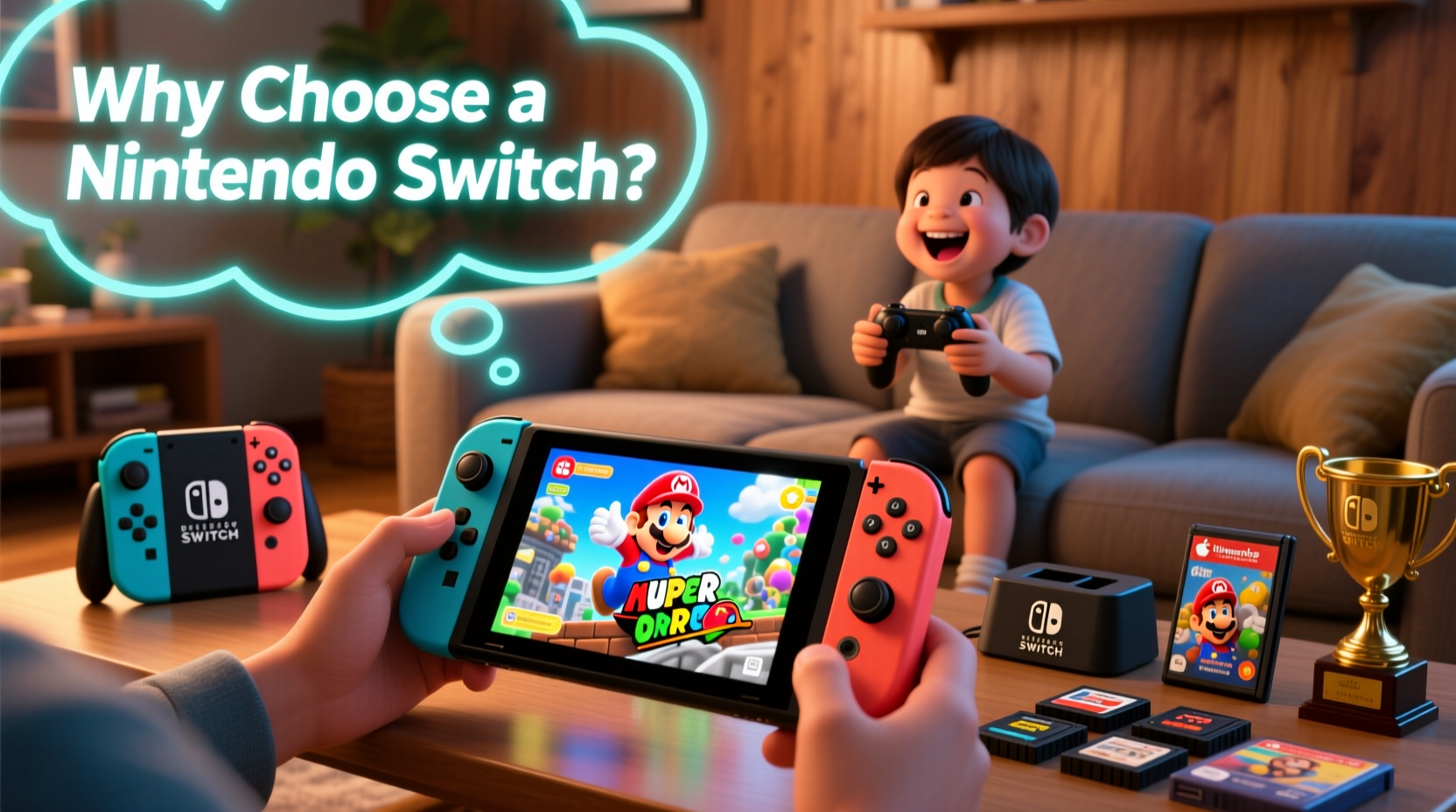
The most distinctive feature of the Nintendo Switch is its hybrid nature. It functions as a full home console when docked to your TV, transforms into a portable handheld for on-the-go play, and even supports tabletop mode using its built-in kickstand. This flexibility means you’re never locked into one way of playing. Whether commuting, traveling, or lounging on the couch, the Switch adapts effortlessly.
This adaptability is especially valuable for modern households. Parents can hand the console to children during long car rides without worrying about setup time. Roommates can share a single system without fighting over screen time. Gamers with busy schedules appreciate being able to pause a session on the train and resume at home—all without losing progress.
Three Modes, One Seamless Experience
- Docked Mode: Connects to your TV via the included dock for full HD gameplay with traditional controllers.
- Handheld Mode: Play directly on the 6.2-inch touchscreen with integrated Joy-Con controllers attached.
- Tabletop Mode: Prop up the console using the rear kickstand and detach Joy-Cons for local multiplayer anywhere.
No other console offers this level of fluid transition between environments. While competitors focus on graphical fidelity or online infrastructure, Nintendo prioritizes accessibility and convenience—qualities that resonate deeply with non-traditional gamers and younger audiences.
A Game Library That Appeals to Everyone
The strength of any console ultimately comes down to its games, and the Switch boasts one of the most diverse and high-quality libraries in modern gaming. From narrative-driven epics like The Legend of Zelda: Tears of the Kingdom to lighthearted party titles such as Overcooked! All You Can Eat, there's something for every mood and audience.
Nintendo’s first-party studios consistently deliver polished, inventive experiences. Franchises like Mario, Animal Crossing, Splatoon, and Metroid have evolved uniquely on the Switch, often leveraging the system’s unique controls and social capabilities. Third-party support has also grown significantly, with optimized ports of major titles like Elden Ring, Monster Hunter Rise, and Hades proving the platform’s viability beyond Nintendo exclusives.
“Nintendo doesn’t chase trends—they create new ways to play.” — David Howard, Senior Editor at GameSpot
Favorites That Define the Platform
| Game Title | Genre | Why It Shines on Switch |
|---|---|---|
| Super Mario Odyssey | 3D Platformer | Leverages motion controls and dual Joy-Con creativity |
| Animal Crossing: New Horizons | Life Simulation | Perfect for bite-sized daily play in handheld mode |
| Metroid Dread | Action-Adventure | Showcases tight controls and cinematic pacing |
| Kirby and the Forgotten Land | Puzzle-Platformer | Uses co-op mechanics ideal for family play |
Family-Friendly Design and Shared Experiences
In an era where gaming is often associated with intense competition or solitary play, the Switch stands out by encouraging connection. Its design philosophy emphasizes shared joy—whether through local multiplayer, cooperative campaigns, or intuitive interfaces suitable for all ages.
Joy-Con controllers are detachable, allowing two players to jump into a game instantly. Titles like Super Smash Bros. Ultimate, Snipperclips, and Just Dance thrive in living rooms, classrooms, and parties. Even complex games often include simplified control options or assist modes, lowering barriers for younger or inexperienced players.
Real Example: The Garcia Family Game Night
The Garcias, a family of five in Portland, used to struggle finding activities everyone could enjoy together. After purchasing a Switch, they began weekly “Switch Sundays.” They rotate games—from racing in Mario Kart 8 Deluxe to fishing in Animal Crossing—and even involve grandparents via video calls while playing. What started as a gift for their 10-year-old turned into a cornerstone of family bonding. “It’s not just entertainment,” says Maria Garcia. “It’s how we stay connected.”
Longevity Through Smart Updates and Accessories
Unlike many consoles tied to rigid generational cycles, the Switch has evolved over time through hardware revisions and ecosystem expansion. The original model was followed by the smaller, longer-battery-life OLED version and the more powerful Switch Lite (dedicated handheld). Each variant serves different needs without fragmenting the user base—games remain compatible across models.
Accessories further extend functionality. Pro Controllers offer traditional ergonomics for extended sessions. Capture cards enable streaming. Third-party docks, carrying cases, and charging solutions reflect a thriving market built around sustained demand.
Step-by-Step: Maximizing Your Switch Setup
- Choose Your Model: Decide between standard (hybrid), Lite (handheld-only), or OLED (enhanced screen/audio).
- Set Up Online Account: Create a Nintendo Account to access eShop, cloud saves, and parental controls.
- Install Key Games: Start with bundled or discounted titles to explore genres.
- Add Accessories: Consider a screen protector, carrying case, and extra Joy-Con if playing multiplayer frequently.
- Enable Cloud Saves: Subscribe to Nintendo Switch Online to back up progress and access classic games.
Frequently Asked Questions
Is the Switch still worth buying in 2024?
Absolutely. With ongoing game releases—including major titles like Princess Peach: Showtime! and continued support from indie developers—the Switch remains relevant. Its user base is still growing, and Nintendo has confirmed new hardware is not imminent, ensuring continued investment in the platform.
Can I play modern AAA games on the Switch?
While the Switch doesn’t run current-gen AAA blockbusters natively, many have been skillfully ported with optimizations. Games like Baldur’s Gate 3, Resident Evil Village, and Star Wars Jedi: Survivor demonstrate impressive technical achievements despite hardware limitations. Performance may vary, but the trade-off in portability and accessibility often outweighs lower frame rates for many users.
What does Nintendo Switch Online offer?
The subscription service provides online multiplayer, cloud save backups, a library of classic NES, SNES, and Game Boy games (with added online features), and exclusive discounts. A Family Plan allows up to eight accounts to share benefits, making it cost-effective for households.
Conclusion: More Than Just a Console
The Nintendo Switch succeeds not because it’s the most powerful or cheapest option, but because it understands what gaming should feel like: joyful, inclusive, and accessible. It removes friction between people and play, whether you're a solo adventurer diving into Hyrule or a group of friends laughing over chaotic rounds of Party Panic. In a market saturated with complexity and competition, the Switch offers simplicity with soul.




 浙公网安备
33010002000092号
浙公网安备
33010002000092号 浙B2-20120091-4
Comments
No comments yet. Why don't you start the discussion?