
In a world of rapid technological change and shifting job markets, few professions offer the enduring value, versatility, and long-term security that accountancy provides. Whether you're a recent graduate exploring career paths or a professional considering a pivot, accounting stands out as a field that combines analytical rigor with real-world impact. It’s not just about numbers—it's about strategy, integrity, and shaping the financial health of businesses and individuals alike.
Accountants are more than number-crunchers; they are advisors, problem solvers, and gatekeepers of economic transparency. From startups to multinational corporations, every organization relies on skilled accountants to navigate regulations, manage risks, and drive sustainable growth. This article explores the compelling reasons why choosing accountancy can lead to a rewarding, stable, and dynamic career.
1. Career Stability and High Demand
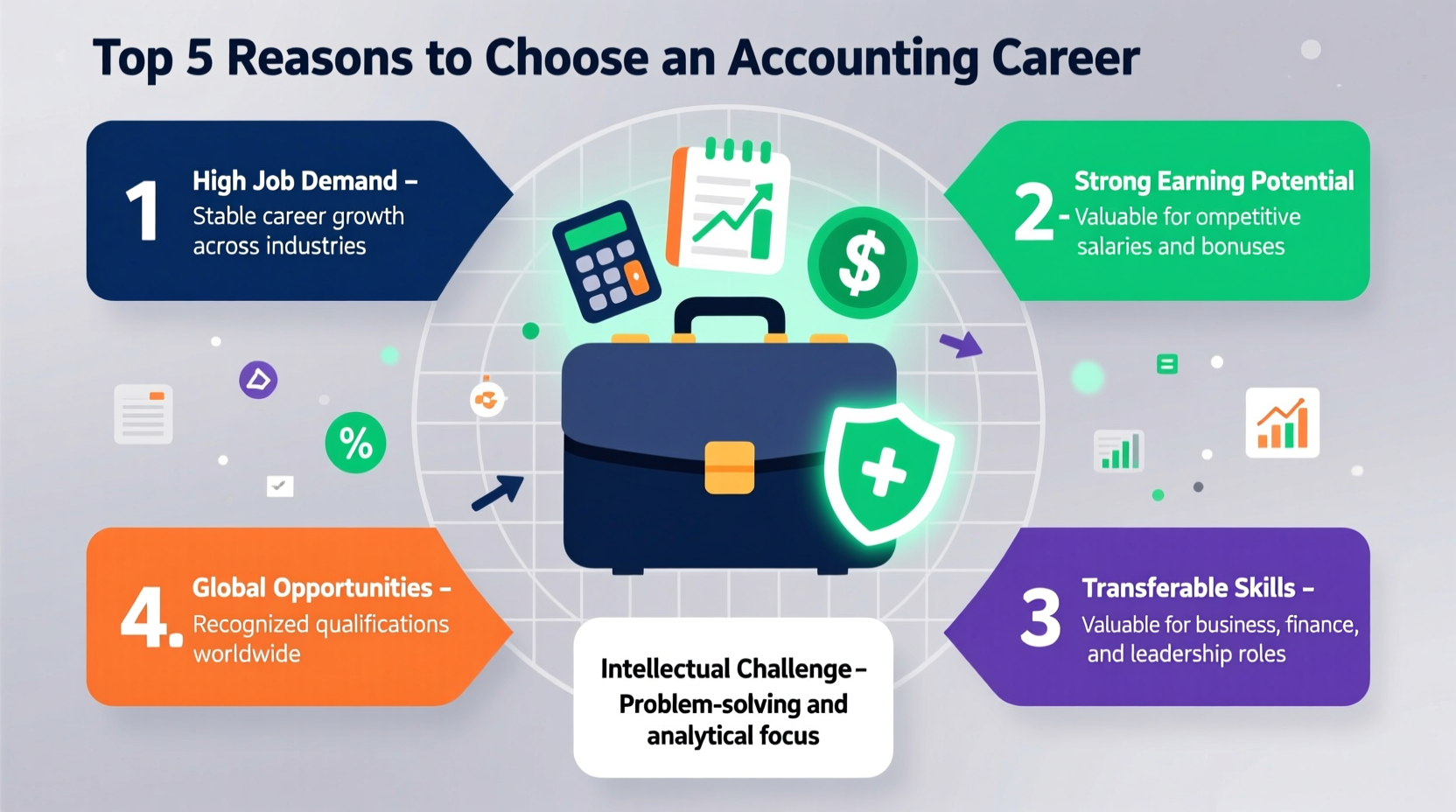
One of the most powerful arguments for entering the accounting profession is its resilience. Economic cycles may fluctuate, but financial reporting, tax compliance, and auditing remain essential functions across all industries. According to the U.S. Bureau of Labor Statistics, employment for accountants and auditors is projected to grow steadily over the next decade, driven by globalization, evolving regulatory environments, and increased scrutiny of financial practices.
Unlike roles vulnerable to automation or market volatility, accountants play a critical role in interpreting data, ensuring legal compliance, and advising decision-makers—functions that require human judgment and ethical discernment. Even during downturns, companies need accurate financial records and cost optimization strategies, making accountants indispensable.
2. Diverse Career Paths and Specializations
Accountancy is not a one-size-fits-all career. It offers a wide spectrum of specializations, allowing professionals to align their work with personal interests and strengths. Whether you’re drawn to investigative work, strategic planning, or public service, there’s a niche within accounting that fits.
| Specialization | Key Focus | Work Environment |
|---|---|---|
| Audit & Assurance | Verifying financial accuracy and compliance | Public accounting firms, internal audit departments |
| Management Accounting | Budgeting, forecasting, and performance analysis | Corporate finance teams |
| Tax Accounting | Filing returns, tax planning, and compliance | Private practice, government agencies, corporations |
| Forensic Accounting | Investigating fraud and financial disputes | Law enforcement, litigation support, consulting |
| Government Accounting | Public fund management and regulatory oversight | Federal, state, or local government offices |
This diversity allows accountants to shift focus throughout their careers without leaving the profession. A CPA working in corporate finance today could transition into forensic accounting tomorrow with targeted training and certifications.
3. Competitive Salaries and Growth Potential
Accounting consistently ranks among the best-paying fields for graduates without advanced degrees. Entry-level positions often start above the national average for bachelor’s degree holders, and salaries increase significantly with certifications and experience.
For example, Certified Public Accountants (CPAs) earn, on average, 10–15% more than non-certified accountants. Senior roles such as Financial Controller, Chief Financial Officer (CFO), or Partner in an accounting firm command six-figure incomes and come with substantial benefits and bonuses.
“Accounting is one of the few professions where technical expertise directly translates into leadership opportunities.” — Sarah Lin, CFO at a mid-sized tech firm
The structured progression from staff accountant to senior roles also means clear benchmarks for advancement. With dedication and continuous learning, professionals can climb the ladder within a decade.
4. Flexibility and Work-Life Balance
Contrary to outdated perceptions of long hours and rigid office settings, modern accounting offers increasing flexibility. Many firms now embrace hybrid or remote work models, especially for tasks like bookkeeping, tax preparation, and financial reporting.
Additionally, self-employment is a viable path. Independent accountants can run their own practices, set client schedules, and specialize in areas like small business advisory or personal tax services. This autonomy appeals to those seeking control over their time and workload.
While peak seasons—such as tax filing deadlines or fiscal year-ends—require extra effort, most of the year allows for predictable hours. Firms aware of burnout trends are investing in wellness programs, flexible PTO, and workload management tools to improve retention and satisfaction.
5. Global Opportunities and Transferable Skills
Financial principles are universal, making accounting one of the most portable careers worldwide. GAAP (Generally Accepted Accounting Principles) and IFRS (International Financial Reporting Standards) provide frameworks recognized across borders. Qualified accountants can work internationally, consult for global clients, or join multinational organizations.
Moreover, the skills developed in accounting—analytical thinking, attention to detail, ethical decision-making, and communication—are highly transferable. These competencies open doors to adjacent fields such as finance, consulting, entrepreneurship, and even technology roles involving financial systems or data analytics.
Mini Case Study: From Staff Accountant to International Consultant
Jamal started as a junior accountant at a regional firm in Toronto, handling payroll and monthly closings. After earning his CPA designation and completing a certification in IFRS, he was recruited by a consulting firm specializing in cross-border financial reporting. Within five years, he was traveling to Europe and Asia, helping companies align their books with international standards. His accounting foundation gave him the credibility and technical knowledge to thrive in a global role—without needing a complete career reboot.
Step-by-Step Guide to Launching Your Accounting Career
- Earn a relevant degree: Complete a bachelor’s in accounting, finance, or business administration with an accounting concentration.
- Gain practical experience: Intern at an accounting firm, nonprofit, or corporate finance department.
- Pursue certification: Prepare for and pass the CPA exam (or equivalent in your country).
- Specialize strategically: Choose a niche based on market demand and personal interest.
- Build a professional network: Join industry associations like AICPA, ACCA, or local CPA societies.
- Commit to lifelong learning: Stay updated on tax law changes, software updates, and emerging trends like ESG reporting.
FAQ
Is accounting still a good career with AI and automation?
Yes. While automation handles repetitive tasks like data entry and reconciliation, it increases the demand for accountants who can interpret results, ensure compliance, and advise clients. The role is evolving—not disappearing.
Do I need to be a math genius to succeed in accounting?
No. Accounting requires comfort with numbers and logic, but advanced mathematics is rarely used. More important are organizational skills, precision, and the ability to explain financial information clearly.
Can I work remotely as an accountant?
Increasingly, yes. Cloud-based accounting platforms like QuickBooks Online, Xero, and NetSuite allow secure access to financial data from anywhere, enabling remote audits, tax preparation, and advisory services.
Conclusion
Choosing accountancy as a career is choosing a path of substance, stability, and significance. It offers the rare combination of intellectual challenge, financial reward, and the chance to make a tangible difference in how organizations operate. Whether you’re passionate about solving financial puzzles, guiding business decisions, or building your own practice, accounting provides the tools and opportunities to thrive.




 浙公网安备
33010002000092号
浙公网安备
33010002000092号 浙B2-20120091-4
Comments
No comments yet. Why don't you start the discussion?