
In recent years, the reverse harem (RH) book trope has surged in popularity across romance, fantasy, and young adult genres. At its core, reverse harem centers on one protagonist—typically a woman—surrounded by multiple romantic interests who are all emotionally or romantically involved with her. While critics sometimes dismiss it as escapism, understanding this trope offers more than just insight into trending fiction—it reveals cultural shifts, narrative innovation, and psychological appeal in modern storytelling.
Choosing to understand the reverse harem trope isn't about endorsing every story that uses it. It’s about recognizing its role in expanding representation, challenging traditional romance structures, and meeting readers’ desires for emotional complexity and agency. Whether you're a writer, reader, or critic, engaging deeply with this trope enriches your literary perspective.
The Cultural Resonance of Reverse Harem Narratives
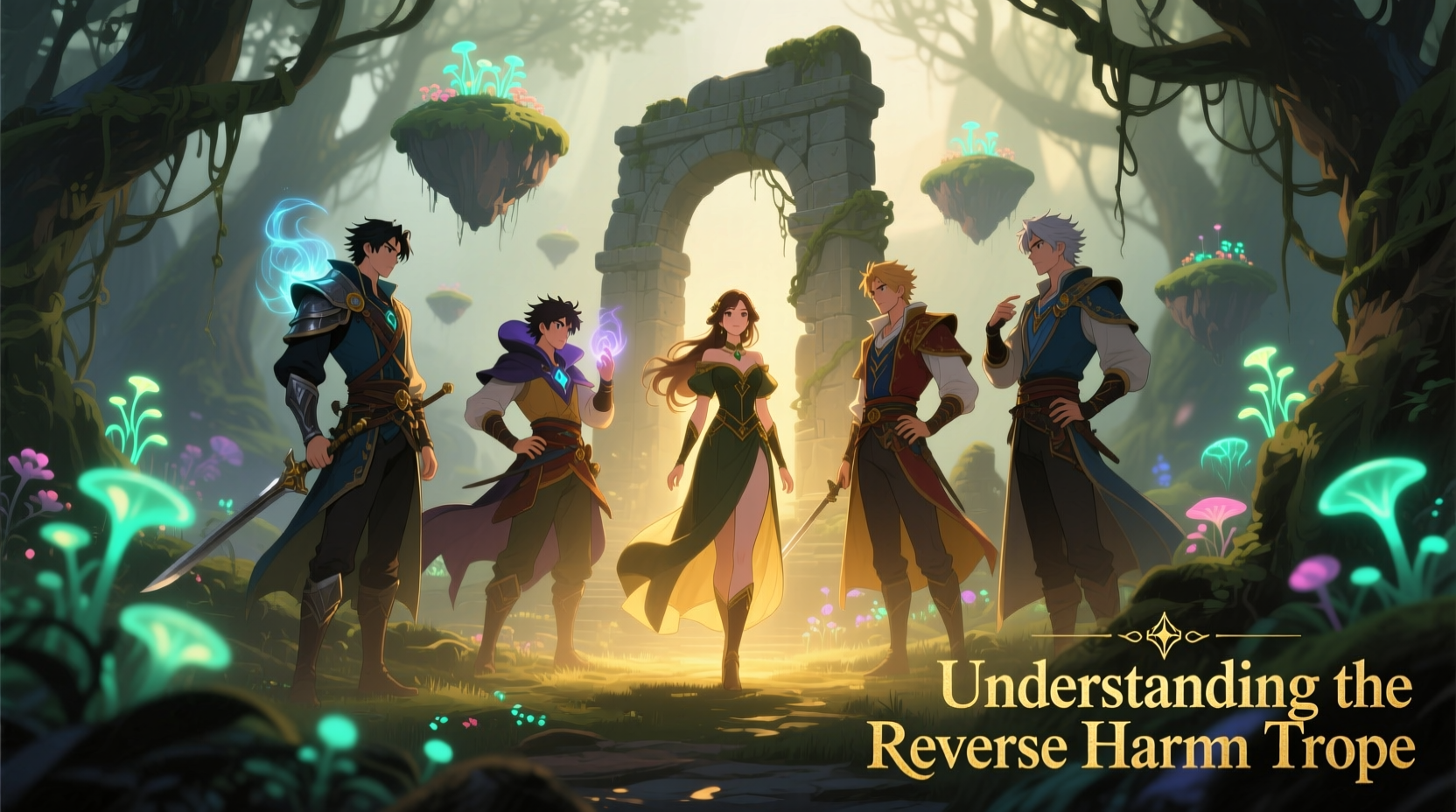
Reverse harem stories often feature a strong central character navigating relationships with multiple partners, each bringing unique strengths, conflicts, and emotional dynamics. This structure contrasts sharply with the conventional “one true love” model dominant in Western romance. Instead, RH narratives explore polyamorous potential, emotional multiplicity, and female empowerment within romantic frameworks.
These stories resonate particularly with audiences seeking alternatives to patriarchal relationship models. In many reverse harem novels, the female lead holds narrative and emotional authority—she chooses when, how, and with whom connections develop. This shift reflects broader societal conversations around autonomy, consent, and redefining intimacy.
“Reverse harem fiction allows women to occupy the center of desire without guilt or limitation—a narrative space historically reserved for male protagonists.” — Dr. Lena Peterson, Literary Sociologist, University of Edinburgh
Understanding this cultural layer helps explain why RH thrives in digital-first platforms like Kindle Unlimited and Wattpad, where diverse voices and experimental formats flourish. Readers aren’t just consuming fantasy—they’re exploring new emotional landscapes shaped by contemporary values.
Psychological Appeal: Why Readers Are Drawn to Multiple Love Interests
The allure of the reverse harem lies not only in romance but in psychological fulfillment. Each suitor often embodies a different archetype—the brooding warrior, the loyal best friend, the mysterious outsider—allowing readers to experience varied emotional connections within a single story.
This multiplicity mirrors real-life human complexity. People are drawn to different traits in different contexts: stability, excitement, intellectual challenge, emotional safety. Reverse harem narratives externalize these internal tensions, letting readers explore idealized versions of connection without forcing artificial exclusivity.
Moreover, the central character’s ability to manage—and be cherished by—multiple partners can symbolize self-worth and emotional abundance. In a world where women are often told they must choose between career, love, or independence, RH fiction says: *What if you could have deep bonds with more than one person—and still be the hero of your own story?*
Structural Breakdown: Key Elements of a Successful Reverse Harem Story
Not all reverse harem books succeed. The most compelling ones rely on deliberate narrative architecture rather than formulaic tropes. Below is a breakdown of essential components that elevate the genre:
| Element | Effective Use | Poor Execution |
|---|---|---|
| Character Agency | Protagonist makes informed choices about relationships | Passive女主; decisions made for her by others |
| Romantic Balance | Each suitor has depth and meaningful development | Suitors feel interchangeable or stereotypical |
| Conflict Source | Tension arises from personal growth or external threats | Drama stems solely from jealousy or miscommunication |
| Worldbuilding | Setting supports plausibility of multiple bonds (e.g., supernatural rules) | Unrealistic dynamics with no cultural or magical justification |
| Emotional Payoff | Relationships evolve meaningfully by story’s end | Unresolved arcs or sudden poly resolution without buildup |
A well-crafted reverse harem novel doesn’t use multiple love interests as decoration. It integrates them into the protagonist’s journey, making romance a vehicle for transformation—not distraction.
Mini Case Study: From Fanfiction to Bestseller
Consider the case of *The Kiss of Death* series by Ali Novak. Originally published on Wattpad, the story follows Rose, a girl who discovers she’s destined to die at 19—unless she can form soul bonds with four spirit guardians. What began as a teen fantasy evolved into a published trilogy praised for balancing action, humor, and emotional depth among five central characters.
Its success wasn’t due to shock value or titillation. Readers connected with Rose’s vulnerability and strength as she navigated trust, loss, and love under extreme pressure. Each guardian represented a facet of healing: protection, wisdom, rebellion, loyalty. Their relationships with Rose felt earned because they were rooted in shared struggle, not convenience.
This example illustrates how understanding the mechanics behind reverse harem can separate fleeting trends from lasting storytelling innovations.
Writing Reverse Harem with Integrity: A Step-by-Step Guide
For authors interested in exploring the trope responsibly, here’s a practical framework:
- Define the protagonist’s emotional arc first. What do they need to learn? How do relationships serve that growth?
- Design suitors as full characters. Give each a backstory, goal, flaw, and independent life outside the romance.
- Establish narrative rules. Is polyamory accepted in-world? Are bonds magical or emotional? Clarity prevents plot holes.
- Balance screen time and development. Rotate POV chapters or scenes to avoid favoritism unless intentional.
- Resolve tension authentically. Avoid deus ex machina pairings or forced throuples. Let dynamics reflect character evolution.
This approach ensures the story respects both readers and the complexity of human (or supernatural) connection.
Common Misconceptions and How to Address Them
Critics often label reverse harem as unrealistic or regressive. Some argue it promotes unhealthy relationship ideals. Others claim it’s merely wish-fulfillment with little literary merit. While valid concerns exist—especially when power imbalances go unexamined—these critiques often stem from misunderstanding the genre’s intent and diversity.
- Reverse harem is not inherently about possessiveness—it can emphasize mutual care and emotional support.
- It doesn’t always depict non-monogamy as easy; many stories highlight jealousy, communication challenges, and boundaries.
- Increasingly, authors are subverting expectations: LGBTQ+ RH stories, male protagonists in female-dominated harems, and asexual leads navigating emotional bonds without physicality.
Frequently Asked Questions
Isn’t reverse harem just the female version of the harem anime trope?
While inspired by harem anime (where a male lead is surrounded by female admirers), reverse harem differs significantly in focus. Traditional harems often marginalize female characters and prioritize male fantasy. Modern reverse harem fiction typically centers the female perspective, emphasizes emotional reciprocity, and gives suitors individual arcs. The power dynamic is frequently reversed—not just in gender roles, but in narrative control.
Can reverse harem stories be feminist?
Yes, when written with intention. Feminist reverse harem narratives prioritize the protagonist’s autonomy, depict healthy communication, reject coercion, and allow for rejection or boundary-setting. The presence of multiple partners doesn’t negate feminism; what matters is whether the character retains agency over her body, choices, and emotional life.
Do all reverse harem books end in polyamory?
No. Some conclude with a clear pairing, others with an open or evolving poly relationship. Increasingly, authors leave endings ambiguous to reflect real-life uncertainty. The trope is flexible—what defines it is the presence of multiple viable romantic options throughout the journey, not the final destination.
Final Thoughts: Why Engagement Matters
Choosing to understand the reverse harem book trope is not about uncritical acceptance. It’s about engaging thoughtfully with a growing segment of popular literature that reflects changing attitudes toward love, identity, and storytelling. These narratives offer more than escapism—they provide space to reimagine relationships, challenge norms, and celebrate emotional richness.
For readers, understanding the trope enhances appreciation and critical thinking. For writers, it opens doors to innovative character dynamics and inclusive romance structures. And for culture at large, it signals a shift toward more expansive, compassionate visions of connection.




 浙公网安备
33010002000092号
浙公网安备
33010002000092号 浙B2-20120091-4
Comments
No comments yet. Why don't you start the discussion?