
Credit cards offer convenience, flexibility, and rewards—but they also carry serious financial risks when misused. While responsible use can build credit and provide cash flow advantages, unchecked spending leads to high-interest debt that can take years to escape. Millions of households struggle under the weight of revolving balances, late fees, and damaged credit scores. Understanding why credit card debt is harmful and learning how to prevent it is essential for long-term financial health.
The Hidden Dangers of Credit Card Debt
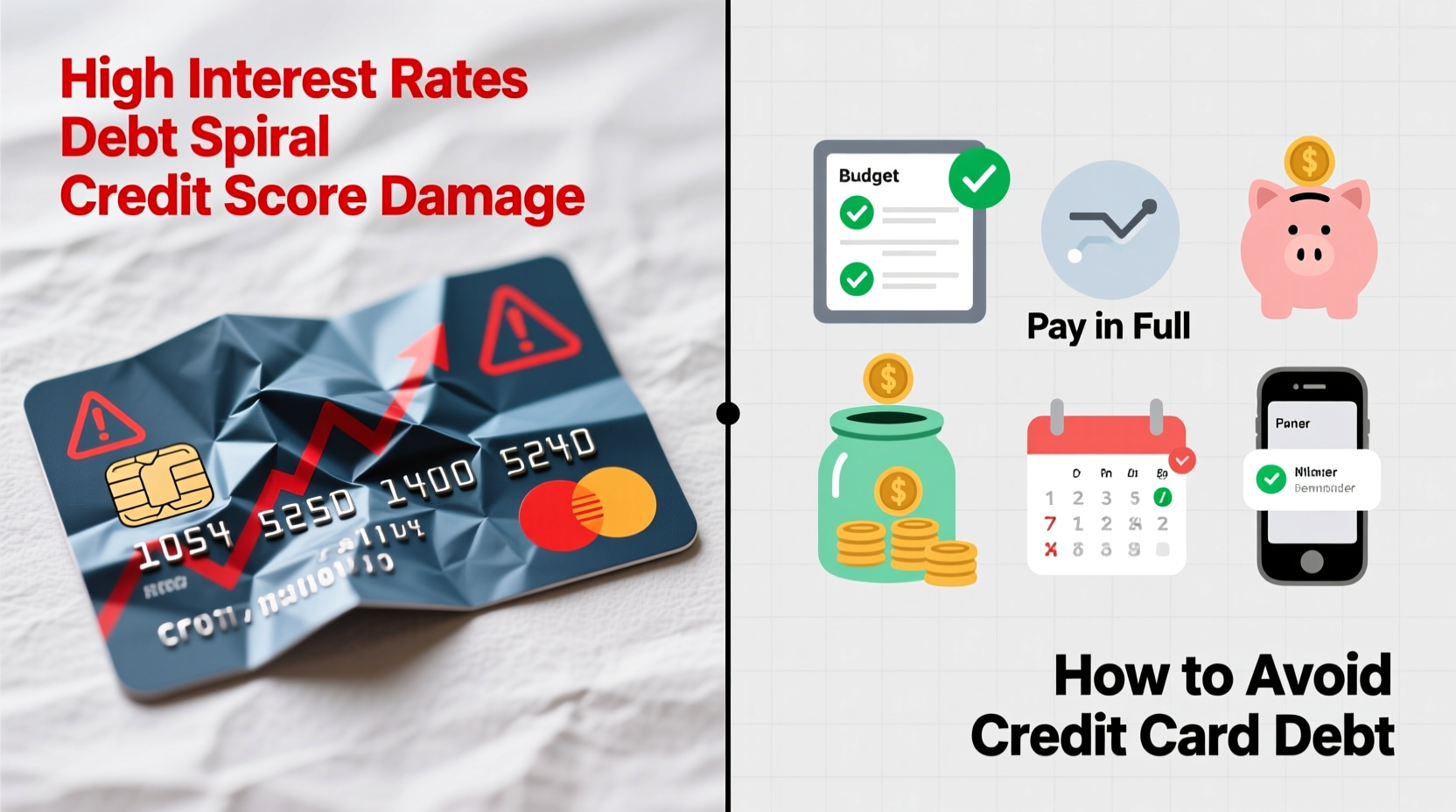
Credit card companies profit from interest and fees, not consumer success. When you carry a balance, compound interest works against you. A $5,000 balance at 24% APR with only minimum payments could take over 20 years to pay off—and cost more than $7,000 in interest alone. This slow drain on income reduces your ability to save, invest, or respond to emergencies.
Beyond interest, credit card debt affects psychological well-being. Studies show a strong link between unsecured debt and anxiety, depression, and relationship strain. The constant pressure of looming payments creates a cycle of stress that impacts sleep, focus, and decision-making.
Key Financial Risks of Accumulating Credit Card Debt
- High Interest Rates: Most credit cards charge 15–29% APR, far exceeding returns from savings or investments.
- Minimum Payment Traps: Paying only the minimum extends repayment timelines and multiplies total costs.
- Credit Score Damage: High credit utilization (balance-to-limit ratio) lowers your score, affecting loan eligibility and rates.
- Debt Snowball Effect: One card leads to another, then another—until multiple balances become unmanageable.
- Reduced Financial Flexibility: Debt limits your ability to save for retirement, buy a home, or handle unexpected expenses.
“Carrying credit card debt is like renting money at an exorbitant rate. You gain nothing tangible while losing purchasing power every month.” — Laura Simmons, Certified Financial Planner
How to Avoid Credit Card Debt: A Practical Guide
Avoiding credit card debt doesn’t require giving up cards entirely—it requires discipline and structure. Follow these steps to use credit wisely without falling into the debt trap.
Step 1: Assess Your Spending Habits
Track all expenses for one month. Categorize them and identify where discretionary spending occurs. Many people underestimate how much they spend on dining out, subscriptions, or impulse purchases.
Step 2: Create a Realistic Budget
Use the 50/30/20 rule as a starting point: 50% for needs, 30% for wants, and 20% for savings and debt repayment. Allocate a fixed amount for credit card use—never exceed it.
Step 3: Use Cards Strategically
Leverage credit cards for planned purchases you can pay off in full each month. Use them to earn rewards, build credit history, or benefit from fraud protection—not to finance lifestyle inflation.
Step 4: Automate Full Payments
Set up automatic full balance payments on your due date. This eliminates late fees and interest while maintaining good credit behavior.
Step 5: Limit the Number of Cards
Having too many cards increases temptation and complicates tracking. Stick to one or two cards with the best terms and rewards for your spending pattern.
Do’s and Don’ts of Credit Card Use
| Do | Don’t |
|---|---|
| Pay your balance in full every month | Only make minimum payments |
| Use alerts for spending thresholds | Max out your credit limit |
| Review statements for errors or fraud | Ignore due dates or fees |
| Choose cards with no annual fee and low APR | Apply for multiple cards in a short time |
| Treat credit like cash—spend within means | Use credit to cover basic living expenses |
Real-Life Example: How Sarah Escaped the Debt Cycle
Sarah, a 32-year-old graphic designer, accumulated $12,000 in credit card debt over three years. She used her cards for groceries, gas, and freelance business expenses, assuming she’d “catch up” during tax season. But irregular income and rising interest made repayment impossible. By the time she sought help, her credit score had dropped below 600, and she was paying over $300 monthly in interest alone.
She took action: froze her cards, created a zero-based budget, and enrolled in a debt management plan through a nonprofit credit counseling agency. Over 36 months, she paid off the debt at a reduced 9% interest rate. Today, she uses one card solely for recurring bills and pays it off automatically each month. Her score has rebounded to 740.
Essential Checklist to Stay Debt-Free
- Review your monthly budget and ensure all expenses are accounted for
- Limit credit card use to planned, necessary purchases
- Set up automatic full payments each billing cycle
- Monitor your credit utilization—keep it below 30%, ideally under 10%
- Cancel unused cards with annual fees or high temptation risk
- Build a small emergency fund ($500–$1,000) to avoid relying on credit in crises
- Check your credit report annually for accuracy and signs of misuse
Frequently Asked Questions
Is it ever okay to carry a credit card balance?
Rarely. While some balance transfer offers allow temporary 0% interest periods, carrying a balance generally costs more than any potential benefit. If you must carry a balance, pay it off before the promotional period ends and avoid new charges.
Does using credit cards hurt my credit score?
No—when used responsibly. In fact, consistent on-time payments and low utilization improve your score. The danger lies in overspending, missed payments, or maxing out limits, which damage your creditworthiness.
What should I do if I already have credit card debt?
Stop adding to the balance immediately. List all debts by interest rate and balance. Consider the avalanche method (pay highest APR first) or snowball method (pay smallest balance first for momentum). Explore balance transfer cards or a debt consolidation loan—if you qualify and won’t repeat the same mistakes.
Take Control of Your Financial Future
Credit card debt isn’t inevitable—it’s a consequence of habit, mindset, and lack of planning. The tools to avoid it are simple: awareness, discipline, and consistency. You don’t need to eliminate credit cards to win financially; you just need to change how you use them.
Start today. Review your last statement. Cancel one unused card. Set up an automatic payment. These small actions compound into lasting freedom. Financial peace isn’t about earning more—it’s about spending wisely, protecting your future, and refusing to let debt dictate your choices.




 浙公网安备
33010002000092号
浙公网安备
33010002000092号 浙B2-20120091-4
Comments
No comments yet. Why don't you start the discussion?