
In an era where nearly every aspect of life intersects with digital technology, cybersecurity has evolved from a technical concern to a fundamental necessity. From personal banking to national infrastructure, cyber threats pose serious risks that can lead to financial loss, reputational damage, and even physical harm. The importance of cybersecurity cannot be overstated—whether you're an individual managing online accounts or a business safeguarding customer data. As cyberattacks grow in frequency and sophistication, understanding the core reasons behind cybersecurity's significance and recognizing its tangible benefits is essential for everyone.
Protecting Sensitive Data from Unauthorized Access
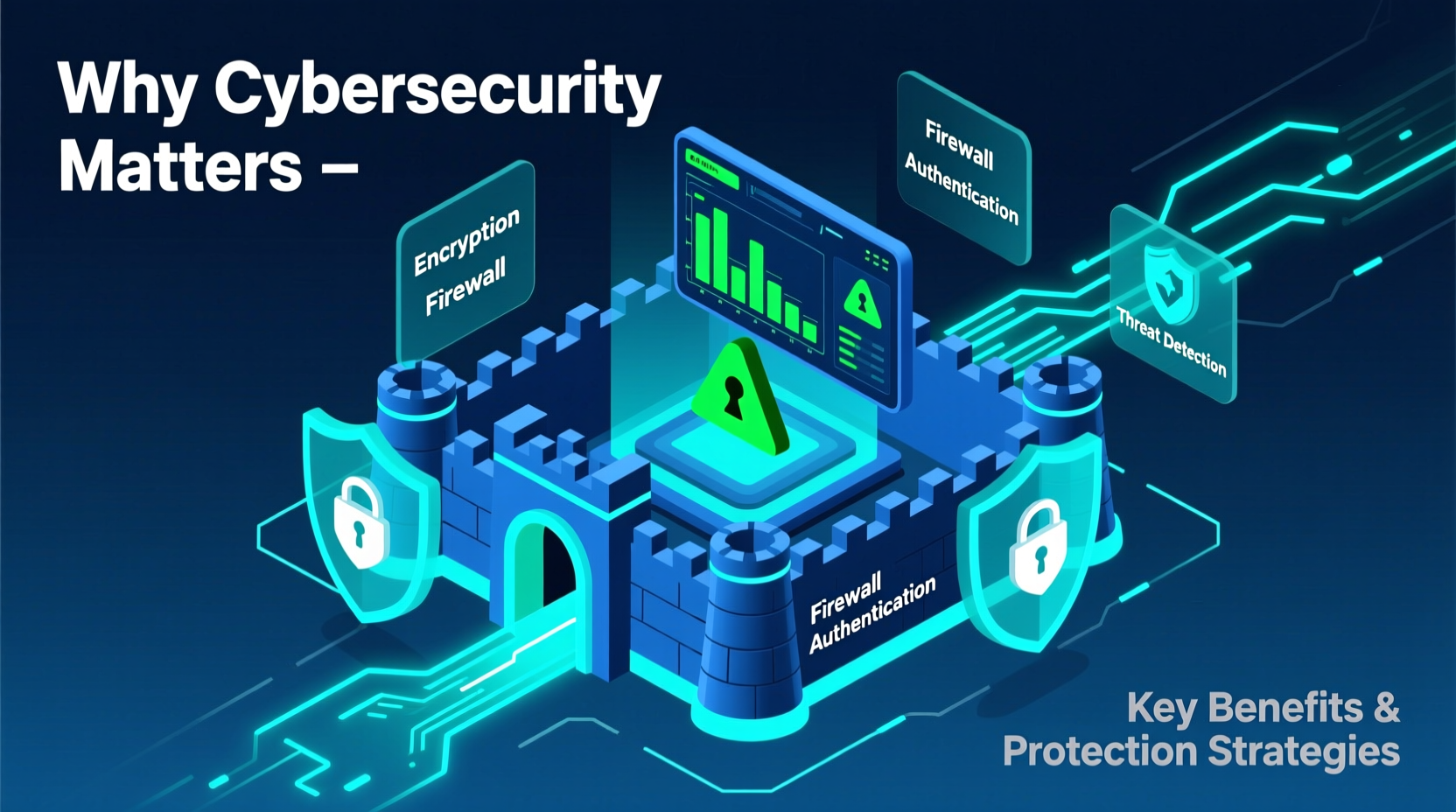
One of the most critical functions of cybersecurity is protecting sensitive information. This includes personal details like Social Security numbers, medical records, financial data, and login credentials. In the wrong hands, this data can be used for identity theft, fraud, or corporate espionage. Cybersecurity measures such as encryption, multi-factor authentication (MFA), and secure access controls ensure that only authorized individuals can access protected systems and information.
For businesses, the stakes are even higher. A single data breach can expose thousands—or millions—of customer records. According to IBM’s Cost of a Data Breach Report 2023, the average cost of a data breach reached $4.45 million globally. These breaches not only result in direct financial losses but also trigger regulatory fines and long-term damage to brand trust.
Safeguarding Business Continuity and Operational Integrity
Cyberattacks don’t just steal data—they can cripple operations. Ransomware attacks, for example, encrypt a company’s files and demand payment for decryption. In many cases, organizations are forced to halt operations entirely while they respond. Hospitals, schools, and manufacturing plants have all been brought to a standstill by such attacks.
Effective cybersecurity ensures business continuity by preventing disruptions caused by malware, denial-of-service (DoS) attacks, or insider threats. Proactive threat detection, regular system backups, and incident response planning allow organizations to recover quickly when incidents occur—and ideally, prevent them altogether.
“Cyber resilience isn't about avoiding attacks—it's about ensuring your organization can withstand and recover from them.” — Dr. Jane Harper, Cybersecurity Strategist at MITRE Corporation
Maintaining Customer Trust and Brand Reputation
Trust is one of the most valuable assets a business holds. When customers share their personal information, they expect it to be handled responsibly. A single security lapse can shatter that trust instantly. After a data breach, users often abandon platforms, leave negative reviews, and switch to competitors.
Strong cybersecurity practices signal to customers that their data is safe. Transparent privacy policies, visible security certifications (like ISO 27001), and prompt disclosure during incidents help maintain credibility. Companies that invest in cybersecurity are more likely to retain loyal customers and attract new ones who prioritize data safety.
Compliance with Legal and Regulatory Requirements
Organizations across industries must comply with strict data protection regulations. Examples include the General Data Protection Regulation (GDPR) in Europe, the Health Insurance Portability and Accountability Act (HIPAA) for healthcare providers in the U.S., and the California Consumer Privacy Act (CCPA). Non-compliance can lead to severe penalties—up to 4% of global annual revenue under GDPR.
Implementing robust cybersecurity frameworks helps organizations meet these legal obligations. It ensures proper handling, storage, and processing of personal data, along with mandatory reporting procedures in case of breaches. Beyond avoiding fines, compliance fosters a culture of accountability and ethical data stewardship.
| Regulation | Industry | Key Requirement | Potential Penalty |
|---|---|---|---|
| GDPR | All sectors (EU) | User consent & right to erasure | Up to €20M or 4% of global revenue |
| HIPAA | Healthcare (U.S.) | Secure patient health records | $50k–$1.5M per violation |
| CCPA | Businesses serving CA residents | Right to know & delete data | $2,500–$7,500 per intentional violation |
Preventing Financial Loss and Reducing Risk Exposure
The financial implications of poor cybersecurity extend far beyond immediate theft or ransom payments. Hidden costs include forensic investigations, legal fees, customer compensation, public relations efforts, and increased insurance premiums. Small businesses are particularly vulnerable—nearly 60% go out of business within six months of a cyberattack, according to the U.S. National Cyber Security Alliance.
Investing in cybersecurity reduces overall risk exposure. Firewalls, endpoint protection, employee training, and vulnerability assessments act as preventive safeguards. Over time, these investments yield significant returns by minimizing downtime, preserving revenue streams, and protecting intellectual property.
Mini Case Study: The Colonial Pipeline Attack
In May 2021, the Colonial Pipeline—a major fuel supplier on the U.S. East Coast—was hit by a ransomware attack attributed to the hacking group DarkSide. The attackers gained access through a compromised password on a legacy virtual private network (VPN) account that lacked multi-factor authentication.
The result? Operations were shut down for five days, causing widespread fuel shortages and panic buying. Colonial paid approximately $4.4 million in ransom. While most funds were later recovered, the incident highlighted how outdated systems and weak access controls could disrupt critical infrastructure. In response, the company invested heavily in modernizing its cybersecurity posture, including enhanced monitoring and identity management.
Step-by-Step Guide to Strengthening Personal Cybersecurity
Individuals play a vital role in the broader cybersecurity ecosystem. Simple actions can dramatically reduce personal risk. Follow this practical timeline to improve your digital safety:
- Week 1: Update all devices (phones, computers, routers) to the latest software versions.
- Week 2: Enable multi-factor authentication on email, banking, and social media accounts.
- Week 3: Replace weak passwords with strong, unique ones using a reputable password manager.
- Week 4: Review app permissions and disable unnecessary access (e.g., location, contacts).
- Ongoing: Be cautious with email attachments and links—verify senders before clicking.
Essential Cybersecurity Checklist for Businesses
- ✅ Conduct regular employee cybersecurity awareness training
- ✅ Install firewalls and antivirus software on all endpoints
- ✅ Back up critical data daily and store backups offline
- ✅ Apply security patches promptly
- ✅ Limit user access based on roles (principle of least privilege)
- ✅ Develop and test an incident response plan annually
- ✅ Encrypt sensitive data both at rest and in transit
Frequently Asked Questions
Why is cybersecurity important for small businesses?
Small businesses often lack dedicated IT teams and robust defenses, making them attractive targets. Yet they handle customer data, bank details, and internal communications—all of which require protection. A breach can destroy reputation and lead to closure. Investing in basic cybersecurity tools and practices is both affordable and necessary.
Can strong passwords alone protect me online?
No. While strong passwords are important, they’re just one piece of the puzzle. Attackers use phishing, malware, and social engineering to bypass password protections. Combining strong passwords with MFA, updated software, and vigilance against scams provides much stronger defense.
Is cybersecurity only relevant to tech companies?
Absolutely not. Every industry—from agriculture to education—is increasingly digitized. Any organization that uses computers, stores data, or connects to the internet needs cybersecurity. Even non-tech roles now rely on digital tools, expanding the attack surface.
Conclusion: Take Action Before It’s Too Late
Cybersecurity is no longer optional—it’s a responsibility shared by individuals, organizations, and governments alike. The consequences of neglecting it are too great to ignore: financial ruin, legal liability, operational collapse, and irreversible loss of trust. But the good news is that effective protection is within reach. By understanding the key reasons cybersecurity matters and implementing proven strategies, you can significantly reduce your risk and build resilience in an unpredictable digital landscape.




 浙公网安备
33010002000092号
浙公网安备
33010002000092号 浙B2-20120091-4
Comments
No comments yet. Why don't you start the discussion?