
Chris Alonso, portrayed by actor Kenny Johnson, was a central figure in CBS’s hit police procedural *S.W.A.T.* from its debut in 2017. As one of the original members of Sergeant Daniel “Hondo” Harrelson’s elite team, Alonso brought depth, loyalty, and emotional complexity to the show. His sudden departure in Season 6 shocked fans and left many wondering: why did Chris Alonso leave *S.W.A.T.*? The answer lies at the intersection of real-world events, creative storytelling, and personal convictions—both for the actor and his character.
The On-Screen Exit: A Storyline Rooted in Trauma
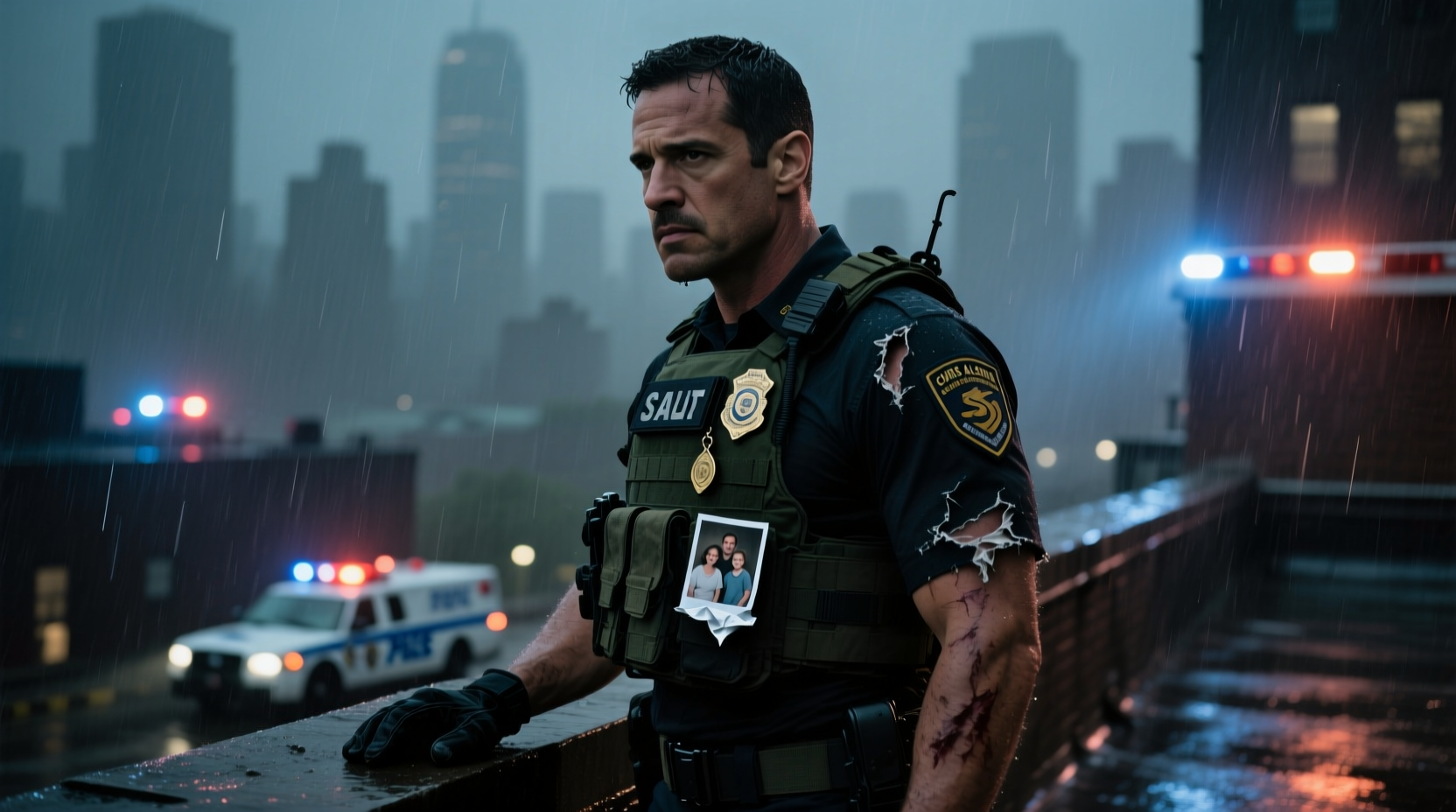
Alonso’s final appearance occurred in Season 6, Episode 14, titled \"Home.\" The episode marked a turning point not just for the character, but for the entire tone of the series. After being critically injured in an explosion during a mission, Alonso spent weeks recovering physically—but it was the psychological toll that ultimately defined his exit.
The writers chose to explore post-traumatic stress disorder (PTSD) with nuance, showing how even the most resilient officers can reach a breaking point. Despite returning to duty, Alonso struggled with anxiety, flashbacks, and emotional detachment. In a heartfelt conversation with Hondo, he admitted he could no longer separate his work from his personal life. The job had begun to consume him.
His decision to resign wasn’t framed as a failure, but as an act of self-preservation. In his farewell scene, Alonso told Hondo: “I love this team. I love what we do. But if I stay, I’m gonna lose myself—and I’ve already lost too much.” With that, he walked away to focus on healing and rebuilding his relationship with his daughter, Vivienne.
The Real-World Catalyst: Kenny Johnson’s Contract Dispute
While the narrative explanation was powerful, the real reason behind Chris Alonso’s departure stems from behind-the-scenes developments involving actor Kenny Johnson. In early 2023, Johnson publicly revealed that he had been offered a new contract for Season 6—one that included a significant pay cut and reduced role prominence.
In an interview with TVLine, Johnson stated:
“They asked me to take a 50% pay cut and go on indefinite recurring status. That didn’t sit right with someone who’d been there since Day One.”
This decision came amid broader cast restructuring at CBS. Several long-standing actors across network shows faced similar renegotiations as production costs rose and streaming rights reshaped traditional TV economics. For Johnson, the offer felt like a devaluation of his seven years of consistent contribution.
Rather than accept diminished terms, Johnson and the producers agreed to write Alonso out with dignity—giving the character a meaningful, emotionally resonant conclusion rather than fading into the background.
A Comparative Look: Contract Changes Across S.W.A.T. Cast
| Actor | Role | Tenure | Status Change | Reason Cited |
|---|---|---|---|---|
| Kenny Johnson | Chris Alonso | Seasons 1–6 | Departed | Contract dispute, pay reduction |
| Lina Esco | Christina “Chris” Alonso | Seasons 1–5 | Departed | Creative direction, off-screen exit |
| Alex Russell | Jim Street | Seasons 1–7 | Recurring (Season 7) | Budget adjustments |
| Shemar Moore | Daniel “Hondo” Harrelson | Seasons 1–present | Main cast | Lead actor, executive producer |
The table highlights a pattern: as *S.W.A.T.* progressed beyond its fifth season, financial pressures led to strategic cast changes. While some exits were narrative-driven, others—including Alonso’s—were influenced by contractual realities.
Impact on the Team Dynamic and Fan Reaction
Alonso wasn’t just a skilled officer; he was the moral anchor of the unit. His calm demeanor, strong ethics, and commitment to community policing made him a fan favorite. His absence left a noticeable void in both tactical operations and emotional grounding.
Fans took to social media in droves after his departure. On Twitter, one viewer wrote: “Alonso was the heart of the team. Without him, S.W.A.T. feels more procedural and less personal.” Reddit threads debated whether the show had lost its original soul, with many arguing that character-driven storytelling had given way to action-heavy plots.
“Characters like Alonso reminded us that policing isn’t just about firepower—it’s about responsibility, empathy, and knowing when to walk away.” — Dr. Lena Pruitt, Cultural Analyst, Media & Society Journal
The show attempted to fill the gap with new characters, including Officer Luca Moran (played by Kenny Johnson’s real-life son, Kenny Johnson Jr.), introduced in Season 7. While appreciated for fresh energy, Moran lacked the layered history and emotional investment fans had built with Alonso over six seasons.
What Could Have Been: A Missed Opportunity?
Some critics argue that Alonso’s arc didn’t need to end with resignation. Given his expertise in crisis negotiation and youth outreach, future storylines could have transitioned him into training, community liaison work, or even a leadership role within the LAPD.
Instead, the writers chose finality—a clean break that honored the character’s integrity but closed the door on potential growth. This decision, while narratively sound, may have prioritized convenience over continuity, especially considering the show’s ongoing emphasis on legacy and mentorship.
Mini Case Study: Officer Mark Reyes – A Parallel Path
In a fictional but plausible scenario, imagine if Alonso had taken a sabbatical instead of resigning. He could have returned in Season 8 as a guest instructor at the S.W.A.T. academy, mentoring new recruits while managing his PTSD through therapy and support systems. This mirrors real-life programs like the LAPD’s Wellness Division, which helps officers transition during recovery.
Such a storyline would have maintained audience connection, reinforced mental health awareness, and allowed Kenny Johnson to return for key episodes without full-time commitment—potentially resolving both creative and contractual challenges.
Actionable Takeaways: How Shows Can Handle Character Exits Gracefully
- Honor the character’s journey with a meaningful send-off that aligns with their values.
- Communicate transparently with fans when real-world factors influence casting.
- Leave narrative doors open—resignation doesn’t have to mean permanent disappearance.
- Support actor advocacy by negotiating fairly, especially for long-serving cast members.
- Use exits to spotlight important issues, such as mental health, work-life balance, and institutional pressures.
Frequently Asked Questions
Did Kenny Johnson quit S.W.A.T., or was he fired?
Neither. Kenny Johnson was offered a reduced contract and chose not to renew under those terms. His departure was mutual and professionally managed, allowing for a respectful on-screen exit.
Will Chris Alonso return to S.W.A.T. in the future?
As of now, there are no official plans for his return. However, Shemar Moore has hinted that the door is open “if the story calls for it.” Given Alonso’s popularity, a limited guest appearance remains possible.
Was Alonso’s PTSD storyline based on real experiences?
Yes. The writers consulted with active and retired law enforcement officers to portray PTSD authentically. Many officers face similar struggles, and the show aimed to reduce stigma by showing healing as a valid, courageous path.
Conclusion: A Departure That Resonates Beyond the Screen
Chris Alonso’s exit from *S.W.A.T.* was more than a plot twist—it was a reflection of the complex realities behind television production and the human cost of frontline service. Whether driven by budget cuts or burnout, his departure underscores a universal truth: even the strongest among us need space to heal.
For fans, Alonso remains a symbol of integrity, compassion, and quiet strength. His legacy lives on not just in past episodes, but in the conversations he sparked about mental health, equity in entertainment, and the value of long-term storytelling.




 浙公网安备
33010002000092号
浙公网安备
33010002000092号 浙B2-20120091-4
Comments
No comments yet. Why don't you start the discussion?