
In the popular anime series The Quintessential Quintuplets, fans have long been captivated by its emotional storytelling, character development, and visual artistry. One subtle yet striking detail that sparked widespread discussion is the noticeable shift in protagonist Futarou Uesugi’s eye color across different arcs of the show. Initially depicted with dark brown or black eyes in early episodes, viewers later observed a transition to a warm amber or golden hue during pivotal emotional moments. This change, while seemingly minor, has prompted deep analysis among fans and critics alike. Was it an artistic oversight, a narrative device, or part of a larger symbolic framework? This article explores the most credible explanations and prevailing theories behind Futarou’s evolving eye color.
Animation Style and Studio Decisions
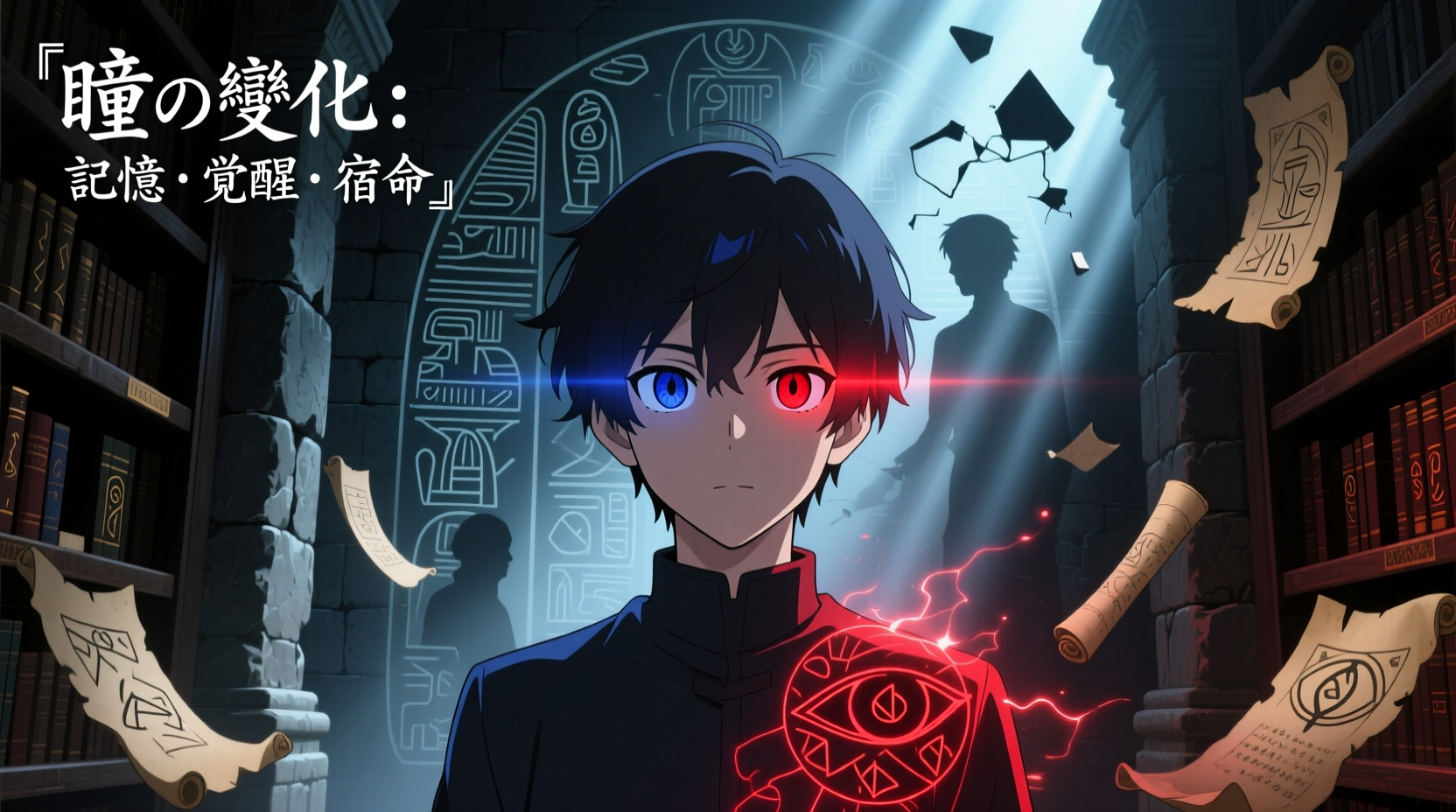
One of the most straightforward explanations lies in the production process itself. The Quintessential Quintuplets was animated by Shaft, a studio known for its distinctive visual flair, experimental camera angles, and deliberate use of color symbolism. Unlike more standardized anime studios, Shaft often employs dynamic lighting and shifting palettes to reflect mood, time of day, or internal character states.
In early episodes, Futarou’s eyes were rendered in a darker tone, consistent with his stoic, emotionally closed-off persona. As the story progressed and the animation team gained creative momentum, the decision may have been made to subtly alter his eye color to visually represent his internal transformation. The shift from dark to amber coincides with key developments: increased vulnerability, growing bonds with the Nakano sisters, and moments of introspection.
Symbolism of Emotional Transformation
Futarou begins the series as a rigid, academically driven teenager who suppresses emotions in favor of logic and duty. His initial dark eyes mirror this detachment—a visual metaphor for emotional coldness or isolation. As he gradually opens up, forms meaningful relationships, and confronts personal trauma, the shift to amber eyes symbolizes warmth, empathy, and emotional awakening.
This kind of color symbolism is common in anime. For example:
- Characters often gain brighter eye colors after overcoming trauma.
- Antagonists may be drawn with colder tones (blue, gray) to suggest emotional distance.
- Golden or amber hues are frequently associated with sincerity, passion, or inner strength.
In Futarou’s case, the eye color evolution parallels his journey from isolation to connection. The golden tint emerges most prominently during flashbacks involving his late mother, heartfelt conversations with the quintuplets, and scenes where he expresses genuine care—moments when his emotional guard is down.
“Color is never arbitrary in Japanese animation. When a character’s eyes change, it’s usually intentional—a silent cue that something fundamental has shifted.” — Dr. Akari Tanaka, Anime Studies Scholar, Kyoto University of Arts
Fan Theories: Identity, Memory, and Symbolic Duality
Beyond production and symbolism, several compelling fan theories attempt to explain the eye color shift through narrative lenses. While not confirmed by the manga author Negi Haruba, these ideas reflect deep engagement with the story’s psychological layers.
Theory 1: Trauma and Suppressed Identity
Some fans argue that Futarou’s dark eyes represent his “survival mode”—a persona developed after his mother’s death and years of financial hardship. The amber eyes, seen in softer, nostalgic, or affectionate scenes, symbolize his true self: kind, sensitive, and emotionally open. The fluctuation between colors reflects his struggle to reconcile these two identities.
Theory 2: Maternal Inheritance
A recurring theme in the series is Futarou’s deep bond with his late mother, who encouraged him to keep studying despite their struggles. In one flashback, she is shown with warm-toned eyes. Fans speculate that the amber hue resurfaces when Futarou acts in alignment with her values—perseverance, kindness, and quiet sacrifice—making the eye color a visual homage to her influence.
Theory 3: Visual Foreshadowing of Romantic Resolution
Given the series’ central mystery—“Which sister does Futarou end up with?”—some viewers believe the eye color shift serves as subtle foreshadowing. Notably, his amber eyes appear most consistently in scenes involving Itsuki, the sister most tied to themes of authenticity and emotional honesty. While speculative, this theory suggests that visual cues may guide audiences toward the eventual romantic conclusion.
Comparison Across Media: Manga vs. Anime
An important distinction lies in how Futarou’s eyes are portrayed across different formats. In the original manga, his eyes remain consistently dark throughout, with shading used to convey emotion rather than color shifts. The anime adaptation, however, introduces chromatic variation due to its full-color animation capabilities.
| Medium | Eye Color Consistency | Emotional Cues Used |
|---|---|---|
| Manga | Consistently dark | Shading, line work, panel composition |
| TV Anime (Season 1) | Mostly dark, occasional amber | Lighting, color grading, close-ups |
| Movie / Final Arc | Predominantly amber | Sustained warm palette, soft focus |
This contrast highlights how adaptations can expand upon source material using visual tools unique to animation. The anime’s choice to vary eye color enhances emotional storytelling without contradicting the manga’s narrative.
Step-by-Step Guide: How to Analyze Character Eye Changes in Anime
If you're interested in understanding similar visual cues in other series, follow this analytical approach:
- Identify the baseline: Note the character’s default eye color in neutral or early scenes.
- Track changes over time: Record when and under what circumstances the color shifts occur.
- Correlate with plot points: Match color changes to emotional milestones, flashbacks, or conflicts.
- Consider lighting and setting: Determine if the change is due to environment (e.g., sunset glow) or intentional design.
- Review creator interviews: Look for statements from animators or directors about visual intent.
- Compare across media: Check manga, light novels, or games for consistency.
Mini Case Study: The Train Station Scene (Season 2, Episode 10)
One of the most cited examples of Futarou’s eye color change occurs during the emotional train station reunion with Itsuki. Up to this point, his eyes had remained predominantly dark, even during intimate moments. However, in the final scene—where he runs to stop her departure—his eyes are clearly rendered in golden amber under the evening light.
This moment marks a turning point: Futarou publicly prioritizes emotion over pride, choosing to express his feelings despite social discomfort. The sustained use of amber, combined with warm background tones and soft focus, reinforces the significance of his emotional breakthrough. Fans widely regard this scene as the definitive “activation” of his transformed visual identity.
Common Misconceptions and Clarifications
Despite the depth of analysis, some misunderstandings persist:
- Misconception: The change was due to poor color consistency or animation errors.
Reality: The shift follows a clear pattern tied to narrative arcs, suggesting intentionality. - Misconception: Amber eyes mean he’s related to the Nakano family.
Reality: No canonical evidence supports this; it’s purely symbolic. - Misconception: Only one sister sees him with amber eyes.
Reality: The color appears around multiple characters during sincere interactions, not limited to romantic interest.
FAQ
Did the manga ever explain Futarou’s eye color change?
No. The manga maintains consistent eye coloring, using traditional shading techniques instead. The anime-only variation is an interpretive addition by the animation team.
Is there an official statement from the studio about the eye color?
Not explicitly. However, in a 2021 interview, director Morio Asaka mentioned that “color plays a subconscious role in guiding audience empathy,” supporting the idea of intentional palette shifts.
Can eye color changes indicate future plot twists in anime?
They can. While not a universal rule, many series use such visual cues to signal internal change, hidden lineage, or power awakenings—especially in shonen and romance genres.
Conclusion: A Subtle Masterstroke in Visual Storytelling
Futarou’s eye color change in The Quintessential Quintuplets is far more than a stylistic quirk—it’s a testament to the power of visual language in anime. Whether interpreted as a reflection of emotional growth, a tribute to lost loved ones, or a carefully orchestrated narrative signal, the shift from dark to amber eyes enriches the viewer’s experience without a single word of exposition.
This subtle detail invites deeper engagement, rewarding attentive fans with a richer understanding of character psychology. It reminds us that in animation, even the smallest visual elements can carry profound meaning.




 浙公网安备
33010002000092号
浙公网安备
33010002000092号 浙B2-20120091-4
Comments
No comments yet. Why don't you start the discussion?