
Suguru Geto’s transformation from a promising jujutsu sorcerer to one of the most ideologically complex antagonists in *Jujutsu Kaisen* is not a sudden plunge into villainy—it’s a slow, painful unraveling shaped by trauma, disillusionment, and a warped sense of justice. Unlike typical villains driven by power or revenge, Geto’s motivations stem from deeply held beliefs about humanity, curses, and survival. Understanding his fall requires more than just plot points; it demands an examination of philosophy, personal loss, and systemic failure within the jujutsu world.
The Idealism of Youth: Geto’s Early Beliefs
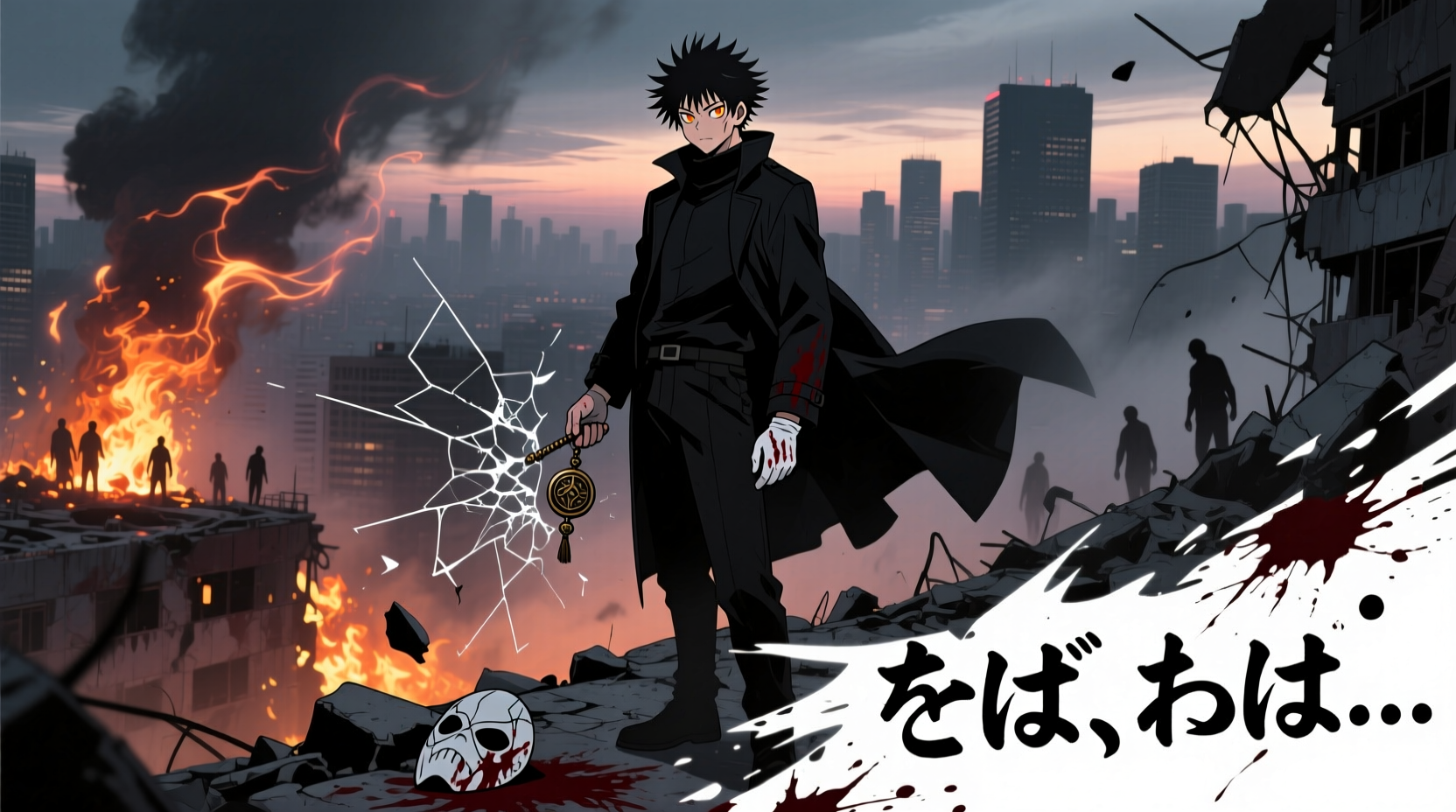
At Tokyo Jujutsu High, Geto was once a top-tier student—charismatic, powerful, and fiercely dedicated to protecting non-sorcerers. Alongside his best friend Satoru Gojo, he believed in a future where jujutsu sorcerers served as invisible guardians of society. Their mission was clear: eliminate curses without exposing the supernatural world to civilians.
Geto wasn’t inherently malicious. In fact, he showed compassion early on—particularly during the flashback arc set in 2006, when he and Gojo rescued a young girl possessed by a cursed spirit at an orphanage. The experience reinforced his belief that protecting innocents was worth any sacrifice.
“We’re supposed to protect people who can’t protect themselves.” — Suguru Geto, pre-fall
This idealism made his eventual betrayal all the more tragic. The seeds of his downfall weren’t planted in malice but in repeated exposure to human cruelty and the hypocrisy of the jujutsu system.
The Breaking Point: Trauma and Disillusionment
The pivotal moment in Geto’s descent came after a mission in which he saved a group of non-sorcerers from cursed spirits. Instead of gratitude, he was met with fear, hatred, and violence. One man screamed, “Don’t touch me, you monster!” despite Geto having just risked his life for them. This incident shattered his worldview.
For years, Geto had sacrificed himself under the assumption that humans were worth protecting—that their fear of curses stemmed from ignorance, not inherent wickedness. But this moment revealed a darker truth: many humans were not innocent victims. They were capable of profound cruelty, especially toward those they didn’t understand.
Compounding this trauma was the constant death toll among sorcerers. He began questioning why sorcerers—who were born with abilities they didn’t choose—should die protecting people who would never accept them. The jujutsu higher-ups offered no answers, only rigid traditions and caste-like discrimination against non-sorcerer-born practitioners.
The Philosophical Shift: From Protector to Revolutionary
After leaving the jujutsu world, Geto developed a radical new ideology: Only sorcerers are truly human. Non-sorcerers are the real curse.
To him, curses were born from human negative emotions. Therefore, eliminating non-sorcerers—the source of curses—would end the cycle of suffering. It was a twisted form of utilitarianism: destroy the impure to save the evolved. In his mind, he wasn’t committing genocide—he was engineering a better world.
This belief wasn’t formed overnight. It emerged from years of reflection, isolation, and association with other outcasts. His time with Kenjaku (revealed later) further radicalized him, though the core ideology was already taking root before their alliance.
Geto didn’t see himself as evil. He saw himself as a necessary force of evolution—like a surgeon amputating a diseased limb to save the body. His cold demeanor in later years wasn’t born of sadism, but of conviction. He had mourned the world he once wanted to protect and accepted that its destruction was inevitable.
A Comparative Look: Geto vs. Gojo
| Aspect | Geto Suguru | Gojo Satoru |
|---|---|---|
| Core Belief | Non-sorcerers are the root of curses; elimination is necessary. | Sorcerers must protect the weak, even if unappreciated. |
| View of Humanity | Cynical—sees widespread ignorance and cruelty. | Hopeful—believes change is possible through education. |
| Approach to Reform | Revolutionary destruction. | Systemic reform from within. |
| Fate of Ideals | Abandoned original mission, embraced extremism. | Held onto ideals despite adversity. |
| Relationship with Power | Used it to isolate and reshape the world. | Used it to protect and empower others. |
Their divergence highlights a central theme in *Jujutsu Kaisen*: how two people with identical starting points can arrive at opposite conclusions based on trauma and interpretation. Gojo also experienced rejection and loss, yet chose hope. Geto chose despair—and action based on that despair.
Key Events in Geto’s Descent
- 2006 Orphanage Mission: Initial reinforcement of protective instincts.
- Post-Mission Rejection: Civilians call him a monster despite saving them—first major crack in faith.
- Death of Junpei Yoshino: A boy he mentored is killed by a curse created from peer bullying. Geto realizes even children generate cursed energy through cruelty.
- Leaving Jujutsu Society: Abandons his role, cuts ties with Gojo.
- Alliance with Kenjaku: Begins orchestrating large-scale plans for human extinction.
- Massacre of Non-Sorcerers: Carries out killings to gather followers and test his ideology.
- Execution by Gojo: Final confrontation where Gojo kills him to stop his plan.
The death of Junpei was particularly symbolic. Junpei was a regular boy who wanted to become a hero. His murder by a curse born from schoolyard bullying proved to Geto that innocence was a myth—even children could create horrors. If the next generation was just as corrupt, what hope was there?
“Cursed energy comes from people. So the ones creating curses… are people.” — Suguru Geto
Was Geto Truly Evil?
Labeling Geto as simply “evil” oversimplifies his character. He committed atrocities—there’s no excusing the murder of innocent civilians. But his actions were not random or pleasure-driven. They were systematic, rooted in a coherent (if horrifying) worldview.
In many ways, Geto is a tragic figure—a man who cared too much, then became numb to compassion because the world gave him no reason to keep believing in it. His fall mirrors real-world radicalization processes: isolation, repeated trauma, cognitive reframing, and recruitment into extremist networks.
Author Gege Akutami uses Geto to explore questions rarely addressed in shonen anime: Can justice exist without empathy? Is purity of intent enough to justify horrific means? And most importantly—when systems fail the idealistic, who do they become?
FAQ
Did Gojo know Geto would turn evil?
Gojo sensed something changing in Geto but underestimated the depth of his disillusionment. He believed Geto would return to their shared ideals, which made their final battle even more personal.
Why did Geto spare Megumi Fushiguro?
Because Megumi is his younger brother. Though estranged, Geto left him alive as both a personal exception and a potential vessel for his soul later in the story via Kenjaku’s plans.
Could Geto have been saved?
Possibly—if the jujutsu council had acknowledged systemic flaws and supported reform earlier. But by the time Gojo tried to reach him, Geto had already crossed moral thresholds he couldn’t return from.
Conclusion: Understanding the Fall to Prevent It
Geto’s journey isn’t just a villain origin story—it’s a warning. It shows how neglect, trauma, and ideological rigidity can turn protectors into destroyers. His fall wasn’t inevitable, but it was predictable. Had the jujutsu world addressed inequality, provided mental health support, and fostered dialogue instead of dogma, someone like Geto might have remained a guardian rather than becoming a threat.
For fans, understanding Geto means moving beyond black-and-white morality. It means asking hard questions about justice, belonging, and the cost of indifference. And for storytellers, he represents the power of nuanced antagonists—characters whose pain makes their evil understandable, even when unforgivable.




 浙公网安备
33010002000092号
浙公网安备
33010002000092号 浙B2-20120091-4
Comments
No comments yet. Why don't you start the discussion?