
The creation of woman is one of the most profound moments in the biblical narrative—not an afterthought, but a divine design woven into the foundation of human existence. Far from being merely a biological complement to man, woman was crafted with intentionality, dignity, and sacred purpose. Understanding why God created woman requires returning to Scripture, particularly Genesis, where her origin reveals deep theological truths about relationship, identity, and spiritual function. This article explores the biblical reasons for woman’s creation, her unique roles, and how these ancient truths continue to shape lives today.
1. The Biblical Foundation: Woman as a Divine Response to Loneliness
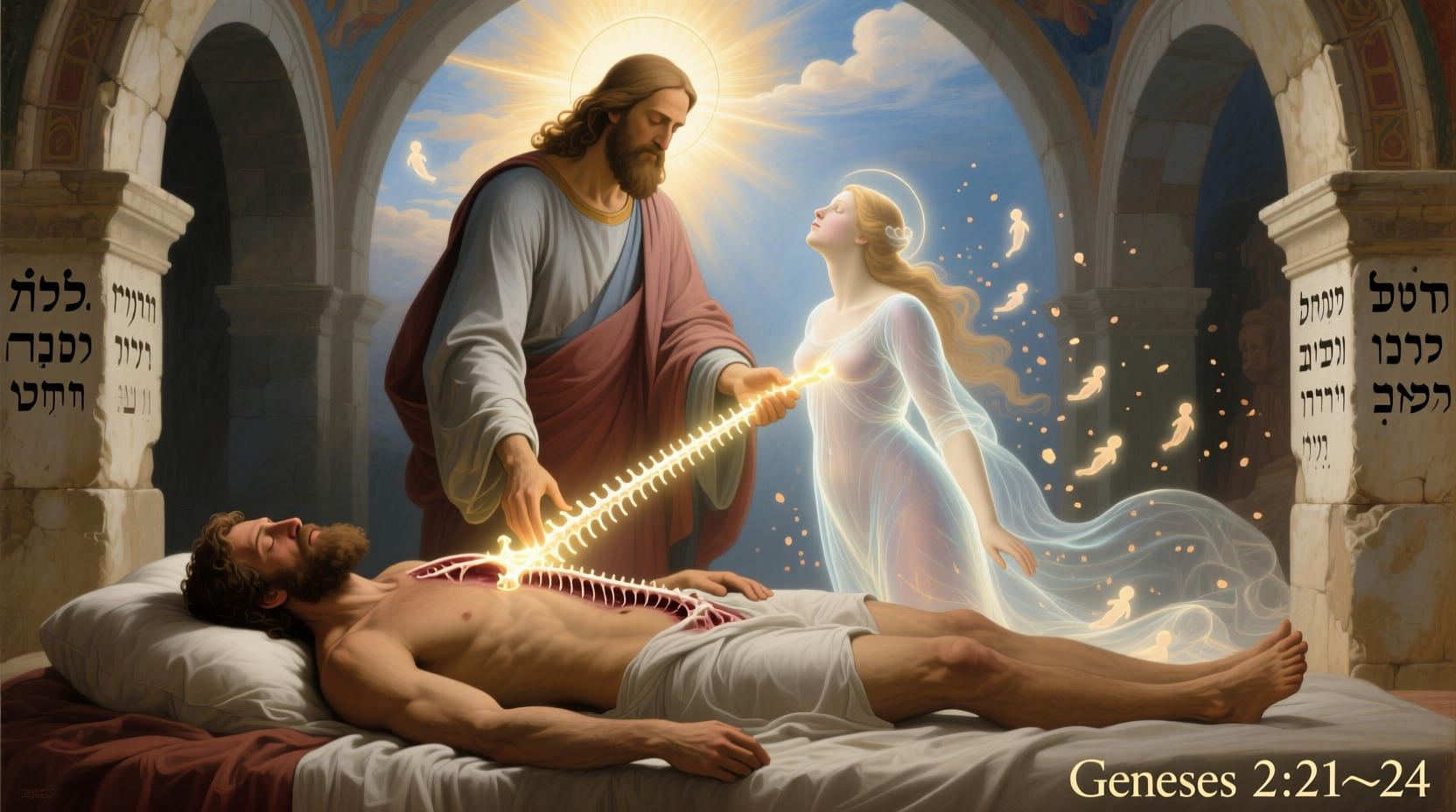
In Genesis 2:18, God declares, “It is not good that the man should be alone; I will make him a helper fit for him.” This statement stands out in the creation account because it is the first time God identifies something as “not good.” Prior to this moment, each creative act was followed by “God saw that it was good.” But Adam’s solitude disrupted the perfection of Eden. His loneliness wasn’t merely emotional—it was existential. He needed companionship that reflected both equality and distinction.
The Hebrew word used for “helper” (ezer) appears elsewhere in Scripture to describe God Himself (e.g., Psalm 33:20, 70:5). It does not imply inferiority but strength and support. A military ally, a rescuer, a strategic partner—this is the essence of ezer. Therefore, woman was not created to serve passively but to stand beside man as a vital counterpart in stewarding God’s world.
2. Created in the Image of God: Equality and Shared Dominion
Genesis 1:27 states clearly: “So God created man in his own image, in the image of God he created him; male and female he created them.” Notice the plural pronoun at the end—“them.” Both man and woman together bear the divine imprint. This means neither fully reflects God’s image alone; it takes both to manifest the fullness of His nature.
This shared imago Dei carries immense implications:
- Moral agency: Both genders possess reason, conscience, and spiritual capacity.
- Creative responsibility: Both are commissioned to “be fruitful and multiply, and fill the earth and subdue it” (Gen 1:28).
- Spiritual equality: Galatians 3:28 affirms, “There is neither Jew nor Greek, slave nor free, male nor female, for you are all one in Christ Jesus.”
Woman was not created to be subordinate in value or spiritual standing. Her creation completes the visible representation of God’s multifaceted character—nurturing, wise, strong, just, compassionate.
“The woman is not a shadow of the man, but a full participant in the glory of God’s image.” — Dr. Carolyn Custis James, theologian and author of *The Gospel of John from a Woman’s Perspective*
3. Purpose Beyond Marriage: Partnership in Mission and Legacy
While marriage is a central theme in the Genesis account, woman’s purpose extends far beyond being a wife. She is called to co-labor in every sphere of life—family, society, faith, and culture. Consider key women in Scripture who exemplify this broader calling:
- Deborah – A prophetess and judge who led Israel with wisdom and courage (Judges 4–5).
- Esther – Positioned “for such a time as this” to save her people through bold intercession.
- Priscilla – Taught Apollos more accurately about Christ (Acts 18:26), showing leadership in early Christian instruction.
- Mary of Bethany – Sat at Jesus’ feet, choosing “the good portion” (Luke 10:42), affirming her right to spiritual learning.
These examples reveal that womanhood in the Bible is never reduced to domestic function alone. Instead, it encompasses leadership, teaching, prophecy, governance, and discipleship.
Table: Roles of Women in Scripture vs. Cultural Misconceptions
| Scriptural Reality | Cultural Myth |
|---|---|
| Women held positions of spiritual authority (e.g., Huldah the prophetess, 2 Kings 22:14) | Women should remain silent in religious matters |
| Women were first witnesses of the Resurrection (Matthew 28:1–10) | Women’s testimony was unreliable |
| Lydia led a house church (Acts 16:15) | Church leadership must be exclusively male |
| Phoebe is called a deacon and benefactor (Romans 16:1–2) | Women had no formal ministry roles |
4. A Sacred Design: Complementarity Without Hierarchy
The idea that man and woman are “fit” for each other (Gen 2:18) speaks to complementarity—a harmonious pairing where strengths align and weaknesses are balanced. This is not about dominance or submission in essence, but about functional synergy.
Adam’s recognition upon seeing Eve—“This at last is bone of my bones and flesh of my flesh” (Gen 2:23)—carries awe and recognition of kinship. She is not foreign, but profoundly familiar. Their union becomes the blueprint for marriage: “Therefore a man shall leave his father and mother and hold fast to his wife, and they shall become one flesh” (Gen 2:24).
This oneness is both physical and spiritual. It mirrors the unity within the Trinity—distinct persons, equal in essence, united in purpose. In healthy relationships, men and women reflect this divine rhythm of love, respect, and mutual submission (Ephesians 5:21).
Checklist: Honoring the Biblical Purpose of Womanhood
- Recognize woman as bearing God’s image equally with man.
- Value her voice in spiritual, social, and leadership contexts.
- Celebrate both singleness and marriage as valid callings.
- Reject cultural stereotypes that limit her potential.
- Support her pursuit of wisdom, vocation, and service.
- Teach children that dignity and worth are not gender-dependent.
- Promote environments where mutual respect defines relationships.
5. Real-Life Reflection: A Modern Example of Purpose Fulfilled
Lena, a 38-year-old biomedical researcher and mother of two, struggled for years with feeling spiritually sidelined in her church. Though deeply committed to her faith, she was repeatedly encouraged to “focus on homemaking” rather than pursue her PhD. After studying Genesis and Paul’s letters, she realized her work healing patients and mentoring young scientists was not secondary to her identity—it was part of her divine calling.
She began leading a small group for professional women, emphasizing that their careers were acts of worship. Over time, her congregation shifted its language, recognizing that “help-meet” didn’t mean “stay-at-home assistant,” but “co-creator with God in restoring broken systems.” Lena’s story illustrates how returning to the original intent of woman’s creation can liberate modern women to live fully in their God-given purpose.
Frequently Asked Questions
Does the Bible teach that women are inferior to men?
No. While some passages have been misinterpreted to suggest hierarchy, the foundational truth of Genesis 1:27 affirms equal dignity. The New Testament further clarifies that in Christ, all believers—regardless of gender—are one and equally valued (Galatians 3:28).
Was Eve created only to be a wife and mother?
While motherhood is honored in Scripture, it is not the sole definition of a woman’s worth. Eve was created before sin entered the world—before childbirth involved pain (Gen 3:16). Her original role was partnership in dominion, cultivation, and relationship with God. Motherhood became part of her experience post-Fall, but not her only purpose.
Can women lead in the church according to the Bible?
Yes. Examples like Phoebe, Priscilla, and Junia (Romans 16:7) show women in official ministry roles. While certain passages require careful interpretation (e.g., 1 Timothy 2:12), many scholars believe these were context-specific instructions addressing particular issues in early churches, not universal bans on female leadership.
Conclusion: Embracing the Fullness of Divine Design
God created woman not as an afterthought, but as a crown of creation—equal in dignity, distinct in function, and essential to the unfolding of His purposes. Her creation answers loneliness, reflects divine image, enables spiritual partnership, and advances God’s kingdom across generations. To diminish her role is to obscure part of God’s very nature.
Whether single or married, young or mature, working in public or private spheres, every woman carries a sacred mandate: to reflect God’s wisdom, strength, and love in ways only she can. The question is not whether she has value, but how she will steward the profound gift of her design.




 浙公网安备
33010002000092号
浙公网安备
33010002000092号 浙B2-20120091-4
Comments
No comments yet. Why don't you start the discussion?