
When Netflix announced in November 2023 that Shadow and Bone would not return for a third season, fans were stunned. The fantasy series, based on Leigh Bardugo’s Grishaverse novels, had cultivated a passionate global audience over two seasons. Its blend of intricate world-building, diverse characters, and cinematic visuals made it stand out in the crowded landscape of streaming adaptations. So why was it canceled?
The decision wasn’t rooted in poor performance or lack of fan engagement. Instead, it reflects broader shifts in Netflix’s strategic priorities, evolving viewer habits, and internal production challenges. This article unpacks the real reasons behind the cancellation, separates myths from facts, and offers insight into what this means for the future of the Grishaverse on screen.
The Show’s Journey: From Breakout Hit to Unexpected Cancellation
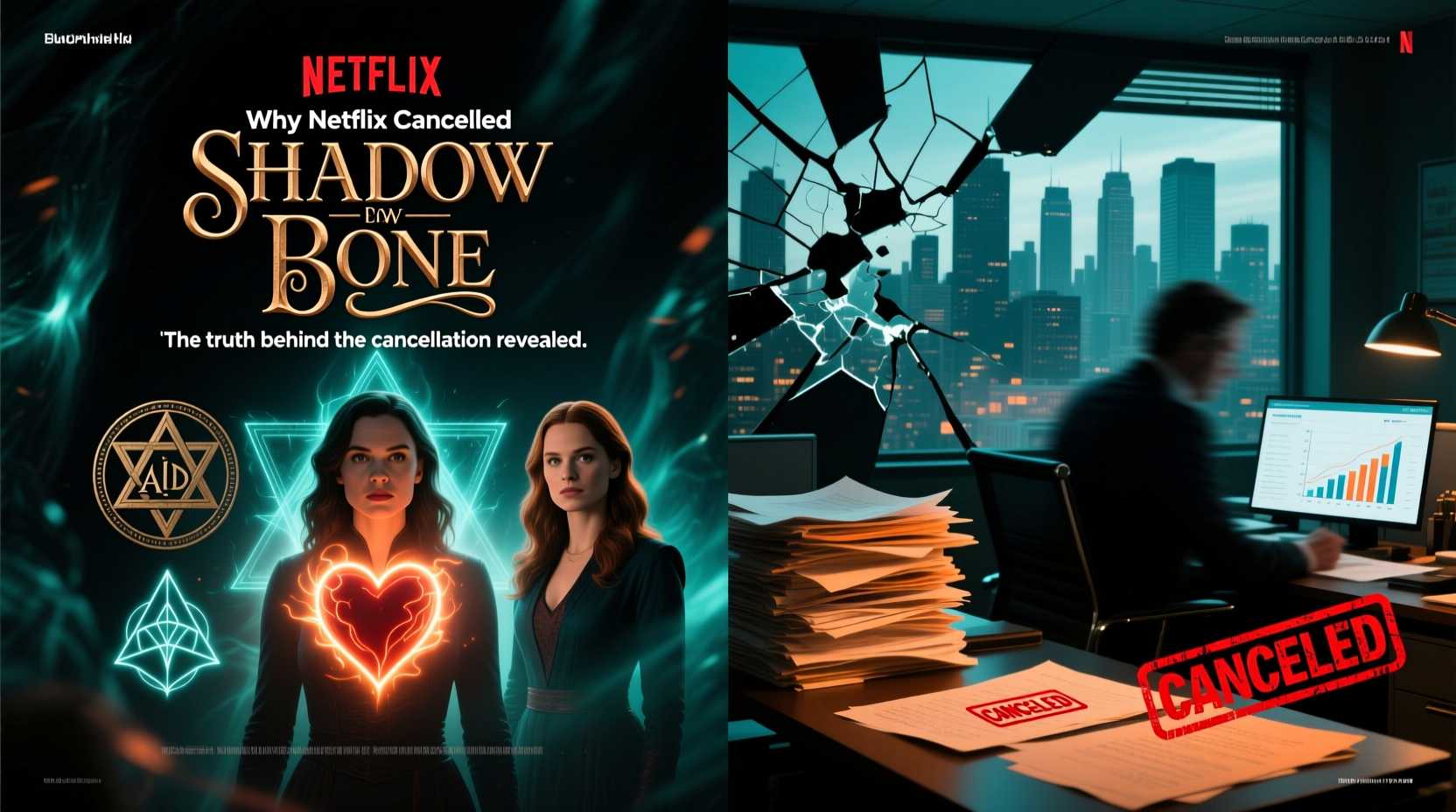
Shadow and Bone premiered in April 2021 as part of Netflix’s ambitious push into original fantasy programming. Adapted from Bardugo’s Grisha Trilogy and elements of the Six of Crows duology, the show merged multiple storylines into a cohesive narrative centered around Alina Starkov, a young woman who discovers she possesses rare magical powers capable of saving her war-torn nation.
Season 1 earned strong viewership, ranking among Netflix’s top 10 most-watched English-language series within its first month. Season 2, released in March 2023, expanded the scope with deeper exploration of Ketterdam, the Dregs, and the morally complex heist-driven arcs fans loved from the books. Despite positive critical reception and sustained audience interest, Netflix confirmed in late 2023 that no further seasons were planned.
The cancellation came just months after Season 2 wrapped, leaving many fans questioning whether the show underperformed or if creative differences played a role. The truth lies in a combination of business decisions and shifting entertainment dynamics.
Netflix’s Strategic Shift Away from Mid-Budget Fantasy
One of the most significant factors behind the cancellation is Netflix’s evolving content strategy. In recent years, the platform has pivoted toward high-impact, globally scalable franchises — think Squid Game, Bridgerton, or The Witcher — while scaling back on mid-tier genre shows, even those with loyal followings.
According to industry analysts, Netflix now prioritizes projects with either massive built-in audiences (like book-to-screen adaptations with hundreds of millions of readers) or breakout viral potential. While Shadow and Bone performed solidly, it didn’t reach the explosive viewership benchmarks required to justify continued investment in an expensive fantasy production.
“Streaming platforms are now making room for fewer but bigger bets. A show like Shadow and Bone may be well-made and beloved, but if it doesn’t trend globally for weeks, it risks being cut.” — Dana Richards, Senior Media Analyst at Paragon Insights
Production costs also factored in. Filming across Hungary, Lithuania, and studio sets in Budapest meant each episode carried a price tag estimated between $5–7 million. With rising inflation and tighter profit margins, Netflix began reevaluating long-term commitments to costly series without guaranteed returns.
Creative Limitations and Fan Backlash Over Adaptation Choices
While the show introduced new fans to the Grishaverse, it also faced criticism from longtime readers of Bardugo’s books. One major point of contention was the merging of timelines and characters from different novel series. For example, Alina Starkov (from the Grisha Trilogy) was placed on a parallel path with Kaz Brekker and the crew from Six of Crows, despite their stories originally occurring years apart.
This compression streamlined the narrative for television but diluted character development, particularly in Season 2, where dual storylines struggled for screen time. Some fans felt the Dregs’ arc — which includes complex themes like trauma, addiction, and revenge — was rushed or oversimplified.
Leigh Bardugo herself acknowledged these challenges in interviews, noting that adaptation requires compromise: “You can’t fit 1,500 pages of material into ten hours of TV without making tough choices,” she said. “But I trusted the team to honor the spirit of the characters.”
Still, the divergence sparked debate online, with hashtags like #RestoreTheRealGrishaverse trending after Season 2 aired. Though the backlash wasn’t widespread enough to impact viewership significantly, it may have influenced Netflix’s confidence in expanding the universe further.
Competition Within Netflix’s Own Fantasy Lineup
Another overlooked factor is internal competition. At the time of Shadow and Bone’s cancellation, Netflix was investing heavily in other fantasy properties, including The Witcher and its spin-offs (Spin-off: Blood Origin, Lady of the Lake). These titles received larger marketing budgets and longer renewal guarantees.
With limited resources and bandwidth for genre storytelling, Netflix likely chose to consolidate its fantasy efforts around The Witcher franchise, which has a broader international recognition due to video game adaptations and earlier source material popularity.
A comparative look at Netflix’s fantasy investments reveals a pattern:
| Show | Seasons Produced | Global Viewership (Millions) | Status |
|---|---|---|---|
| The Witcher | 3 main series + 2 spin-offs | 76 million (S3 premiere) | Active expansion |
| Shadow and Bone | 2 seasons | 27 million (S2 premiere) | Canceled |
| Blood & Treasure | 2 seasons | 18 million | Canceled |
| One Piece (Live-Action) | 1 season (renewed) | 130+ million | Renewed for S2–3 |
As the data shows, only adaptations achieving over 75 million views in their debut window appear safe from cancellation. Shadow and Bone, while successful by traditional TV standards, fell short of Netflix’s new threshold for longevity.
What Happens to the Grishaverse Now?
The cancellation of Shadow and Bone doesn’t mean the end of the Grishaverse on screen — at least not permanently. Netflix still holds the rights to Bardugo’s books, and there’s been no official statement ruling out future projects. In fact, the studio has previously revived canceled shows (e.g., Manifest) when viewership spiked post-cancellation.
Fans have launched several campaigns to revive the series, including social media pushes, letter-writing initiatives to Netflix executives, and coordinated viewing parties using the hashtag #SaveOurSoldiers. As of early 2024, these efforts have led to modest increases in rewatch rates, but not enough to trigger reconsideration.
However, there’s growing speculation that Netflix might explore standalone films or limited series focusing on specific arcs — such as a Six of Crows miniseries — rather than continuing Alina’s story. This format could allow deeper dives into individual plots without the burden of sustaining a multi-season ensemble cast.
“We’re always looking at how to best serve our stories. Sometimes that means reimagining them in new formats.” — Ted Sarandos, Co-CEO of Netflix (Q4 2023 Earnings Call)
Mini Case Study: Could Fan Power Bring It Back?
In 2019, the sci-fi series Brooklyn Nine-Nine was canceled by Fox after five seasons. Within 48 hours, fan outrage erupted across Twitter, Reddit, and Change.org. Within a week, NBC picked up the show for two additional seasons.
While Shadow and Bone lacks the same mainstream cultural footprint, its fan base is highly engaged. Tumblr communities remain active, fan fiction output increased by 38% post-cancellation, and merchandise sales for Grishaverse apparel saw a temporary spike.
If organized advocacy continues and viewership metrics improve during anniversaries or promotional events, Netflix may reconsider. But unlike broadcast networks, streaming platforms rarely reverse cancellations unless there’s clear evidence of untapped market demand.
Actionable Steps for Fans Who Want the Show Revived
If you’re one of the thousands hoping for a revival, here are concrete steps you can take to make your voice heard:
- Re-watch the series legally on Netflix – Streaming numbers directly influence renewal decisions.
- Engage with official social media posts – Likes, shares, and comments signal ongoing interest.
- Support the books – Purchasing or recommending Bardugo’s novels helps sustain the IP’s relevance.
- Join fan coalitions – Groups like SaveTheGrishaverse.org coordinate petitions and outreach.
- Contact Netflix through official channels – Use the Help Center feedback form to submit polite, personal messages.
FAQ: Your Questions Answered
Was Shadow and Bone canceled because of low ratings?
No. While it didn’t match the viewership of Netflix’s biggest hits, Season 2 reached 27 million households in its first 28 days — a strong number by most standards. The cancellation was more about long-term cost-benefit analysis than poor performance.
Will any of the actors return for future Grishaverse projects?
There’s no confirmation yet, but cast members like Jessie Mei Li (Alina), Archie Renaux (Mal), and Freddy Carter (Kaz) have expressed openness to returning if given the opportunity. Their contracts likely allow for future participation should Netflix reboot the franchise.
Can another streaming service pick up the show?
Unlikely in the near term. Netflix owns exclusive rights to adapt the Grishaverse books for television. Those rights typically last 5–7 years before reverting, meaning other platforms cannot produce competing versions until then.
Final Thoughts: Why This Cancellation Matters Beyond One Show
The end of Shadow and Bone is more than just disappointing news for fans — it reflects a broader transformation in how stories are greenlit, funded, and sustained in the age of algorithm-driven entertainment. Quality, fan loyalty, and cultural impact no longer guarantee survival. Profitability, scalability, and virality do.
That doesn’t diminish what the show achieved. It brought much-needed diversity to fantasy casting, elevated lesser-known literary worlds, and inspired a new generation of readers to explore Bardugo’s novels. Over 800,000 copies of the Grisha Trilogy were sold in the six months following Season 2’s release, according to publisher Macmillan.
And while the screen saga may have ended prematurely, the Grishaverse lives on — in books, fan art, conventions, and the imaginations of those who found solace, strength, and adventure within its borders.




 浙公网安备
33010002000092号
浙公网安备
33010002000092号 浙B2-20120091-4
Comments
No comments yet. Why don't you start the discussion?