
Opie Winston’s death in *Sons of Anarchy* remains one of the most emotionally devastating moments in television history for fans of the series. A loyal brother to the SAMCRO motorcycle club, a devoted father, and a man burdened by loss and loyalty, Opie’s journey was marked by tragedy from the beginning. His eventual death in Season 5 wasn’t just a shock—it was a calculated narrative decision with deep thematic resonance. Understanding why Opie died requires examining not only the plot mechanics but also the storytelling purpose, character arcs, and the show’s central themes of brotherhood, vengeance, and consequence.
The Immediate Circumstances of Opie’s Death
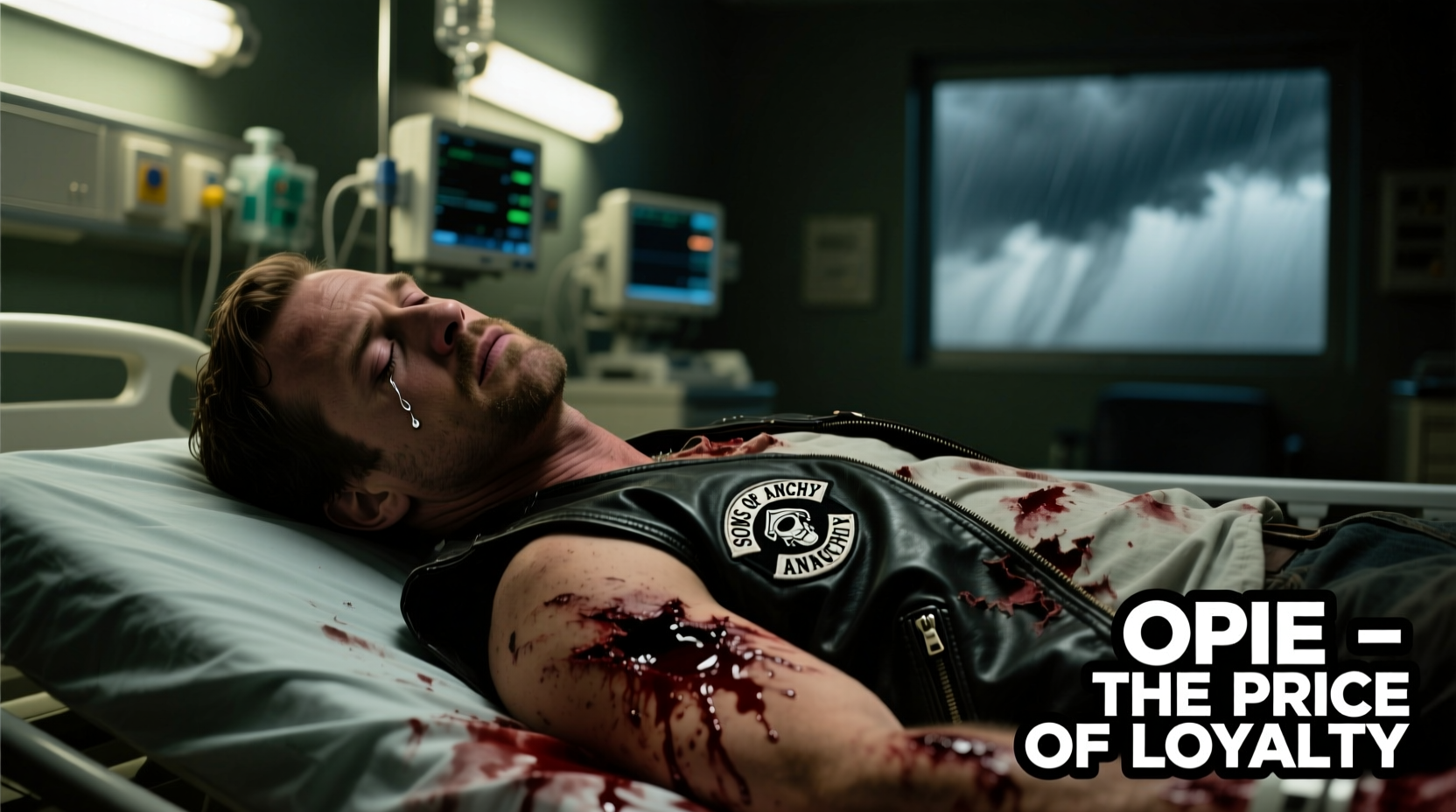
Opie was killed during the Season 5 episode titled “Laying Pipe.” The event unfolded as part of a larger setup orchestrated by the One-Niners, a local gang working under the direction of corrupt law enforcement and criminal interests. Opie, alongside Jax Teller and Chibs, was ambushed while attempting to deliver money to the One-Niners as part of a peace agreement brokered by Nero Padilla.
As Opie walked toward the exchange point, he was shot multiple times by hidden gunmen. Despite being gravely wounded, he managed to return fire, killing two attackers before collapsing. His final moments were spent lying on the pavement, bleeding out, as Jax arrived too late to save him. The scene was brutal, intimate, and emotionally shattering—emphasizing the personal cost of life within the outlaw world.
Narrative Purpose: Why Opie Had to Die
While shocking, Opie’s death served several critical functions in the overarching story of *Sons of Anarchy*. Creator Kurt Sutter has often emphasized that the show was never about glorifying outlaw life, but rather exploring its inevitable costs. Opie’s arc exemplified this philosophy.
- Catalyst for Jax’s Transformation: Opie’s murder became the turning point that pushed Jax fully into embracing violence and retribution. Up until that point, Jax had been wrestling with his identity—wanting to protect his family while distancing himself from the club’s brutality. Opie’s death shattered that balance.
- Exploration of Loyalty and Sacrifice: Opie represented the ultimate loyalist. He endured the loss of his first wife, Donna, betrayal by friends, prison time, and ongoing pain—all without leaving the club. His death underscored how loyalty, when taken to extremes, can lead to self-destruction.
- Breaking the Brotherhood Myth: The show repeatedly challenged the idea that the club is a true family. Opie’s death highlighted the fragility of that bond—despite being a lifelong member, he was expendable in the grand scheme of SAMCRO’s survival.
“Opie’s death was necessary because it showed that no one is safe—not even the most loyal. That’s the reality of this world.” — Kurt Sutter, Series Creator
Character Arc and Emotional Weight
Opie’s journey began long before his death. Introduced as a gentle giant with a love for his family and a deep connection to the club, his life unraveled after the accidental killing of his wife, Donna, in Season 1. She was murdered by Kip “Half-Sack” Epps under orders from Clay Morrow, who believed she was the FBI informant.
This event fractured Opie’s trust and set him on a path of simmering grief and quiet rage. Over the seasons, he struggled with anger, alcohol, and depression. His second marriage to Lyla brought some stability, but the shadow of past trauma never lifted.
By Season 5, Opie had become increasingly disillusioned. He questioned the club’s decisions, clashed with leadership, and expressed a desire to leave. Yet, he remained—bound by brotherhood, obligation, and a sense of duty. His death, therefore, felt like the culmination of a life lived in service to a cause that ultimately failed him.
Timeline of Key Events Leading to Opie’s Death
- Season 1: Donna is killed; Opie suspects foul play but is misled.
- Season 3: Opie serves time in prison, returns hardened and distant.
- Season 4: Learns the truth about Donna’s death; seeks revenge against Clay.
- Season 5: Feels alienated from Jax and the club; participates in dangerous ops despite inner conflict.
- Episode 5x13: Killed in ambush during a supposed peace negotiation.
Thematic Significance: The Cost of Brotherhood
*Sons of Anarchy* consistently explored the tension between familial love and club loyalty. Opie embodied this conflict more than any other character. He loved his children deeply and wanted a better life for them, yet he stayed in a world that repeatedly took everything from him.
His death forced viewers to confront uncomfortable truths: loyalty isn’t always rewarded, good men don’t always survive, and sometimes the price of brotherhood is your life. Unlike Jax, who constantly negotiated morality, Opie didn’t crave power or control—he simply wanted peace. That made his fate all the more tragic.
| Aspect | Impact of Opie’s Death |
|---|---|
| Jax’s Character Development | Became more ruthless, embraced vengeance over reform |
| Club Morale | Deepened internal fractures, increased distrust |
| Thematic Message | Reinforced that no one is immune to the cost of violence |
| Fan Reaction | Widespread shock and grief; many cited it as the breaking point |
Mini Case Study: Fan Reaction and Cultural Impact
When Opie died, social media exploded. Fans took to Twitter, forums, and fan sites to express their disbelief and sorrow. Many described watching the episode in tears, unable to continue. Reddit threads from 2012 still contain discussions about whether the death was justified narratively.
One viewer shared: “I’ve watched a lot of TV, but nothing prepared me for Opie’s death. I turned off the show for weeks after. It felt too real, too cruel.” This reaction underscores how effectively the writers humanized Opie—he wasn’t just a biker; he was a father, a friend, a man trying to do right in a wrong world.
The cultural impact extended beyond fandom. Critics praised the boldness of killing such a central figure, noting that it elevated the show from crime drama to modern tragedy. Opie’s death was compared to the fall of noble characters in Shakespearean plays—inevitable, poignant, and transformative.
Frequently Asked Questions
Was Opie supposed to survive longer?
There’s no public confirmation, but actor Ryan Hurst has spoken about feeling that Opie’s arc was complete. Some speculate that creative differences or narrative direction led to the decision to end his story in Season 5.
Did Jax avenge Opie’s death?
Yes. In the aftermath, Jax launched a brutal campaign against the One-Niners and those involved in the setup. He personally executed key figures responsible, including the shooter who killed Opie. This vengeance spiral marked a major shift in Jax’s moral compass.
Could Opie have left the club and survived?
In theory, yes—but narratively, it would have undermined the show’s core message. *Sons of Anarchy* argued that once you’re in, there’s no clean exit. Opie’s inability to leave symbolized the inescapability of the outlaw life, even for those who wanted out.
Final Thoughts: Why Opie’s Death Still Matters
Opie Winston wasn’t just a character—he was a symbol of the everyman caught in a cycle of violence. His death wasn’t gratuitous; it was essential. It reminded viewers that in the world of *Sons of Anarchy*, love, loyalty, and honor are often punished rather than rewarded.
More than a decade after the episode aired, fans still debate the meaning of Opie’s death. Was it justice? Tragedy? Narrative necessity? The answer likely lies in all three. What remains undeniable is the emotional authenticity of his story and the lasting impact of his loss.




 浙公网安备
33010002000092号
浙公网安备
33010002000092号 浙B2-20120091-4
Comments
No comments yet. Why don't you start the discussion?