
For years, Hextech Chests were a staple of the League of Legends experience. Introduced as a way to reward players with random champions, skins, and chromas, they promised excitement and surprise. But over time, what began as a fun feature evolved into one of the most criticized mechanics in the game. In 2023, Riot Games officially removed Hextech Chests from normal queue rewards, marking the end of an era. The decision wasn’t made lightly—and it came after years of mounting player frustration, data analysis, and internal reflection on what truly serves the community.
This article breaks down the core reasons behind the removal, the emotional and gameplay-related frustrations players voiced, and what Riot’s shift signals about its evolving design philosophy.
The Rise and Fall of Hextech Chests
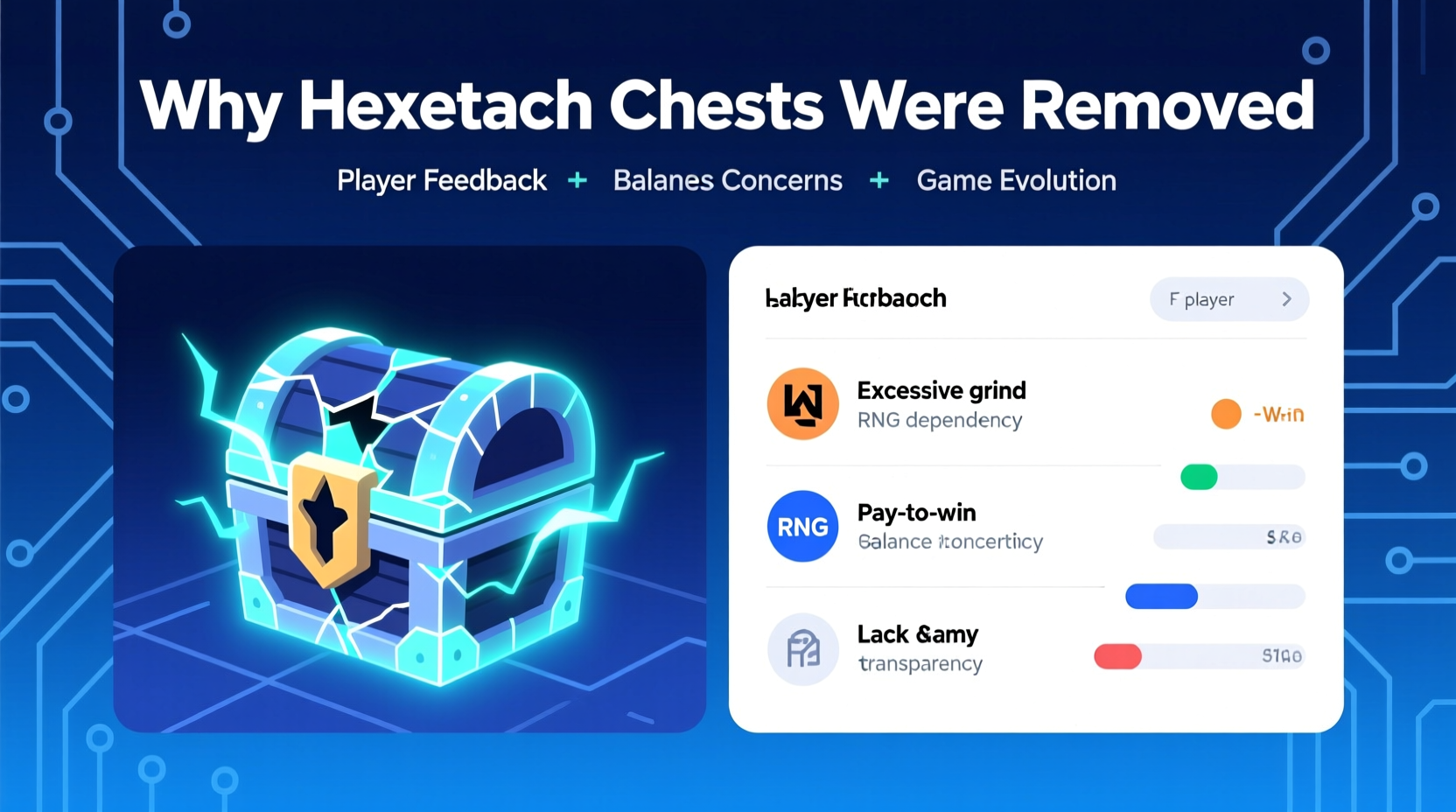
Hextech Chests launched in 2016 as part of a broader push to make earning cosmetic rewards more engaging. Players could earn a key by leveling up a champion and receive a chest after winning two games with that champion in normal or ranked queues. Inside, they might find a champion shard, a skin shard, or even a rare chroma. At first, the system felt rewarding—especially for new players building their collections.
However, as the game matured, so did player expectations. What once felt like a pleasant surprise began to feel arbitrary, inefficient, and at times, exploitative. The randomness of rewards clashed with growing demand for transparency, fairness, and meaningful progression.
Key Reasons Behind the Removal
Riot’s official communications emphasized player feedback and long-term satisfaction as central to the decision. Internal surveys, forums, and behavioral data all pointed to systemic issues with the chest system. Here are the primary factors that led to its retirement:
1. Unpredictable and Frustrating Reward Outcomes
The core issue was randomness. While some players enjoyed the “loot box” thrill, many others found it deeply unsatisfying. Opening a chest could yield anything from a duplicate shard to a brand-new legendary skin—but more often than not, it delivered low-value items like champion shards players already owned.
This lack of control eroded trust. Players felt they were gambling rather than progressing. As one top-ranked player noted: “I’d grind through games just to get a chest, only to open it and see three champion shards I didn’t need. It didn’t feel like a reward—it felt like a waste.”
2. Encouraged Grindy, Unenjoyable Gameplay
To earn chests, players had to win two games with a single champion. This incentivized playing champions not out of preference, but for efficiency. Many would cycle through low-skill champs like Teemo or Annie solely to farm keys faster, even if they disliked playing them.
This behavior undermined the spirit of skill development and enjoyment. Instead of fostering mastery, the system promoted mechanical repetition. Worse, it disproportionately affected newer players who relied on chests to access champions and cosmetics, trapping them in a loop of unrewarding gameplay.
3. Duplicate Shards and Poor Value Perception
One of the most consistent complaints was the frequency of duplicates. Without a robust shard conversion system early on, receiving multiple copies of the same champion or skin felt useless. Even after Riot introduced free disenchanting and later universal shards, the psychological impact remained.
Players perceived the value of chests as declining over time. A 2022 internal Riot survey revealed that over 68% of players felt chests were “not worth the effort,” citing duplicates and low-tier rewards as primary reasons.
4. Misalignment with Modern Monetization Ethics
As global scrutiny of loot box mechanics intensified—especially following regulatory actions in Belgium and the Netherlands—Riot faced increasing pressure to reevaluate systems that resembled gambling. Though Hextech Chests were earned through gameplay, their randomized nature drew comparisons to paid loot boxes.
Riot acknowledged this concern in a 2021 design retrospective: “We realized that even when something is free, if it feels manipulative or exploitative, it damages player trust.” Removing chests was part of a broader strategy to distance the game from controversial monetization patterns.
“Reward systems should celebrate progress, not obscure it behind randomness.” — Travis Gafford, Senior Game Design Analyst at Riot (2022 internal presentation)
Player Sentiment: A Timeline of Growing Discontent
The backlash didn’t happen overnight. It built steadily over seven years, marked by recurring themes in forums, Reddit threads, and social media:
- 2017–2018: Initial excitement fades as duplicate rates become apparent.
- 2019: Petitions gain traction demanding chest overhaul or removal.
- 2020: Riot introduces free disenchanting in response to feedback.
- 2021: “Chest fatigue” becomes a common term; players report burnout.
- 2022: Internal playtests show new players don’t engage with chests meaningfully.
- 2023: Chests removed from normal queue rewards; replaced with direct shard drops.
What Replaced Hextech Chests?
Riot didn’t just remove the system—they redesigned it. Today, players earn champion and skin shards directly through play, with higher drop rates and fewer steps. Keys are no longer needed, and there’s no requirement to “win two games” with a specific champ.
This shift aligns with Riot’s current design pillars: clarity, fairness, and player agency. Instead of hiding rewards behind RNG and hoops, the new model delivers tangible progress every few games.
| Feature | Hextech Chests (Old) | New Reward System |
|---|---|---|
| Earn Method | Win 2 games with same champion | Play any game (normal/ranked) |
| Reward Type | Random (chests + keys) | Direct shard drops |
| Duplicate Handling | Manual disenchanting required | Auto-converted to essence or universal shards |
| Transparency | Low (unknown odds) | High (known drop rates) |
| Player Control | Minimal | Full (shards can be saved or used) |
Mini Case Study: The Casual Player’s Perspective
Sarah, a mid-tier player who logs in 3–4 times a week, used to rely on Hextech Chests to expand her roster. “I’d pick a new champ I wanted to try, play two games with them—even if I wasn’t good—and hope I’d get a chest,” she said. “But half the time, I’d lose one of the games, and the counter would reset. Or I’d finally get the chest, open it, and get a champion I already had max level.”
After the change, Sarah noticed immediate improvement. “Now I just get a shard every few games. I know it’s coming. I don’t have to force myself to play someone I hate. It feels less like a chore.”
Actionable Checklist: Making the Most of the New System
- ✅ Play champions you enjoy—no need to optimize for chest farming.
- ✅ Track your shard accumulation in the collection manager.
- ✅ Use champion shards to unlock new picks without spending RP.
- ✅ Save skin shards for limited-time events or preferred aesthetics.
- ✅ Participate in events that offer direct skin rewards or bonus drops.
Frequently Asked Questions
Can I still use my old Hextech Keys?
No. With the removal of chests, unused keys were automatically converted into blue essence or universal shards based on their value. Riot ensured no player lost progress due to the transition.
Are there any plans to bring back chests in another form?
According to Riot’s 2023 roadmap, there are no plans to reintroduce randomized chest systems in core gameplay. However, limited-time event versions may return in non-core modes (e.g., ARAM or special gametypes) with full disclosure of odds.
Did removing chests affect skin sales?
Internal data shows a slight short-term dip in skin acquisition via drops, but overall engagement and satisfaction increased. Riot believes long-term loyalty outweighs minor fluctuations in cosmetic distribution.
A Step Toward Better Game Design
The removal of Hextech Chests reflects a maturing approach to player psychology and ethical design. Rather than relying on unpredictable rewards to drive engagement, Riot now prioritizes transparency, consistency, and respect for players’ time.
This shift isn’t just about one feature—it’s about redefining what it means to be rewarded in a live-service game. When players feel their efforts are recognized fairly, they’re more likely to stay invested, recommend the game, and view the company as trustworthy.
Conclusion
Riot’s decision to remove Hextech Chests wasn’t just a reaction to complaints—it was a strategic evolution. By listening to years of feedback, analyzing player behavior, and re-evaluating design ethics, they replaced a flawed system with one that better serves both casual and competitive players.
The lesson is clear: in modern gaming, randomness alone doesn’t create joy. Meaningful progress, player autonomy, and transparent rewards do. As League of Legends continues to evolve, this move stands as a benchmark for how developers can responsibly adapt to their communities’ needs.




 浙公网安备
33010002000092号
浙公网安备
33010002000092号 浙B2-20120091-4
Comments
No comments yet. Why don't you start the discussion?