
For fans of the acclaimed USA Network series Monk, the abrupt departure of Sharona Fleming—Adrian Monk’s sharp-witted nurse and confidante—was one of the most jarring moments in the show’s eight-season run. Played with fiery authenticity by Bitty Schram, Sharona was more than just a caregiver; she was Monk’s emotional anchor, his moral compass, and often the only person who could cut through his obsessive rituals with humor and heart. So when she vanished after Season 3 without a proper goodbye, viewers were left confused, frustrated, and even angry. What really happened behind the scenes? Why did they replace Sharona on Monk? The answer lies in a mix of contract negotiations, creative differences, and industry realities that ultimately reshaped the trajectory of the show.
The Role and Impact of Sharona Fleming
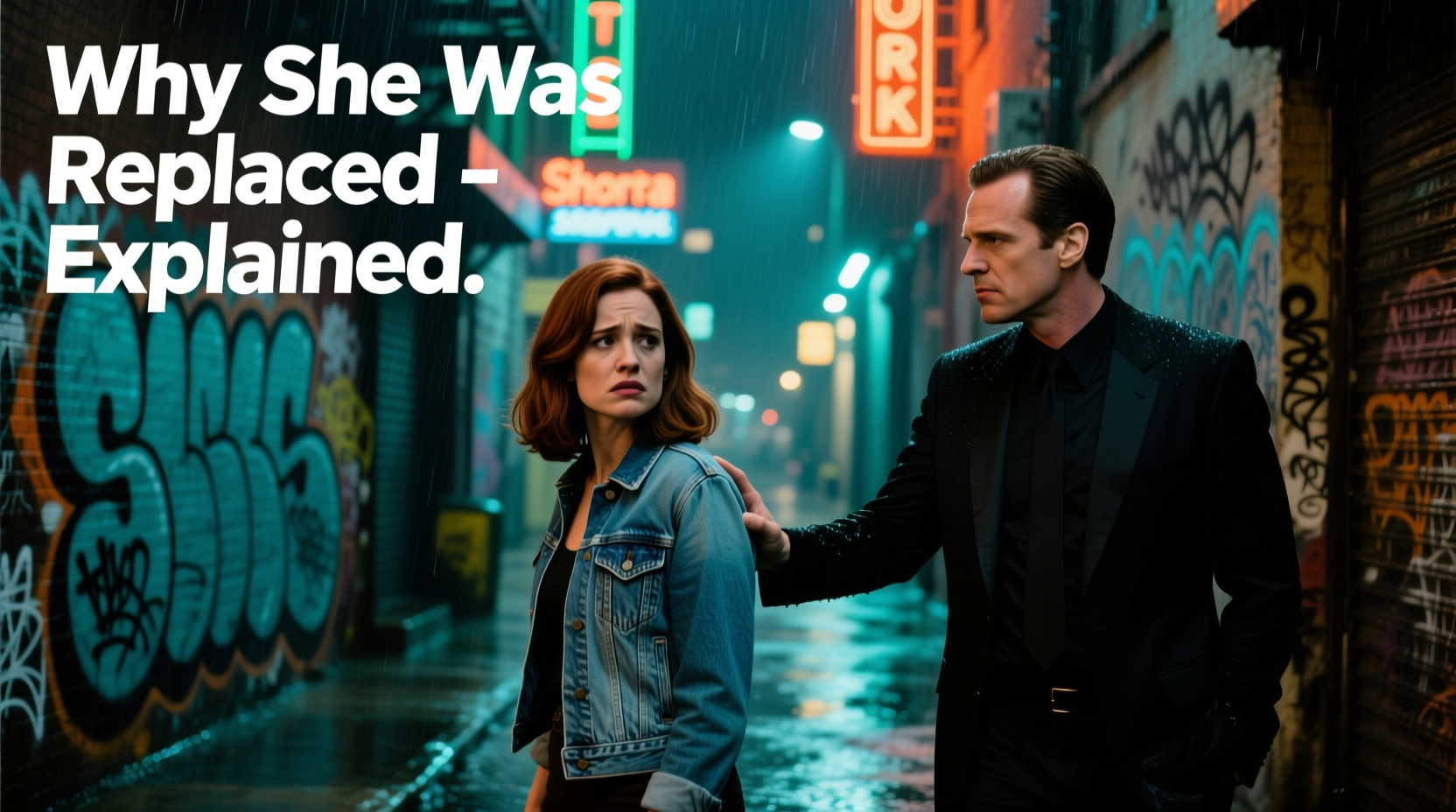
Introduced in the pilot episode, Sharona wasn’t just a supporting character—she was essential to the show’s early success. Her no-nonsense attitude balanced Monk’s neuroses, while her compassion revealed his humanity. She challenged him, stood up to him, and occasionally rolled her eyes at his quirks, all while ensuring he stayed functional. Audiences connected with her grounded presence in a world of eccentricity.
Sharona also brought depth beyond her professional role. As a single mother from New Jersey, she added relatability and warmth. Her interactions with Monk weren't clinical—they were familial. When she said, “You’re not crazy, you’re Monk,” it wasn’t just a line; it became a mantra for how audiences viewed the character.
The Sudden Exit: What Happened Behind the Scenes?
Bitty Schram’s departure after Season 3 was not planned narratively but stemmed from real-world tensions. At the time of her exit, Schram had been earning approximately $45,000 per episode. As the show gained popularity, cast members began renegotiating contracts for higher pay. However, Schram reportedly asked for a significant raise—reportedly seeking parity with co-star Ted Levine (Captain Stottlemeyer), whose salary had increased due to earlier negotiations.
The studio, NBC Universal Television, refused her request. According to multiple entertainment reports, including statements from insiders cited in TV Guide and The Hollywood Reporter, Schram was offered a new contract with only a modest increase. She declined, leading producers to write her out of the series abruptly.
In an interview years later, Schram addressed the situation with candor: “I didn’t get fired. I walked away because I wasn’t being treated fairly.” This sentiment reflects a broader issue in television production, where secondary leads—even pivotal ones—often lack the leverage to negotiate equitable compensation until their characters become irreplaceable.
“I walked away because I wasn’t being treated fairly.” — Bitty Schram, reflecting on her exit from *Monk*
How the Show Handled the Transition
Rather than giving Sharona a graceful send-off, the writers chose a minimal explanation: she returned to New Jersey to remarry her ex-husband and care for her ailing mother. The news was delivered off-screen via a brief phone call in the Season 4 premiere, leaving many fans feeling cheated.
To fill the void, the producers introduced Natalie Teeger (played by Traylor Howard), a widowed former police officer and mother of two. While Natalie eventually became a beloved figure in her own right, the transition wasn’t seamless. Early episodes struggled to replicate the dynamic between Monk and Sharona. Natalie was more deferential, less confrontational, and lacked the working-class grit that made Sharona feel authentic.
Still, over time, Natalie evolved into a capable partner. Her background in law enforcement allowed her to contribute more directly to investigations, shifting the relationship from caretaker-assistant to detective duo. But for many fans, the magic of the original pairing was never fully recaptured.
A Comparative Look: Sharona vs. Natalie
| Aspect | Sharona Fleming | Natalie Teeger |
|---|---|---|
| Tone & Personality | Blunt, sarcastic, street-smart | Polite, nurturing, structured |
| Relationship with Monk | Familial, almost sibling-like | Professional with growing loyalty |
| Background | Single mom, nursing aide | Widow, former cop |
| Emotional Role | Grounded Monk in reality | Supported Monk’s growth |
| Fan Reception | Beloved, iconic | Well-liked, but seen as replacement |
Mini Case Study: Fan Reaction and Cultural Memory
In 2006, shortly after Sharona’s departure, a grassroots campaign titled “Bring Back Sharona” emerged online. Fans created forums, signed petitions, and flooded USA Network’s feedback channels demanding her return. Though the movement didn’t change the network’s decision, it highlighted the emotional investment viewers had in the character.
One fan, Lisa Tran from Chicago, shared her experience on a now-archived message board: “I stopped watching for two seasons. It just wasn’t the same. When Sharona came back for a guest arc in Season 8, I cried during the first five minutes. That’s how much she meant to the soul of the show.”
This case illustrates a key truth in television: chemistry between actors and authenticity of character dynamics often matter more than plot mechanics. When those elements are disrupted, even loyal audiences may disengage.
Later Reconciliation and Guest Appearances
Despite the rocky exit, Bitty Schram eventually reconciled with the producers. She returned for three guest appearances in later seasons (Seasons 6, 7, and 8), each met with critical acclaim and strong ratings. Her final appearance in the series finale, “Mr. Monk and the End,” was particularly poignant. In a quiet moment, Sharona reassures Monk: “You’ll be okay. You’ve got Natalie. And you’ve got yourself.” It was a subtle but powerful acknowledgment of her enduring impact.
These returns were not just fan service—they served narrative closure. They reminded viewers that while relationships evolve, certain bonds remain foundational.
FAQ: Common Questions About Sharona’s Exit
Did Bitty Schram get fired from Monk?
No, she was not fired. Schram chose not to accept the contract renewal offer due to a dispute over salary. She has stated in interviews that she left voluntarily after failing to reach a fair agreement.
Why didn’t Sharona say goodbye to Monk on the show?
The abrupt departure reflected the sudden nature of the behind-the-scenes split. With no prior warning, the writers had limited options for a meaningful farewell, resulting in the off-screen explanation that disappointed many fans.
Was Natalie Teeger a bad replacement?
No—Traylor Howard brought depth and consistency to the role. However, Natalie filled a different emotional niche. While effective, the dynamic lacked the raw, unfiltered energy that defined Monk and Sharona’s relationship.
Key Takeaways for Viewers and Industry Observers
- Behind-the-scenes negotiations can dramatically affect storytelling.
- Supporting characters, when well-written and performed, can become central to a show’s identity.
- Fair compensation isn’t just about money—it’s about respect and recognition.
- Fans notice when authenticity is lost, and their response matters.
Conclusion: Why This Moment Still Matters
The replacement of Sharona on Monk remains one of television’s most talked-about cast changes—not because it was malicious, but because it revealed how fragile creative partnerships can be. Bitty Schram didn’t just play a role; she helped define the tone of a hit series. Her absence left a gap that no amount of scriptwriting could fully close.
Yet, her eventual return—and the grace with which both she and the show handled it—offers a lesson in reconciliation and respect. For fans, it’s a reminder to appreciate characters while they’re present. For creators, it underscores the importance of valuing every contributor, not just the lead.




 浙公网安备
33010002000092号
浙公网安备
33010002000092号 浙B2-20120091-4
Comments
No comments yet. Why don't you start the discussion?