
Anime has long captivated audiences with its dynamic action sequences, exaggerated expressions, and dramatic flair—none more iconic than the moment a character throws back their head and unleashes a thunderous scream as they launch an attack. Whether it’s Goku roaring “Kamehameha!” or Sailor Moon shouting “Moon Tiara Action!”, these vocalizations are embedded in the genre’s DNA. But beyond spectacle, is there purpose behind the scream? Does yelling during combat enhance focus, channel energy, or reflect real-world principles of physical exertion and mental concentration?
This article explores the cultural, physiological, and narrative reasons behind attack screaming in anime, and examines whether such vocalizations offer tangible benefits in terms of focus and performance—both within fictional worlds and in reality.
The Role of Vocalization in Anime Combat
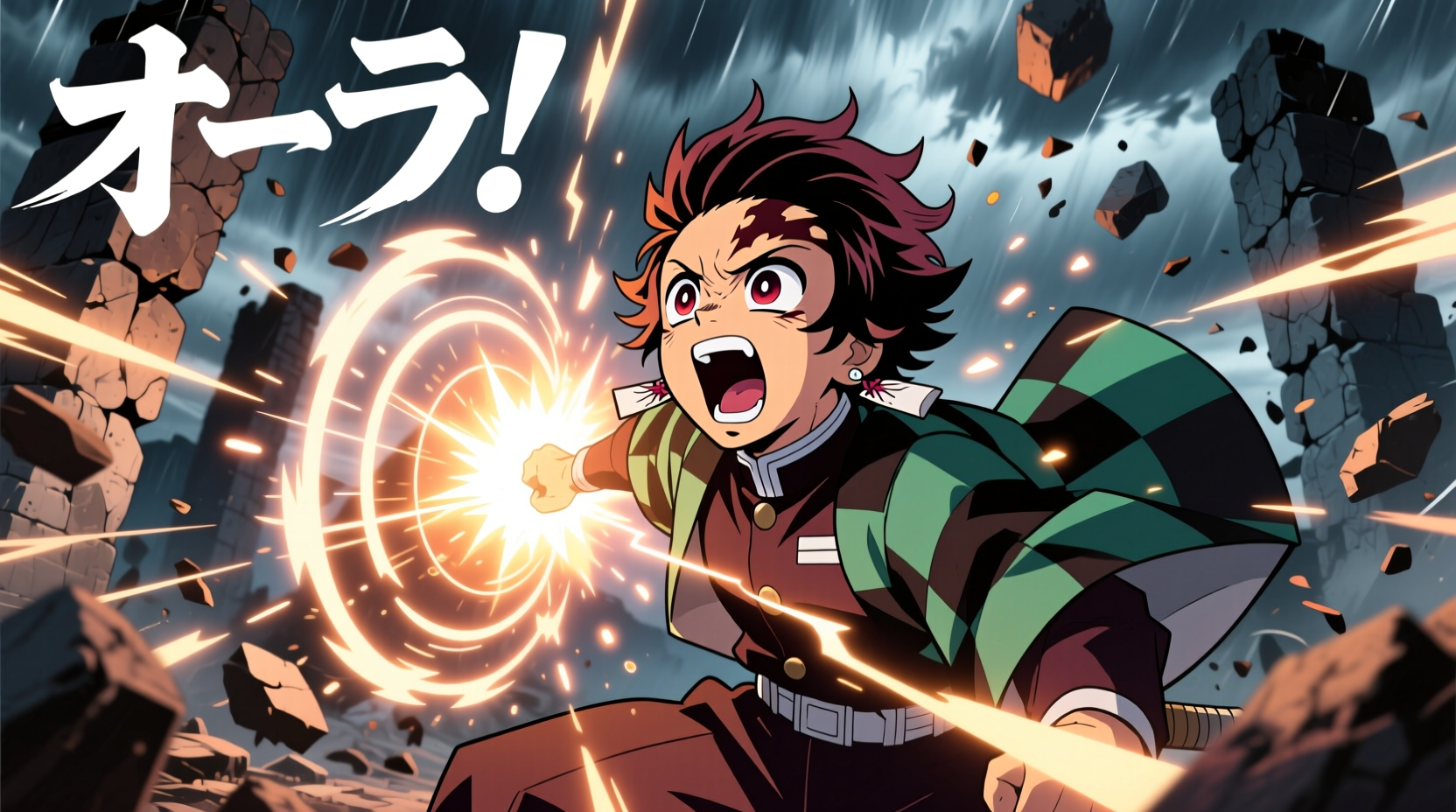
In anime, screaming during attacks isn’t merely for show—it serves multiple functions across storytelling, character development, and audience engagement. The loud declaration of an attack name or a primal roar amplifies tension, signals the climax of a buildup, and reinforces the emotional weight of a moment.
Vocalizing an attack often coincides with a visual transformation: muscles tense, aura flares, and time seems to slow. This synchronization between sound and image heightens sensory impact, making the scene more memorable. It also provides clear audio cues for viewers, helping them distinguish between different techniques or power levels.
Moreover, naming an attack aloud acts as a form of identity reinforcement. When Naruto shouts “Rasengan!”, he’s not just casting a technique—he’s asserting his mastery over it, claiming ownership, and signaling confidence. In this way, the scream becomes part of the ritual of execution.
Cultural Roots: From Martial Arts to Mythology
The tradition of vocalizing force traces back to real-world martial arts, particularly in Japanese disciplines like karate, kendo, and aikido. The term kiai (気合) refers to a sharp, focused shout used at the moment of striking. Far from being theatrical, kiai serves practical purposes: it tightens the core, stabilizes breathing, and momentarily startles opponents.
According to Toshiro Yoshida, 7th-dan in Shotokan Karate, “The kiai isn’t about intimidation alone. It forces expulsion of air, engaging the diaphragm and increasing abdominal pressure, which protects the body and channels energy efficiently.”
“The kiai unites mind, breath, and body into one decisive action.” — Toshiro Yoshida, Master Martial Artist
Anime draws heavily from these traditions, exaggerating them for dramatic effect. Characters like Ichigo Kurosaki in *Bleach* or Gohan in *Dragon Ball Z* don’t just yell—they channel spiritual energy (reiatsu or ki) through vocal expression, turning kiai into a supernatural amplifier.
Additionally, mythological influences play a role. In Shinto and Buddhist lore, divine beings often proclaim their presence or spells vocally. Mantras in esoteric Buddhism, for example, are believed to carry inherent power when spoken correctly. Anime magic systems frequently mirror this concept—words have weight, and uttering them correctly can alter reality.
Does Screaming Help Focus? The Science Behind Vocal Effort
Beyond fiction and culture, modern science supports the idea that vocal exertion can enhance physical and mental performance. Studies in sports psychology and biomechanics reveal several mechanisms by which shouting improves focus and output:
- Increased muscle activation: A 2014 study published in the Journal of Human Kinetics found that participants who shouted during maximal effort tasks demonstrated up to 10% greater grip strength compared to silent attempts.
- Enhanced arousal and alertness: Loud vocalizations stimulate the sympathetic nervous system, increasing heart rate and adrenaline—key factors in fight-or-flight readiness.
- Respiratory coordination: Controlled exhalation during shouting prevents breath-holding (valsalva maneuver), reducing risk of dizziness and improving oxygen delivery.
- Mental anchoring: Repeating a phrase or cry creates a psychological trigger, similar to a pre-performance routine in athletics.
In elite combat sports, athletes use grunts and shouts not only to intimidate but to maintain rhythm and timing. Tennis players like Serena Williams are known for their powerful on-court exclamations, which correlate with stroke efficiency and focus.
Translating this to anime logic: if a character is pushing past physical limits, screaming may represent the neurological and physiological tipping point where concentration, breath control, and neuromuscular recruitment converge. The scream isn’t incidental—it’s symptomatic of total bodily engagement.
Real-World Applications of Attack-Like Vocalization
While few people are launching energy beams, the principle applies in training environments. Consider:
- A weightlifter grunting during a deadlift to stabilize the spine.
- A sprinter letting out a short burst at the start to synchronize movement.
- A yoga practitioner using ujjayi breath (a soft, oceanic sound) to maintain focus and regulate effort.
In each case, sound modulates internal state. For anime protagonists facing life-or-death battles, screaming becomes an extreme version of this self-regulation—a sonic manifestation of willpower.
Psychological Impact: Confidence, Intimidation, and Identity
Screaming attacks also function psychologically—for both the user and the opponent. Declaring an attack name aloud reinforces self-belief. It transforms abstract energy into named, controllable force. Psychologically, this mirrors cognitive-behavioral strategies where verbal labeling increases perceived control over emotions or actions.
Conversely, hearing an enemy announce a devastating move—like “Final Flash” or “Bankai”—creates suspense and dread. This builds narrative tension and allows viewers to anticipate consequences. In team fights, coordinated shouts (e.g., simultaneous attacks in *My Hero Academia*) foster unity and synchronicity, echoing real military chants or synchronized drills.
Some characters even lose effectiveness when silenced. In *Naruto*, Sasuke’s cursed seal suppresses speech during early transformations, symbolizing loss of control. Once he regains voice, he reclaims agency. Similarly, in *Demon Slayer*, Tanjiro’s consistent battle cries reflect his unwavering resolve—even when injured, his voice remains strong.
| Anime | Character | Attack Cry | Psychological Function |
|---|---|---|---|
| Dragon Ball Z | Goku | \"Kamehameha!\" | Focus ritual, energy channeling |
| Sailor Moon | Usagi | \"Moon Tiara Action!\" | Identity assertion, magical invocation |
| My Hero Academia | Bakugo | \"Explosion!\" | Aggression release, intimidation |
| One Punch Man | Saitama | (Silent) | Subversion of trope, emphasizes effortless power |
Note how Saitama’s silence contrasts with others, underscoring his unmatched ability—he doesn’t need to scream because his power is absolute. This exception proves the rule: screaming signifies effort, limitation, and the human struggle to transcend it.
Mini Case Study: The Evolution of Luffy’s Gear Fifth
In *One Piece*, Monkey D. Luffy’s transformation into Gear Fifth offers a compelling example of vocalization evolving with power. Traditionally, Luffy announces forms like “Gear Second” or “Jet Pistol” with energetic calls. However, upon activating Gear Fifth—a state fueled by awakened rubber-body physiology and boundless joy—he enters a near-trance-like state filled with laughter, humming, and spontaneous singing.
His attacks aren’t named in the conventional sense; instead, whimsical phrases like “Gomu Gomu no... Buredo!” (“Rubber Rubber’s Blade!”) emerge mid-combat, blending improvisation with raw emotion. The vocalizations shift from focused shouts to ecstatic expressions, reflecting not just power but psychological liberation.
This evolution illustrates that screaming isn’t the only valid form of vocal focus. As characters grow, their relationship with effort and expression changes. Luffy doesn’t abandon sound—he transcends traditional screaming, replacing it with a new kind of sonic presence rooted in freedom and creativity.
Checklist: How to Use Vocal Focus in Training or Performance
Whether you're an athlete, martial artist, performer, or someone seeking better mental focus, consider integrating controlled vocalization. Here’s a practical checklist:
- ✅ Identify key moments requiring maximum effort (e.g., lifting, sprinting, presenting).
- ✅ Develop a short, consistent vocal cue (a grunt, word, or sound).
- ✅ Practice exhaling sharply during exertion—never hold your breath.
- ✅ Use the sound as a mental anchor before high-pressure tasks.
- ✅ Record yourself to ensure the sound enhances, rather than disrupts, rhythm.
- ✅ Avoid prolonged screaming; reserve it for peak-intensity moments.
This mimics anime logic in a grounded way: sound becomes a tool, not just a symptom.
Frequently Asked Questions
Do all anime characters scream their attacks?
No. While common in shonen (battle-focused) anime, many genres avoid it. Characters in psychological thrillers (*Death Note*), slice-of-life dramas, or stealth-based stories (*Spy x Family*) rarely use attack cries. Even within action series, some fighters—like Saitama or Kurapika—remain silent to emphasize precision or cold focus.
Is there any danger to screaming during physical activity?
When done improperly, yes. Excessive vocal strain can damage vocal cords. Holding breath while yelling increases blood pressure. Always coordinate shouts with exhalation and avoid prolonged screaming without training. Athletes and performers should consult specialists if using vocal effort regularly.
Can I improve focus by yelling like an anime character?
In moderation, yes. Controlled vocal bursts can boost alertness and motor output. However, context matters—yelling in a library won’t help. Use discreet cues (a soft “hut” or breath pulse) in public settings. The goal is neurological activation, not volume.
Conclusion: The Scream as Symbol and Strategy
The anime attack scream is far more than a stylistic quirk. It emerges from deep cultural roots in martial discipline, aligns with scientific understanding of exertion and focus, and serves vital narrative and psychological roles. Whether signaling transformation, intimidating foes, or locking in concentration, the cry bridges the gap between intention and action.
While we may never summon fireballs by shouting, the underlying principle holds value: how we use our voice affects how we perform. From the dojo to the gym, from stage performances to high-stakes decisions, controlled vocalization can sharpen focus, amplify effort, and assert presence.




 浙公网安备
33010002000092号
浙公网安备
33010002000092号 浙B2-20120091-4
Comments
No comments yet. Why don't you start the discussion?