
In nearly every shonen anime—from Dragon Ball Z to My Hero Academia—one element remains consistent: the protagonist winds up for a powerful strike, muscles tensing, energy flaring, and then roars the name of their technique into the sky. “Kamehameha!” “Bankai!” “Final Flash!” These iconic shouts are more than just fan service or over-the-top theatrics. They’re deeply embedded in anime’s visual language, cultural roots, and narrative structure. But why do characters do it? And more intriguingly, does shouting an attack name actually influence the outcome of a battle within the story?
The answer lies at the intersection of performance, psychology, and Japanese artistic tradition. While real-world combat relies on stealth and precision, anime thrives on emotional expression, clarity of action, and audience immersion. Shouting attack names isn’t merely a stylistic quirk—it serves multiple functional and symbolic purposes that shape how battles unfold and how viewers experience them.
The Cultural Roots of Vocalized Techniques
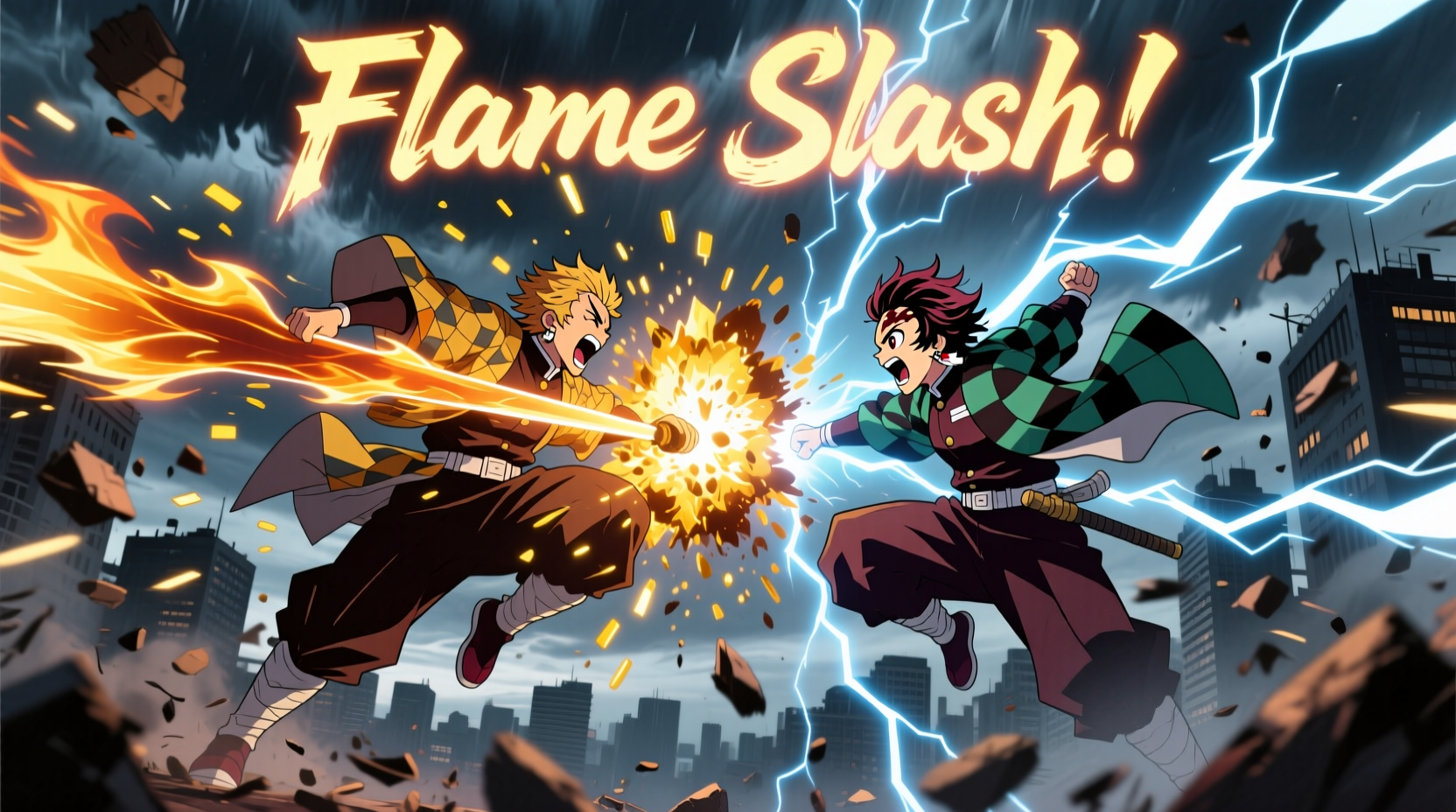
To understand the prevalence of shouted attacks, one must look beyond animation and into Japan’s martial arts traditions. In disciplines like karate, kendo, and judo, practitioners use a technique known as *kiai*—a sharp, forceful yell emitted during an attack or block. The purpose is twofold: to focus internal energy (*ki*) and to startle or intimidate the opponent.
In anime, this concept is dramatized and expanded. Attack names replace generic yells with specific phrases tied to individual techniques. Where a real-life martial artist might shout “Ha!” during a punch, an anime character bellows “Spirit Bomb!” This evolution transforms *kiai* from a physiological tool into a narrative device.
“Vocalizing a technique in anime mirrors the ritualistic nature of traditional Japanese martial arts. It’s not just about power—it’s about declaring intent.” — Dr. Kenji Tanaka, Cultural Historian of Japanese Media
This vocal declaration signals to both opponents and audiences that something significant is about to happen. It creates anticipation, builds tension, and ensures no critical moment is lost in visual noise.
Psychological and Tactical Functions in Battle
Within the logic of anime universes, shouting an attack name often plays a direct role in the effectiveness of the move. Consider these functions:
- Energy Channeling: Many series establish that techniques require precise mental focus and spiritual energy. Shouting the name acts as a verbal catalyst, helping the user concentrate and align their inner power.
- Intimidation: A loud, confident declaration can shake an opponent’s resolve. In psychological terms, it demonstrates confidence and readiness, potentially causing hesitation or fear.
- Communication: In team-based fights (e.g., *My Hero Academia*), calling out attack names allows allies to coordinate movements and avoid friendly fire.
- Ritual Reinforcement: Just as athletes use pre-shot routines, anime characters rely on verbal cues to enter a focused state. The shout becomes part of muscle memory.
While some critics argue that announcing attacks gives enemies time to react, anime often subverts this logic. The sheer speed or scale of the technique makes evasion impossible—even if the opponent knows what’s coming. In other cases, the buildup *is* the weakness, creating dramatic stakes where success hinges on whether the user can complete the chant before being interrupted.
Does Shouting Actually Affect Battle Outcomes?
The short answer: yes, but not in the way physical laws would suggest. Within the internal rules of most anime, shouting an attack name is often a prerequisite for the technique to work at full power—or to work at all.
Take Bleach, where Soul Reapers must speak the release command of their Zanpakutō to access its true form. Without saying “Bankai,” captains cannot unleash their ultimate abilities. Similarly, in Naruto, while not every jutsu requires vocalization, high-level techniques like the Rasenshuriken involve complex hand signs *and* concentration, often accompanied by verbal confirmation to ensure accuracy.
In contrast, some characters evolve beyond the need to shout. Sasuke Uchiha later performs techniques silently, signaling his growth and efficiency. This progression reinforces the idea that the shout isn’t inherently magical—it’s a training wheel for control and focus.
When Silence Speaks Louder
There are pivotal moments in anime where the absence of a shout carries greater weight than any scream. For example:
- Goku using Ultra Instinct without yelling, emphasizing instinct over intention.
- Levi Ackerman in Attack on Titan executing silent, precise kills—his efficiency contrasting with the noisy, emotional fighters around him.
- Gojo Satoru activating “Limitless” without fanfare, underscoring his overwhelming superiority.
In these cases, silence denotes mastery. The character no longer needs external validation or focus aids—they embody the technique.
Audience Engagement and Narrative Clarity
From a production standpoint, attack shouts serve essential storytelling functions. Anime battles are often fast-paced and visually chaotic. With multiple characters moving at superhuman speeds, it’s easy for viewers to lose track of what’s happening.
Shouting attack names provides clear audio cues that anchor the action. When Naruto yells “Shadow Clone Jutsu,” even casual viewers understand a key ability has been activated. This verbal labeling enhances comprehension, especially for younger audiences or those watching with subtitles.
Moreover, these phrases become cultural touchstones. Fans quote them, use them in memes, and mimic them in cosplay. The shouts transform moves from abstract animations into memorable, shareable events.
| Anime | Attack Name | Function in Story |
|---|---|---|
| Dragon Ball Z | Kamehameha | Focuses ki; requires charging and vocal initiation |
| Bleach | Bankai: Senbonzakura Kageyoshi | Mandatory release command; unleashes full power |
| My Hero Academia | Smash! | Emphasizes impact; reflects Deku’s growing confidence |
| One Piece | Gomu Gomu No… Gigant Pistol! | Builds comedic and dramatic timing; identifies rubber-powered moves |
| Yu Yu Hakusho | Spirit Gun! | Channels spiritual energy through focus and voice |
This table illustrates how attack shouts are not random—they’re integrated into the mechanics of each universe. The naming convention also helps distinguish between similar-looking energy blasts, ensuring each character’s style remains unique.
Mini Case Study: The Evolution of Ichigo Kurosaki’s Shouts
Ichigo Kurosaki from Bleach offers a compelling example of how attack vocalization evolves with a character. Early in the series, he struggles to pronounce “Bankai,” reflecting his lack of control and incomplete understanding of his powers. His shouts are raw, desperate, and often interrupted.
As he trains and matures, his commands become sharper and more confident. By the time he achieves his final Bankai form, the shout is immediate and authoritative—no hesitation, no stumbles. Later, during his fight with Yhwach, he activates Bankai silently, demonstrating that he has internalized the power rather than relying on verbal triggers.
This arc shows that shouting isn’t just about power—it’s about identity, growth, and self-mastery. The transition from loud proclamation to quiet execution marks his journey from reactive warrior to disciplined protector.
Do’s and Don’ts of Anime Attack Shouts
For aspiring creators or fans analyzing the trope, here’s a practical guide to effective use of attack calls:
| Do’s | Don’ts |
|---|---|
| Use shouts to signal turning points in battle | Overuse shouts for minor attacks |
| Make names meaningful—tie them to character or theme | Create overly long or unpronounceable names |
| Vary volume and tone based on context (anger, focus, desperation) | Repeat the same shout without evolution |
| Allow silence to contrast with noise for dramatic effect | Ignore the tactical risk of announcing moves |
| Use chants or incantations to build tension | Let villains steal hero catchphrases without consequence |
Expert Insight: The Voice Behind the Power
Japanese voice actors, or *seiyuu*, play a crucial role in selling the impact of attack shouts. The delivery must convey strain, determination, and emotion—all while maintaining clarity.
“The scream isn’t just sound—it’s physical. We train our diaphragms like athletes. A single ‘Kamehameha’ can take three breaths to perform correctly.” — Masako Nozawa, Voice of Goku (in a 2019 interview)
This behind-the-scenes effort underscores how seriously the industry treats these moments. The shout isn’t filler—it’s a performance peak requiring technical skill and emotional investment.
Frequently Asked Questions
Why don’t real fighters shout attack names?
Real combat prioritizes efficiency and stealth. Announcing moves would give away strategy. However, martial artists do use *kiai* for focus and power generation—just not named techniques.
Can shouting really make an attack stronger?
In reality, a forceful exhalation can stabilize the core and increase striking power slightly. But naming the move? That’s purely fictional symbolism. In anime logic, though, belief and focus are often treated as tangible forces—so yes, within the story, it can.
Are there anime where characters never shout their attacks?
Yes. Series like Cowboy Bebop, Ghost in the Shell, or Monster emphasize realism and subtlety. Fights are quick, silent, and grounded. The absence of attack shouts reflects a different genre ethos—less about spectacle, more about consequence.
Conclusion: The Power of Declaration
Shouting attack names in anime is far more than a quirky habit. It’s a multifaceted device that blends cultural tradition, psychological warfare, narrative clarity, and emotional resonance. Whether it’s a fiery teen screaming “Meteor Smash!” or a seasoned warrior whispering “Bankai,” the voice carries meaning.
And while it may seem absurd to outsiders, within the world of anime, these declarations matter. They mark transformation, summon courage, and unite character with audience in a shared moment of intensity. Sometimes, the act of speaking power into existence is the first step toward wielding it.




 浙公网安备
33010002000092号
浙公网安备
33010002000092号 浙B2-20120091-4
Comments
No comments yet. Why don't you start the discussion?