
Anime has long been known for its dynamic action sequences, emotional storytelling, and larger-than-life characters. One of the most recognizable traits across countless series—from *Dragon Ball* to *Naruto*, *Sailor Moon* to *My Hero Academia*—is the tendency for fighters to loudly announce their attacks before or during execution. Whether it’s “Kamehameha!” or “Rasengan!”, these vocalized moves have become synonymous with anime combat. But why do characters consistently shout their techniques instead of silently striking? On the surface, it may seem impractical or even foolish. Yet, this recurring motif is deeply rooted in tradition, storytelling technique, and cultural context.
This article unpacks the multifaceted reasons behind this signature anime behavior, examining its origins, narrative functions, psychological implications, and global influence. By understanding the layers beneath the shouting, fans gain deeper insight into how anime communicates power, emotion, and identity through voice.
The Cultural Roots: Influence from Japanese Theater and Martial Arts
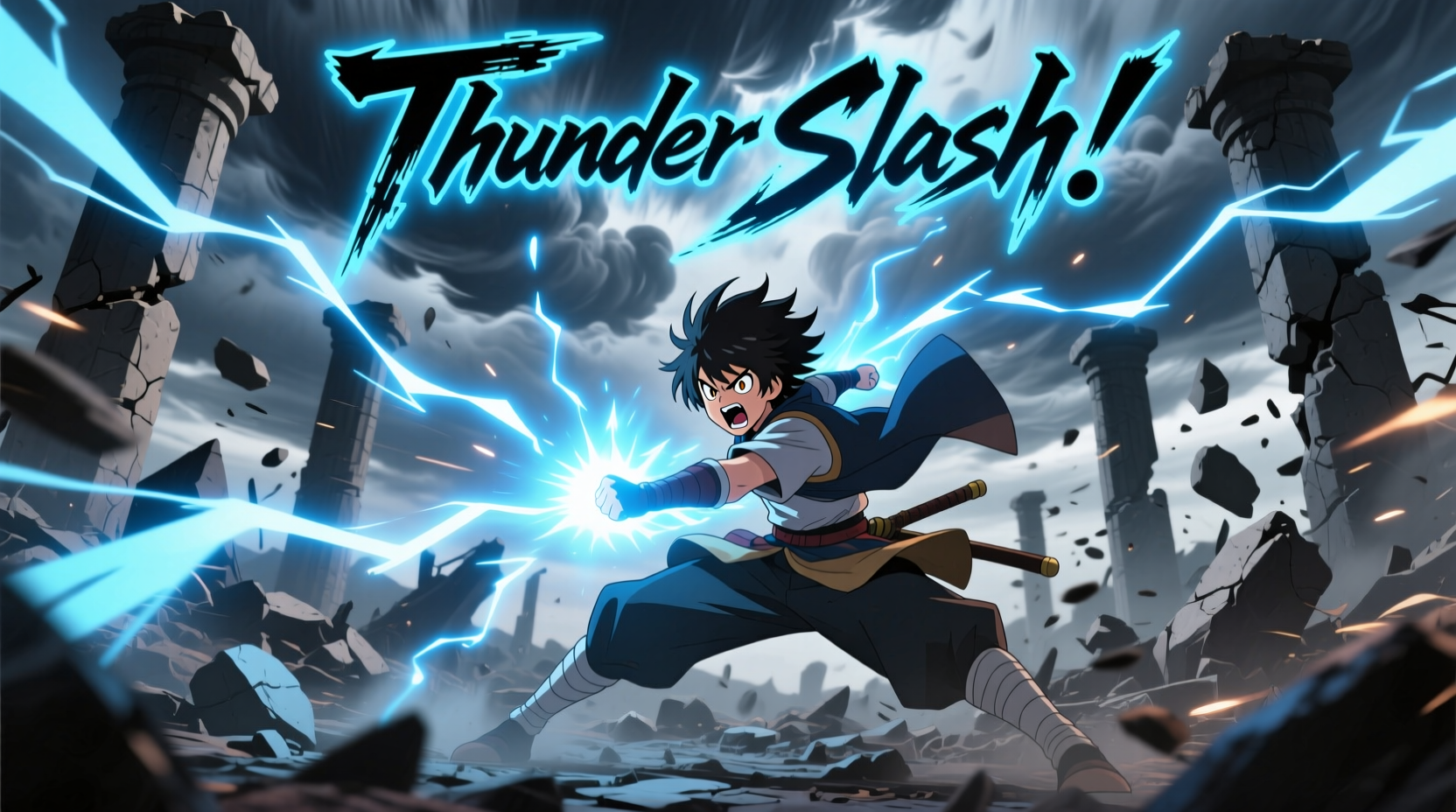
To understand why anime characters scream their attacks, one must look beyond animation and into Japan’s rich performance traditions. The practice of vocalizing actions can be traced back to classical Japanese theater forms like *kabuki* and *noh*, where actors use exaggerated gestures and vocal expressions to convey emotion and intent to audiences seated far from the stage. In these performances, volume and clarity are essential tools for communication.
Similarly, in traditional martial arts such as karate, kendo, and aikido, practitioners employ a sharp exhalation called a kiai. This isn’t merely for intimidation; it serves functional purposes: tightening the core, increasing focus, and channeling energy at the moment of impact. A well-executed kiai can improve physical performance by synchronizing breath and movement.
“In Japanese martial culture, the voice is not separate from the body—it’s part of the technique itself.” — Dr. Haruto Sato, Cultural Anthropologist specializing in East Asian performance
Anime draws heavily from these real-world practices. When a character shouts “Togame no Ken!” (Howling Wolf Fist), they aren’t just naming a move—they’re embodying a disciplined warrior ethos. The cry becomes a ritualized expression of concentration and spiritual alignment, mirroring the kiai’s role in actual combat training.
Narrative Function: Enhancing Drama and Clarity in Visual Storytelling
Beyond cultural authenticity, shouting attack names plays a crucial role in storytelling. Anime often features complex abilities that rely on supernatural energy systems—ki, chakra, magic, quirks, etc.—which are inherently invisible. Unlike live-action films where special effects can illustrate internal power, 2D animation must find alternative ways to signal intensity and progression.
Verbal declarations act as auditory cues that help viewers track what’s happening. Consider a high-speed fight scene between two ninja: without audio labels, it would be difficult to distinguish one jutsu from another. By shouting “Fire Style: Great Fireball Jutsu!”, the character provides both exposition and emphasis, allowing the audience to follow the escalation of power.
This verbal scaffolding also builds tension. The buildup to an ultimate move—complete with glowing aura, dramatic pose, and shouted incantation—creates a rhythm that amplifies emotional stakes. It transforms a simple punch into a climactic event.
Psychological and Tactical Implications: Intimidation, Focus, and Identity
While announcing your move might appear tactically unsound—giving opponents time to react—there are psychological advantages to vocalization in combat scenarios, even within fictional worlds.
- Intimidation: A loud, confident declaration can shake an opponent’s resolve. Hearing “Final Flash!” moments before a blinding energy wave hits creates fear and urgency.
- Mental Focus: Shouting helps characters enter a state of hyper-concentration. It acts as a mental trigger, aligning mind and body for peak performance.
- Energy Channeling: In many anime universes, techniques require precise control of internal energy. Vocalization may symbolize the release or direction of that force, much like chanting in magical traditions.
- Identity Reinforcement: Attack names often reflect personal philosophies or heritage. Saying “Bankai: Senbonzakura Kageyoshi” isn’t just tactical—it reaffirms who the character is and what they stand for.
In some cases, the act of naming a technique is itself a prerequisite for activation. For example, in *Bleach*, certain zanpakutō releases require spoken commands. This adds a layer of risk and consequence—if a character cannot speak, they cannot access their full power.
Real Example: Naruto Uzumaki and the Shadow Clone Jutsu
Naruto doesn’t just perform his signature move—he announces it every time: “Kage Bunshin no Jutsu!” Though he uses it hundreds of times, the repetition reinforces his growth. Early in the series, the shout carries insecurity and desperation. Later, it reflects confidence and mastery. The consistent vocalization turns a basic technique into a symbol of perseverance. Fans recognize the phrase instantly, linking sound directly to character development.
Global Perception vs. Japanese Context: Why It Works in Anime but Not Real Fights
Critics outside Japan sometimes view attack shouting as unrealistic or childish. After all, in real combat sports or military engagements, silence and unpredictability are valued. So why does this trope endure—and even thrive—in anime?
The answer lies in differing storytelling priorities. Western action media often emphasizes realism and subtlety. Anime, however, leans into stylization and symbolic expression. The genre treats battles not just as physical contests but as ideological clashes, emotional catharsis, and rites of passage.
Shouting attack names enhances theatricality, making fights more engaging for younger audiences and easier to follow across language barriers. It also fosters memorability—fans quote these lines for years, turning them into cultural touchstones.
| Aspect | Western Action Films | Japanese Anime |
|---|---|---|
| Combat Style | Stealth, realism, minimal dialogue | Expressive, dramatic, highly vocal |
| Attack Naming | Rarely named mid-fight | Frequently announced |
| Focus | Tactical efficiency | Emotional and spiritual significance |
| Audience Engagement | Suspense through uncertainty | Excitement through anticipation |
The contrast highlights a fundamental difference in narrative goals. Anime isn’t trying to simulate reality—it’s creating a mythic space where inner strength manifests outwardly, including through voice.
Evolution of the Trope: From Tradition to Parody
Over decades, the attack-shouting convention has evolved. While early shonen anime treated it seriously, modern series often play with or subvert the trope for comedic or narrative effect.
In *One Punch Man*, Saitama defeats enemies instantly without saying a word, parodying the over-the-top buildups common in other shows. His silence underscores his absurd power level and satirizes the genre’s reliance on dramatic declarations.
Conversely, Genos, his disciple, meticulously announces every attack—“Incinerate Mode: Activated!”—highlighting the contrast between form and function. Here, shouting becomes a sign of adherence to tradition rather than necessity.
Meanwhile, series like *Demon Slayer* blend tradition with innovation. Characters still shout their breathing styles (“Water Breathing, First Form!”), but the delivery feels more grounded, tied closely to choreography and visual design. The cries enhance immersion rather than distract.
Checklist: How Attack Names Serve Different Purposes in Anime
- ✅ Clarify complex techniques for the viewer
- ✅ Signal rising power levels and story progression
- ✅ Reinforce character identity and personal growth
- ✅ Create memorable catchphrases and fan engagement
- ✅ Reflect cultural roots in martial arts and performance
- ✅ Build rhythm and pacing in fight scenes
- ✅ Enable parody and genre commentary in modern works
FAQ: Common Questions About Anime Attack Shouts
Isn’t shouting your attack dumb in a real fight?
In real combat, yes—telegraphing moves reduces effectiveness. But anime isn’t bound by realism. These shouts serve narrative and emotional purposes, not tactical ones. They exist to engage the audience, not simulate actual warfare.
Do all anime characters shout their attacks?
No. More serious or mature series—like *Monster* or *Ghost in the Shell*—rarely use this trope. It’s most common in shonen (targeted at young males) and magical girl genres, where spectacle and empowerment are central themes.
Are attack names translated literally?
Often, but not always. Translators balance accuracy with marketability. “Kamehameha” remains unchanged due to its iconic status, while descriptive moves like “Gomu Gomu no Pistol” become “Rubber Pistol” for clarity. Some dubs even rephrase shouts to match lip movements, altering the original tone.
Step-by-Step: How a Typical Anime Attack Sequence Unfolds
- Build-Up: Character powers up, muscles tense, aura flares.
- Vocal Declaration: The attack name is shouted with intensity—often accompanied by a pose.
- Execution: The move is performed, usually with exaggerated motion and visual effects.
- Impact: Opponent reacts dramatically, often flying backward or engulfed in explosion.
- Reaction Shot: Onlookers express shock or admiration, reinforcing the move’s significance.
This formula repeats across genres but varies in length and seriousness. In epic confrontations, each step may take several minutes, building suspense. In comedic scenes, it might last seconds, ending in failure for laughs.
Conclusion: The Voice as a Weapon
The habit of shouting attack names in anime is far more than a quirky stereotype. It is a deliberate fusion of cultural heritage, narrative strategy, and emotional resonance. Rooted in martial tradition and amplified by theatrical storytelling, the vocalized technique transforms battle into performance—a dance of willpower, identity, and spirit made audible.
For creators, it’s a tool to guide attention and escalate drama. For viewers, it’s a gateway to immersion, allowing them to shout along with heroes in moments of triumph. And for characters, the very act of naming their power affirms their agency and growth.
So the next time you hear “Spirit Bomb… ready!”, remember: that shout isn’t a mistake. It’s a declaration—not just of attack, but of purpose.




 浙公网安备
33010002000092号
浙公网安备
33010002000092号 浙B2-20120091-4
Comments
No comments yet. Why don't you start the discussion?