
Anime figures have evolved from niche collectibles into high-value art objects, with some pieces commanding hundreds or even thousands of dollars. At first glance, a 6-inch PVC statue of a beloved character may seem overpriced—especially when compared to mass-produced toys. Yet behind every figure lies an intricate web of design, engineering, licensing, and craftsmanship that justifies its cost. Understanding why anime figures are priced the way they are requires examining not just the physical product, but the entire ecosystem of production, scale, and collector culture.
The price of an anime figure isn't arbitrary. It reflects labor-intensive sculpting, premium materials, limited availability, and the emotional value fans attach to their favorite characters. Whether you're a seasoned collector or a newcomer intrigued by the prices on display at online retailers, this article breaks down the real reasons behind the cost—focusing on scale, detail, manufacturing complexity, and market dynamics.
The Role of Scale in Figure Pricing
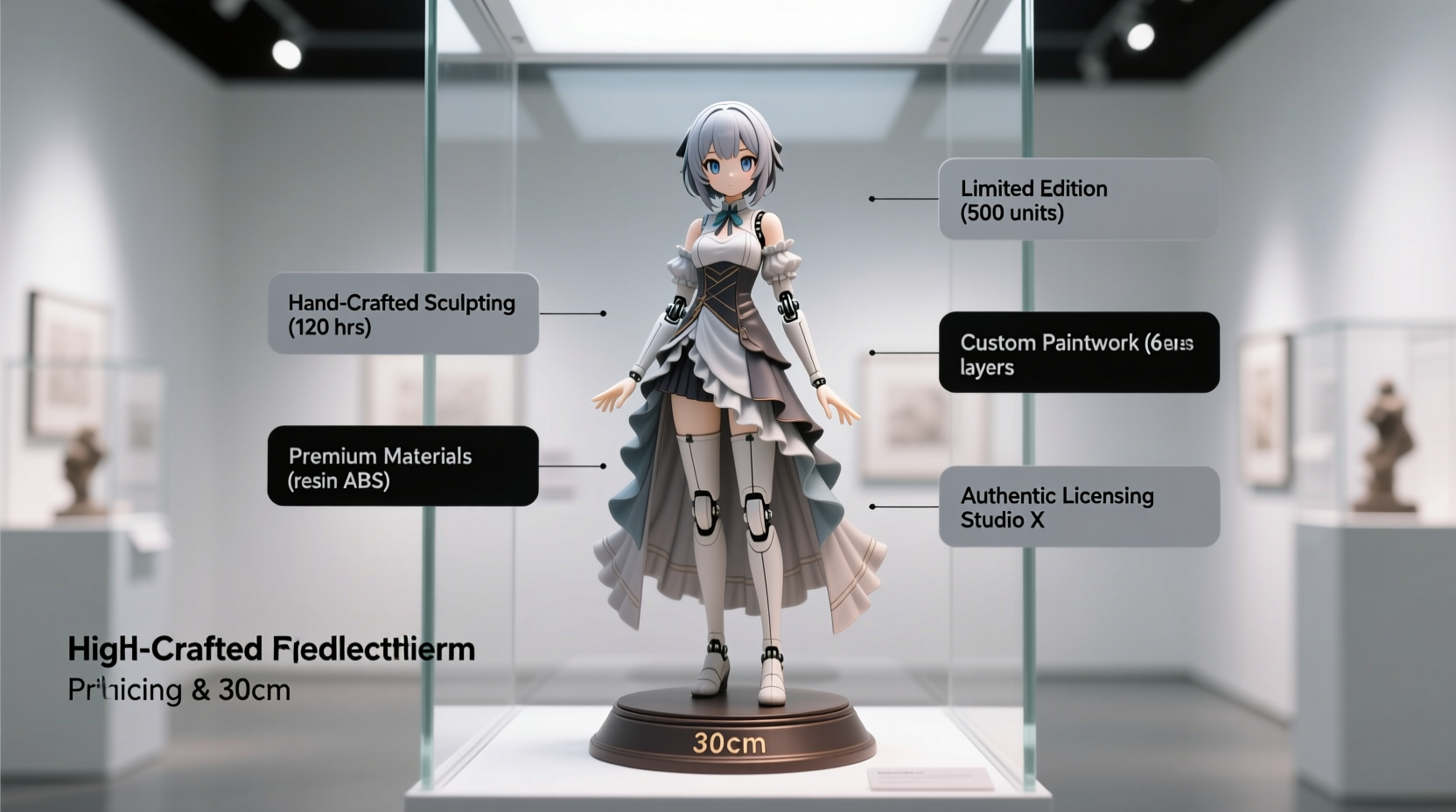
Scale is one of the most significant factors influencing the price of an anime figure. In collectible terminology, \"scale\" refers to the proportional size of the figure relative to the original character. Common scales include 1/8, 1/7, and 1/6, meaning the figure is one-eighth, one-seventh, or one-sixth the size of the actual character as imagined in the anime world.
Larger scales require more material, greater sculpting precision, and often more complex internal structures for stability. A 1/4 scale figure can stand over 30 cm (12 inches) tall, demanding significantly more PVC, paint, and packaging than a smaller 1/8 version. This directly increases manufacturing costs.
Moreover, larger figures present logistical challenges. They need reinforced bases, additional support rods inside the body, and sturdier packaging to prevent damage during shipping. These elements add both material and labor expenses.
Detail and Craftsmanship: The Hidden Labor Cost
The level of detail in modern anime figures is nothing short of astonishing. From individual strands of hair to fabric folds in clothing, from dynamic facial expressions to translucent accessories like wings or magical effects, each element is meticulously hand-sculpted and painted. This attention to detail is what transforms a simple plastic model into a piece of art.
Professional sculptors spend weeks—even months—developing a single figure. They work closely with the original anime studio to ensure accuracy in proportions, expressions, and costume design. Any deviation from canon could disappoint fans and hurt sales. Once approved, the master mold is created, which itself is a costly and time-consuming process.
Painting is another labor-intensive phase. High-end figures use multi-layer airbrush techniques to achieve gradients, shading, and metallic finishes. Some premium releases even feature hand-painted details for subtle highlights around the eyes or fingernails. These refinements are impossible to automate and must be done by skilled artisans.
“Each figure is a miniature sculpture. We treat them not as toys, but as collectible art.” — Kenji Tanaka, Lead Sculptor at Good Smile Company
Materials and Manufacturing Complexity
Anime figures are typically made from polyvinyl chloride (PVC), a durable and flexible plastic ideal for fine detailing. However, high-grade PVC suitable for detailed casting isn’t cheap. It must be free of impurities to avoid defects during molding and painting. Lower-quality plastics may warp, discolor, or crack over time, which is unacceptable for collectors paying premium prices.
Beyond the main body, many figures incorporate additional materials:
- ABS plastic for harder parts like weapons or joints
- Transparent resins for glowing effects or magical auras
- Textile fabrics for real cloth capes or ribbons
- Metal components in deluxe editions for weight and durability
These mixed materials increase production complexity. Each requires different molds, curing times, and assembly methods. A single figure might involve over 50 separate parts, all assembled by hand. One misaligned eye or poorly attached accessory can render the entire unit unsellable.
Furthermore, manufacturers must invest in high-precision injection molding machines and climate-controlled factories to maintain consistency. Dust, humidity, or temperature fluctuations can ruin batches, leading to waste and increased per-unit costs.
How Licensing and Limited Production Drive Prices
Unlike generic figurines, official anime figures require licensing agreements with Japanese studios such as Aniplex, Bandai Namco, or Toei Animation. These licenses are expensive and often come with strict quality controls. Studios want to protect their intellectual property and brand image, so they charge royalties per unit sold—sometimes up to 15–20% of the retail price.
This royalty fee is non-negotiable and applies regardless of whether the figure sells well. For smaller manufacturers, this risk makes launching new products financially daunting. As a result, only established companies with strong relationships and proven track records can secure top-tier licenses.
Additionally, many figures are released as “limited editions” or through pre-order systems like Premium Bandai. Scarcity increases perceived value and fuels demand. A figure produced in only 3,000 units worldwide will naturally command a higher price than a mass-market item.
Secondary market speculation further inflates prices. After release, rare or sold-out figures can resell for double or triple their original cost on platforms like Mandarake or eBay. This secondary demand encourages primary producers to maintain exclusivity, perpetuating the cycle of high pricing.
Breakdown of Costs: What You’re Actually Paying For
To illustrate how a $150 anime figure is priced, here’s a realistic cost distribution based on industry standards:
| Cost Component | Estimated Percentage | Description |
|---|---|---|
| Materials & Manufacturing | 35% | PVC, paints, packaging, and factory labor |
| Licensing Fees | 20% | Royalties paid to anime studios and creators |
| Sculpting & Design | 15% | Artist salaries, 3D modeling, prototype development |
| Marketing & Distribution | 15% | Photography, advertising, shipping, retailer margins |
| Profit Margin | 10% | Necessary for company sustainability and future projects |
| Overhead & Quality Control | 5% | Facility costs, inspection, returns processing |
This breakdown shows that less than half of the final price goes toward physical production. The rest supports intellectual property rights, creative talent, and global logistics—all essential to delivering a high-fidelity product.
Mini Case Study: The Fate/Grand Order Saber: Artoria Pendragon (Swimsuit Ver.)
In 2021, Alter Ego released a 1/7 scale figure of Saber from *Fate/Grand Order* in her summer swimsuit outfit. Retailing at $189, it featured translucent water effects, layered fabric draping, and individually painted facial features. Despite the price, it sold out within hours of pre-orders opening.
The reason? Fans praised the figure’s authenticity—the sculpt captured the exact pose from promotional artwork, and the paint job included subtle skin gradients and reflective water droplets. Behind the scenes, the project took six months from concept to approval, involved three sculptors, and required custom molds for the wave base.
Due to licensing restrictions, only 5,000 units were authorized globally. Within months, resellers listed it for $350+ on auction sites. This case exemplifies how scale, detail, scarcity, and emotional connection combine to justify—and even exceed—initial pricing expectations.
Tips for Smart Collecting Without Overspending
While high-end figures are impressive, building a meaningful collection doesn’t require breaking the bank. Here are practical strategies to enjoy anime figures responsibly:
- Set a budget before browsing new releases—stick to it.
- Compare retailers for import fees, taxes, and shipping costs.
- Buy past exclusive editions after they’ve been re-released.
- Inspect reviews for paint quality and articulation issues.
- Consider Nendoroids for stylized, affordable alternatives.
Frequently Asked Questions
Are anime figures worth the price?
For passionate fans, yes. Beyond aesthetics, many figures appreciate in value over time, especially limited editions. Even standard releases can become sentimental keepsakes. When you factor in the artistry and effort involved, the price often reflects fair compensation for creators and manufacturers.
Why are some figures cheaper than others?
Lower-priced figures usually sacrifice scale, detail, or materials. Chibi-style Nendoroids or Figma action figures use simpler molds and fewer paint applications. They’re designed for affordability and poseability rather than museum-level realism. Mass production also reduces per-unit costs.
Do anime studios profit directly from figure sales?
Yes. Through licensing agreements, anime studios receive royalties on every official figure sold. This revenue helps fund future seasons, merchandise, and marketing campaigns. Supporting official figures indirectly supports the continuation of your favorite series.
Conclusion: Valuing Artistry Over Price Tags
The cost of anime figures reflects far more than plastic and paint. It encompasses years of artistic training, cutting-edge technology, international collaboration, and deep respect for source material. While a $200 figure may seem steep, it represents a convergence of passion, precision, and cultural significance.
As the line between toy and art continues to blur, collectors are not just buying replicas—they’re preserving moments from stories that moved them. By understanding the true value behind the price tag, fans can make informed choices and appreciate each figure not just as an object, but as a testament to creativity and dedication.




 浙公网安备
33010002000092号
浙公网安备
33010002000092号 浙B2-20120091-4
Comments
No comments yet. Why don't you start the discussion?