
Anime figures have evolved from niche collectibles into a global phenomenon, with some pieces selling for hundreds or even thousands of dollars. To the uninitiated, these prices may seem excessive—after all, they’re often just plastic statues of fictional characters. But beneath the surface lies a complex ecosystem of materials, artistry, legal agreements, and market dynamics that justify their cost. Understanding why anime figures are priced the way they are requires examining several key factors: material quality (especially PVC), licensing rights, sculpting and paintwork craftsmanship, production scale, and collector demand.
This article breaks down the true reasons behind high figure prices, helping collectors and fans appreciate not just the aesthetic but the tangible value embedded in each piece.
The Role of High-Quality PVC in Figure Production
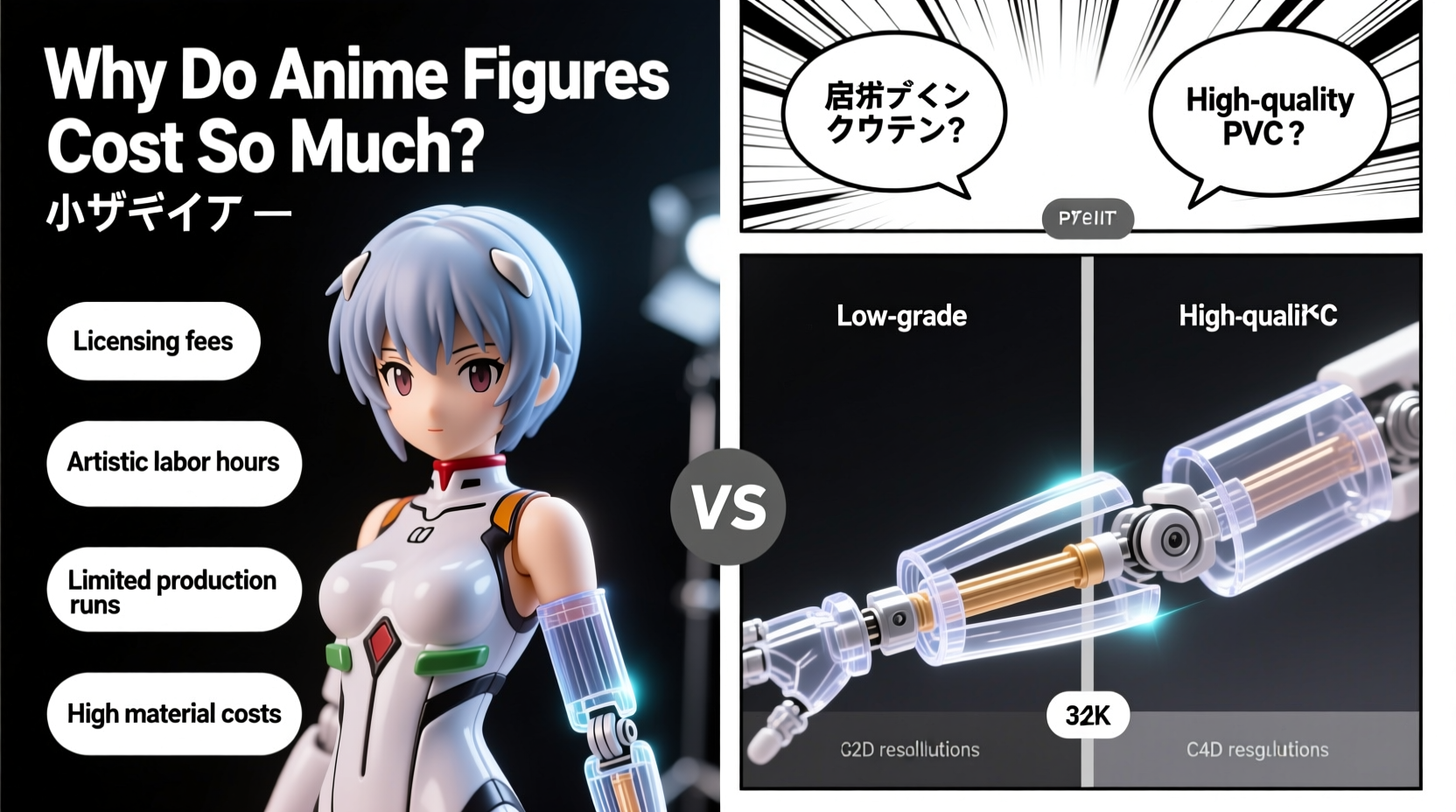
Polyvinyl chloride (PVC) is the primary material used in most premium anime figures. While PVC itself is a common and inexpensive plastic, the grade used in collectible figures is far from ordinary. Manufacturers use specially formulated, high-purity PVC that resists warping, yellowing, and brittleness over time. This ensures durability and long-term color retention—critical for items meant to be displayed for years.
The process begins with molten PVC being injected into precision-engineered molds under controlled temperatures. Even minor fluctuations can cause imperfections like air bubbles or seams, which affect both appearance and structural integrity. After cooling, each part must be hand-inspected before moving to the next stage. Inferior plastics might crack under UV exposure or degrade when handled, making high-grade PVC essential despite its higher cost.
Beyond raw material costs, shaping PVC into intricate poses demands multiple molds. A single figure may require 20 or more separate mold sets for limbs, hair strands, clothing folds, and accessories. Each mold must be machined using CNC technology or crafted by hand, adding significantly to upfront tooling expenses.
Licensing: The Hidden Cost Behind Every Official Figure
One of the largest contributors to an anime figure’s price is licensing. No legitimate figure can be produced without permission from the copyright holder—typically the anime studio, manga publisher, or character rights management company such as Aniplex, Bandai Namco, or Shueisha.
Licensing agreements involve royalty payments per unit sold, sometimes reaching 15–25% of the retail price. For popular franchises like *Demon Slayer*, *My Hero Academia*, or *Sailor Moon*, these fees are non-negotiable and closely monitored. Studios protect their intellectual property fiercely, ensuring only authorized manufacturers produce merchandise.
“Licensing isn’t just about legality—it’s about maintaining brand integrity. We work directly with studios to ensure every figure meets their standards.” — Kenji Sato, Product Manager at Good Smile Company
Smaller studios or independent sculptors who attempt unauthorized reproductions face legal action, which is why bootlegs—while cheaper—are illegal and often poorly made. Licensed production also means limited runs; rights holders may restrict quantities to preserve exclusivity or coordinate with promotional events like movie releases.
Artistic Craftsmanship: From Concept to Final Paint
A high-end anime figure is not mass-produced in the traditional sense—it’s a miniature sculpture born from meticulous artistic labor. The journey starts with concept art, often approved by original character designers. Then comes 3D modeling or clay sculpting, where artists translate 2D illustrations into three-dimensional form, capturing subtle expressions, dynamic poses, and fabric textures.
Consider a Nendoroid or scale figure from Max Factory: sculptors spend weeks perfecting details like eyelash curvature, individual strands of hair, or the drape of a cloak. Once approved, the master mold is created. But production doesn’t end there—paint application is equally critical. Many figures use multi-layer airbrush techniques, hand-painted highlights, and gloss varnishes to achieve depth and realism.
For example, a character’s eyes may undergo several stages: base coat, iris detailing, pupil shading, white reflection dots, and final clear sealant. Any misalignment ruins the lifelike expression. Quality control teams reject units with smudges, uneven coats, or dust particles trapped in paint—common causes of low yield rates in factories.
Step-by-Step Guide: How a Premium Anime Figure Is Made
- Design Approval: Collaboration between manufacturer and IP holder on character selection and pose.
- Sculpting: Digital or physical model creation, refined over several iterations.
- Mold Making: Precision metal molds cut based on final sculpture; costly and time-intensive.
- Production Run: PVC parts injection-molded, cooled, and removed from molds.
- Assembly & Painting: Parts glued together, then painted using stencils, brushes, or robots.
- Quality Inspection: Each unit checked for flaws; defective ones discarded.
- Packaging: Carefully packed with protective foam, manuals, and branded boxes.
- Distribution: Shipped globally via specialized logistics partners.
This entire pipeline can take 6–12 months from announcement to delivery. Delays due to design changes, shipping issues, or factory backlogs further increase overhead.
Supply Chain, Limited Runs, and Market Demand
Unlike consumer electronics or apparel, anime figures are often produced in limited quantities. Some editions are exclusive to events like Comiket or retailer pre-orders (e.g., AmiAmi, HobbyLink Japan). Scarcity drives up secondary market value, especially if demand exceeds supply.
Manufacturers intentionally limit production for several reasons:
- To maintain perceived exclusivity
- To reduce inventory risk on uncertain sales
- To honor contractual limits imposed by licensors
- To reward early supporters through pre-order bonuses
Secondary markets like Mandarake, Yahoo Auctions Japan, or eBay reflect this imbalance. A ¥15,000 (~$100) figure can resell for triple its original price within months if it becomes sought-after. However, scalpers and bots exacerbate shortages, pushing retail prices upward over time as companies adjust to recoup losses from unsold stock or rising material costs.
Table: Factors Influencing Anime Figure Pricing
| Factor | Impact on Price | Example |
|---|---|---|
| Licensing Fees | High | Studio Ghibli figures require strict approvals and royalties |
| PVC Quality & Molds | Medium-High | Complex molds for flying poses increase tooling costs |
| Hand Painting / Detailing | High | Fine facial features or translucent effects require skilled labor |
| Production Volume | Variable | Exclusive Comiket figures cost more due to scarcity |
| Brand Reputation | Medium | Figures from Alter or Prime 1 Studio command premium pricing |
| Accessory Count | Low-Medium | Interchangeable hands, stands, weapons add complexity |
Mini Case Study: The Rise of the Figma Fate/stay night Saber Figure
In 2018, Good Smile Company released a special edition figma of Saber from *Fate/stay night* featuring alternate armor, dynamic posing options, and a glowing Excalibur effect. Retailing at ¥18,000 (~$130), it sold out within hours of pre-orders opening.
Behind the scenes, the project took nearly two years to complete. Type-Moon, the IP holder, required approval at every stage—from initial sketches to final packaging design. The sword’s glow effect used transparent PVC with internal LED routing, requiring custom molds and electrical safety testing. Only 5,000 units were authorized for global release.
Within six months, resale prices hit ¥50,000 on Japanese auction sites. Collectors cited the combination of iconic character status, technical innovation, and limited availability as key drivers. Today, mint-condition versions fetch over $300 internationally—demonstrating how licensing, engineering, and scarcity converge to define value.
Checklist: How to Evaluate Whether a Figure Is Worth the Price
- ✅ Check if it's officially licensed (look for logos like ©TYPE-MOON, ©Eiichiro Oda/Shueisha)
- ✅ Research the manufacturer’s reputation (Good Smile, Kotobukiya, Megahouse are trusted)
- ✅ Assess sculpt detail—zoom into close-up photos of face, hair, and texture
- ✅ Look for hand-painted elements vs. basic decal printing
- ✅ Verify production quantity—if listed as “Limited Edition,” scarcity adds future value
- ✅ Compare secondary market trends for similar releases
- ✅ Consider included extras: stands, swap faces, bonus bases
Frequently Asked Questions
Why are some anime figures so expensive compared to others?
Price differences stem from licensing costs, material complexity, sculpt detail, and production volume. A simple chibi figure uses fewer molds and less paint than a 1/7-scale masterpiece with flowing fabric and light-up parts.
Are bootleg figures worth buying to save money?
No. Bootlegs typically use brittle ABS plastic, lack fine details, and feature inaccurate colors. They often break during assembly and yellow quickly. More importantly, purchasing them supports piracy and undermines creators.
Do more expensive figures hold their value better?
Generally yes—but only if they’re from reputable brands, tied to enduring franchises, and kept in pristine condition. Limited editions from major series tend to appreciate, while mass-market figures may depreciate after release.
Conclusion: Respecting the Craft Behind the Cost
The price of an anime figure reflects far more than just plastic and paint. It encompasses licensing negotiations, months of artistic development, precision manufacturing, and careful quality control. When you purchase a high-end collectible, you're investing in a convergence of pop culture, engineering, and craftsmanship—a tribute to both the original creators and the artisans who bring those visions into physical form.




 浙公网安备
33010002000092号
浙公网安备
33010002000092号 浙B2-20120091-4
Comments
No comments yet. Why don't you start the discussion?